Philodendron Tortum: Care, Light & Styling Tips
 Flora Medical GlobalPublished: 4/10/2026Updated: 6/16/202619 min read
Editorial Disclaimer: This article is for informational and educational purposes only. It is not a substitute for professional medical advice, diagnosis, or treatment. Always consult a qualified healthcare provider or certified herbalist before using any plant for medicinal purposes, especially if you are pregnant, nursing, taking medication, or have a medical condition.
01What is Philodendron Tortum?
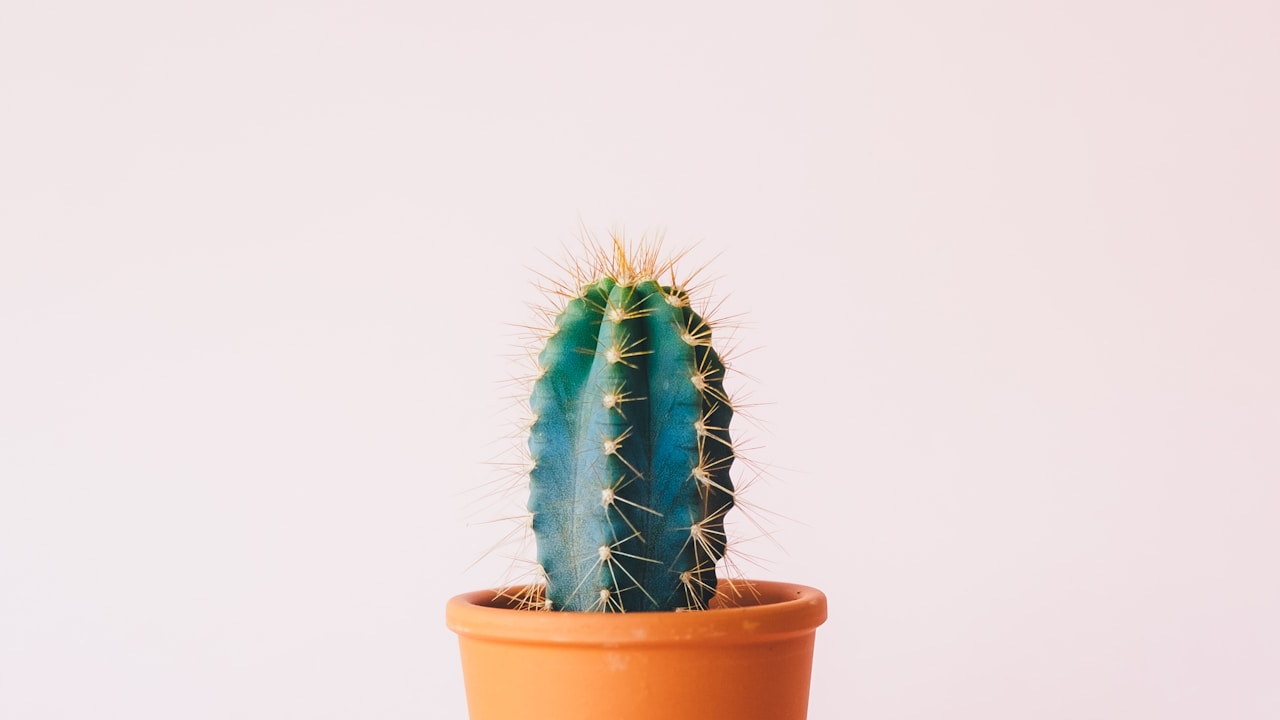
Philodendron tortum, a truly remarkable species within the expansive Araceae family, is celebrated for its exceptionally intricate and deeply lobed foliage.
A good article on Philodendron Tortum should not stop at one-line claims. Readers need taxonomy, habitat, safety, cultivation, and evidence in the same place so they can make sound decisions.
Use this guide as a practical reference, then compare it with the detailed plant profile at https://www.floramedicalglobal.com/indoor-plants/philodendron-tortum whenever you want to confirm the source page itself.
- Philodendron tortum features unique, deeply lobed, 'finger-like' leaves, making it a prized ornamental.
- Native to the tropical rainforests of South America, it exhibits a hemiepiphytic climbing growth habit.
- Requires bright, indirect light, consistent warmth, high humidity, and a well-draining, aerated substrate.
- Propagates readily from node cuttings, ideal for expanding collections or restructuring.
- All parts of the plant contain calcium oxalate crystals, rendering it toxic if ingested and causing irritation.
- Primarily cultivated for its aesthetic appeal and botanical interest, with no established medicinal uses.
02Philodendron Tortum: Taxonomy & Classification
Philodendron Tortum should be anchored to the correct taxonomic identity before any discussion of care, use, or safety begins.
| Common name | Philodendron Tortum |
|---|---|
| Scientific name | Philodendron tortumW |
| Family | Araceae |
| Order | Alismatales |
| Genus | Philodendron |
| Species epithet | tortum |
| Author citation | K.Krause |
| Common names | ফিলোডেনড্রন টর্টাম, Philodendron Tortum |
| Origin | South America (Brazil) |
Using the accepted scientific name Philodendron tortum helps readers avoid confusion caused by old synonyms, loose common names, or inconsistent plant labels.
Family and order placement also matter because they explain recurring structural traits, likely relatives, and the kinds of mistakes readers often make when they rely on appearance alone.
Correct naming is not a small detail. A plant can collect multiple common names, outdated synonyms, and marketing labels over time, so using Philodendron tortum consistently reduces the risk of confusion, bad care advice, and even safety mistakes.
03Philodendron Tortum: Physical Characteristics
A practical reading of the plant starts with visible structure:
- Leaf: Deeply lobed and highly fenestrated, appearing almost skeletal or corkscrew-like. Each lobe is long and narrow, radiating from a central vein. Dark.
- Stem: Climbing, vining stems that can produce aerial roots for attachment and nutrient absorption. Stems are typically green to reddish-brown, depending.
- Root: Fibrous root system for nutrient and water uptake from the soil, complemented by aerial roots for climbing and moisture absorption from the air.
- Flower: Inconspicuous spathe and spadix inflorescence, typical of Araceae family, rarely seen in indoor cultivation.
- Fruit: Not typically produced indoors.
- Seed: Not applicable for indoor cultivation.
Microscopic or internal identification notes deepen the picture, especially for processed material: While leaves are generally glabrous, stems may exhibit sparse, non-glandular trichomes, contributing to a slightly tomentose texture as noted in its. Stomata are commonly paracytic or anomocytic, located predominantly on the abaxial (underside) leaf surface, facilitating gas exchange. Powdered plant material would show abundant calcium oxalate raphides, parenchyma cells, spiral and scalariform vessels, and potentially starch grains.
04Philodendron Tortum: Habitat & Distribution
The native or historically recorded center of distribution for Philodendron Tortum is South America (Brazil). That origin is more than background trivia; it explains how the plant responds to heat, moisture, shade, and seasonal change.
Environmental notes in the live record add more context: Requires consistent bright indirect light. High humidity (60-80%) is crucial; use a humidifier, pebble tray, or place in a terrarium. Maintain warm temperatures between 18-29°C (65-85°F). Good air circulation is important but avoid cold drafts. Provide a moss pole or coir pole for climbing.
In cultivation terms, the main ecological clues are: Bright Indirect Light; Allow the top 1-2 inches of soil to dry out between waterings. Typically every 7-10 days, adjust for environmental conditions. Well-draining, airy, and moisture-retentive potting mix with a pH of 6.0-7.0. A good mix includes orchid bark, perlite, coco coir, and worm castings.
Physiology data reinforce the habitat story: Sensitive to drought stress, low humidity, and cold temperatures, leading to leaf yellowing, wilting, and stunted growth if conditions are suboptimal. Exhibits C3 photosynthesis, the most common photosynthetic pathway in plants, optimized for its tropical rainforest understory habitat. Displays moderate to high transpiration rates, consistent with its need for high humidity and consistent moisture in its native tropical environment.
05Philodendron Tortum in Tradition & Culture
As a relatively recently discovered and cultivated species for indoor environments, Philodendron tortum does not have extensive traditional cultural or historical significance like some older, widely distributed plants. However, within the contemporary plant enthusiast community, it holds high cultural significance as a prized collector's plant, symbolizing rarity, sophistication, and a commitment to botanical.
Explore Our Platforms
 InfiniCore DataWorks
 Nex-Automata
Traditional context matters, but it should always be separated from modern certainty. Historical use can guide questions, yet it does not automatically prove present-day clinical effectiveness.
Cultural context gives the article depth that pure care instructions cannot provide. Plants like Philodendron Tortum are often remembered through naming traditions, household practice, healing systems, foodways, ornamental use, ritual value, or local ecological knowledge.
At the same time, cultural value should be handled responsibly. Traditional respect for a plant does not automatically prove every modern claim, and a modern study does not erase the meaning the plant has held in communities over time. Both sides belong in a careful guide.
06Philodendron Tortum Health Benefits
The main benefit themes associated with the plant include: Philodendron tortum is primarily recognized for its ornamental value rather than established medicinal uses in traditional or modern herbalism. However, based.:
- Antioxidant Potential — Many plants, including aroids, contain phenolic compounds and flavonoids that exhibit antioxidant activity, which could help.
- Anti-inflammatory Properties — Certain plant compounds, such as some flavonoids or alkaloids potentially present in Philodendron species, are known for their.
- Aesthetic and Psychological Well-being — As a houseplant, its unique beauty contributes to biophilic design, potentially reducing stress, improving mood, and. Air Purification (Hypothetical) — While not specifically studied for Philodendron tortum, many houseplants are known to improve indoor air quality by. Traditional Topical Use (General Araceae) — Some members of the Araceae family have been traditionally used externally for skin conditions due to irritant or.
- Botanical Research Subject — Its unique morphology and hemiepiphytic growth make it a valuable subject for botanical, ecological, and horticultural research.
- Source of Novel Compounds — Like many unexplored tropical plants, Philodendron tortum could potentially contain novel secondary metabolites with.
The evidence matrix gives a more careful picture of those claims: High Ornamental Value. Horticultural Surveys and Market Demand. Empirical Observation. Widely cultivated and highly prized by plant enthusiasts for its unique, deeply lobed foliage. Presence of Calcium Oxalate Toxicity. Phytochemical Analysis and Poison Control Reports. Chemical Analysis and Case Studies. All parts of the plant contain insoluble calcium oxalate crystals, causing oral and gastrointestinal irritation upon ingestion. Adaptation to Rainforest Understory. Field Research and Morphological Analysis. Ecological Observation and Botanical Study. Its hemiepiphytic nature and deeply dissected leaves are adaptations for light capture and water management in dense tropical canopies.
The stored evidence confidence for this profile is traditional. That should shape how strongly any benefit statement is interpreted.
For non-medicinal or mostly ornamental contexts, the safest approach is to keep the claims modest. A plant may still be valuable ecologically, visually, or culturally without being promoted as a treatment.
- Philodendron tortum is primarily recognized for its ornamental value rather than established medicinal uses in traditional or modern herbalism. However, based.
- Antioxidant Potential — Many plants, including aroids, contain phenolic compounds and flavonoids that exhibit antioxidant activity, which could help.
- Anti-inflammatory Properties — Certain plant compounds, such as some flavonoids or alkaloids potentially present in Philodendron species, are known for their.
- Aesthetic and Psychological Well-being — As a houseplant, its unique beauty contributes to biophilic design, potentially reducing stress, improving mood, and.
- Air Purification (Hypothetical) — While not specifically studied for Philodendron tortum, many houseplants are known to improve indoor air quality by.
- Traditional Topical Use (General Araceae) — Some members of the Araceae family have been traditionally used externally for skin conditions due to irritant or.
- Botanical Research Subject — Its unique morphology and hemiepiphytic growth make it a valuable subject for botanical, ecological, and horticultural research.
- Source of Novel Compounds — Like many unexplored tropical plants, Philodendron tortum could potentially contain novel secondary metabolites with.
07Philodendron Tortum: Chemical Constituents
The broader constituent profile includes While specific phytochemical analyses for Philodendron tortum are limited, members of the Philodendron genus and the.:
- Calcium Oxalate — Present as insoluble raphides (needle-like crystals) in all plant tissues, primarily serving as a.
- Flavonoids — A diverse group of polyphenolic compounds found in many plants, known for their antioxidant.
- Alkaloids — Nitrogen-containing organic compounds, often with potent physiological effects, present in trace amounts.
- Saponins — Glycosides that produce a frothing action, known for their detergent-like properties and potential for.
- Phenolic Acids — Simple phenolic compounds that contribute to antioxidant capacity and plant defense, found in varying.
- Triterpenoids — A class of natural products derived from a 30-carbon precursor, often found in plant resins and waxes.
- Steroids — Plant sterols are common constituents, playing roles in membrane structure and signaling within the plant.
- Glycosides — Various types of glycosides, beyond saponins, may be present, where a sugar molecule is bonded to a.
The detailed phytochemistry file adds these markers: Calcium Oxalate, Inorganic Salt, All Tissues (leaves, stems, roots), High% Dry Weight; Flavonoids, Polyphenols, Leaves, Stems, Variablemg/g; Alkaloids, Nitrogenous Compounds, Stems, Roots, Traceµg/g; Saponins, Glycosides, Roots, Stems, Lowmg/g; Phenolic Acids, Polyphenols, Leaves, Variablemg/g.
Compound profiles also shift with plant part, age, season, processing, and storage. The chemistry of a fresh leaf, dried root, or concentrated extract should never be treated as automatically identical.
08How to Use Philodendron Tortum
Recorded preparation and use methods include Philodendron tortum is primarily cultivated as an ornamental plant and is not recognized for internal medicinal use due to its toxicity. Its 'usage' is predominantly. Indoor Specimen Plant — Cultivated in homes, offices, and botanical gardens for its striking, unique foliage as a decorative element. Terrarium or Vivariums — Its tropical nature and climbing habit make it suitable for large, enclosed terrariums or vivariums that replicate rainforest conditions. Botanical Study — Used by botanists and horticulturists for studying Araceae morphology, growth habits, and adaptation to tropical environments. Air Plant Display (with support) — Can be trained to climb moss poles or trellises, showcasing its vining nature and encouraging larger leaf development. Aesthetic Enhancement — Integrated into interior design schemes to add a touch of exotic, natural beauty and biophilic appeal to living spaces. Propagation for Collection — Cuttings are routinely taken to propagate new plants, expand collections, or share with other plant enthusiasts. Educational Material — Serves as an excellent example in educational settings to demonstrate plant adaptations, taxonomy, and plant care principles.
For indoor readers, “how to use” usually means how the plant is placed, styled, handled, propagated, and maintained within the living space rather than how it is taken internally.
- Identify the exact species and plant part first.
- Match the preparation to the intended use.
- Check safety, interactions, and processing details before routine use or large-scale handling.
09Is Philodendron Tortum Safe? Precautions & Cautions
The first safety note is direct: • Toxic to humans: Yes, if ingested. • Toxic to cats: Yes, if ingested. • Toxic to dogs: Yes, if ingested. • Toxic parts: All parts of the plant, especially leaves and stems, contain insoluble calcium oxalates. •.
Specific warnings recorded for this plant include:
- Do Not Ingest — Philodendron tortum is toxic if consumed and is not safe for internal use by humans or animals.
- Keep Out of Reach — Always place plants in locations inaccessible to children and pets to prevent accidental ingestion.
- Handle with Care — Wear gloves when handling the plant, especially if you have sensitive skin, to avoid potential contact dermatitis from the sap.
- Wash Hands Thoroughly — After handling the plant, wash hands with soap and water to remove any residual sap or irritants.
- Emergency Protocol — In case of accidental ingestion or severe contact, immediately seek medical attention or contact a poison control center.
- Ornamental Use Only — Strictly maintain Philodendron tortum as an ornamental plant; it has no recognized medicinal or edible applications.
- Avoid Eye Contact — Prevent sap from coming into contact with eyes; if it occurs, flush thoroughly with water and seek medical advice.
- Oral Irritation — Ingestion of any part of Philodendron tortum can cause severe irritation to the mouth, throat, and digestive tract due to calcium oxalate.
Quality-control notes add another warning: Low risk of adulteration in medicinal contexts due to its ornamental primary use; however, misidentification with other Philodendron species is possible in horticulture.
No plant should be described as universally safe. Identity, dose, plant part, preparation style, age, pregnancy status, medication use, allergies, and contamination risk all change the answer.
10Growing Philodendron Tortum Successfully
The cultivation record emphasizes these practical steps:
- Light — Provide bright, indirect light; ideally 200-400 FC (40-80 µmol/s/m²) for 12 hours daily, or up to 800 FC (160 µmol/s/m²) for more vigorous growth, avoiding direct sun for extended periods.
- Watering — Water thoroughly when the top half of the substrate feels dry, ensuring complete saturation and allowing excess water to drain away to prevent root rot.
- Substrate — Use a well-aerated, porous potting mix, typically a blend of coco coir or peat moss, perlite, and bark chips (e.g., 3 parts potting mix to 1 part bark) to.
- Humidity — Thrives in high humidity (60-80%), mimicking its rainforest habitat; consider a humidifier, pebble tray, or grouping with other plants.
- Fertilizing — During the growing season, apply a high-nitrogen fertilizer (e.g., 3-1-2 ratio) with every watering at a diluted strength to support lush foliage growth.
- Temperature — Maintain warm temperatures, ideally between 18-29°C (65-85°F), protecting from cold drafts and sudden temperature fluctuations.
The broader growth environment is described like this: Requires consistent bright indirect light. High humidity (60-80%) is crucial; use a humidifier, pebble tray, or place in a terrarium. Maintain warm temperatures between 18-29°C (65-85°F). Good air circulation is important but avoid cold drafts. Provide a moss pole or coir pole for climbing.
Planning becomes easier when these traits are kept in view: Moderate; Intermediate.
In practice, healthy cultivation comes from systems thinking rather than one-off tricks. Site choice, drainage, timing, spacing, pruning, feeding, and observation all reinforce one another.
11Caring for Philodendron Tortum: Light, Water & Soil
The most useful care snapshot is this: Light: Bright Indirect Light; Water: Allow the top 1-2 inches of soil to dry out between waterings. Typically every 7-10 days, adjust for environmental conditions. Soil: Well-draining, airy, and moisture-retentive potting mix with a pH of 6.0-7.0. A good mix includes orchid bark, perlite, coco coir, and worm castings. Humidity: High (60-80%); Temperature: 18-29°C (65-85°F).
Container details matter too: Plastic or glazed ceramic pot with ample drainage holes. A 6-8 inch pot is suitable for a young to semi-mature plant, transitioning to larger sizes as it. Every 1-2 years, or when the plant becomes root-bound, growth slows significantly, or water drains too quickly. Signs include roots circling the drainage.
Indoors, the plant responds to microclimate more than many people expect. Window direction, airflow, heating, and room humidity can change the care rhythm quickly.
| Light | Bright Indirect Light |
|---|---|
| Water | Allow the top 1-2 inches of soil to dry out between waterings. Typically every 7-10 days, adjust for environmental conditions. |
| Soil | Well-draining, airy, and moisture-retentive potting mix with a pH of 6.0-7.0. A good mix includes orchid bark, perlite, coco coir, and worm castings. |
| Humidity | High (60-80%) |
| Temperature | 18-29°C (65-85°F) |
12How to Propagate Philodendron Tortum
Documented propagation routes include Stem Cuttings: Cut a stem section with at least two nodes (one for roots, one for leaves). Place in water, moist sphagnum moss, or a perlite/soil mix. Air Layering: Identify a node on an established stem, wound it slightly, apply rooting hormone, and wrap with moist sphagnum moss covered in plastic film.
Propagation works best when the parent stock is healthy, correctly identified, and handled in the right season. That sounds obvious, but it is exactly where many failures begin.
- Stem Cuttings: Cut a stem section with at least two nodes (one for roots, one for leaves). Place in water, moist sphagnum moss, or a perlite/soil mix.
- Air Layering: Identify a node on an established stem, wound it slightly, apply rooting hormone, and wrap with moist sphagnum moss covered in plastic film.
Propagation works best when the reader matches method to biology. Some plants respond readily to cuttings, some to division, some to seed, and others require more patience or more exact seasonal timing.
13Managing Philodendron Tortum Problems
The recorded problem list includes Yellowing leaves: Often caused by overwatering or nutrient deficiency. Check soil moisture and feeding schedule. Brown, crispy leaf edges: Indicates low humidity or underwatering. Increase humidity and check watering frequency. Stunted growth: Could be due to insufficient light, lack of nutrients, or the need for repotting. Assess light. Pests (Spider Mites, Mealybugs): Inspect regularly; treat with neem oil or insecticidal soap if found. Wilting: Can be from both overwatering (root rot) or severe underwatering. Assess soil moisture carefully. Lack of fenestrations/Smaller leaves: Common when the plant doesn't have adequate light, humidity, or a climbing.
Indoor problems usually start quietly: mites, mealybugs, scale, root stress, weak light, or stale soil structure. Routine inspection is what keeps small issues from becoming full infestations.
The smartest response sequence is observation first, environmental correction second, and treatment only after the real pattern is clear.
- Yellowing leaves: Often caused by overwatering or nutrient deficiency. Check soil moisture and feeding schedule.
- Brown, crispy leaf edges: Indicates low humidity or underwatering. Increase humidity and check watering frequency.
- Stunted growth: Could be due to insufficient light, lack of nutrients, or the need for repotting. Assess light.
- Pests (Spider Mites, Mealybugs): Inspect regularly
- Treat with neem oil or insecticidal soap if found.
- Wilting: Can be from both overwatering (root rot) or severe underwatering. Assess soil moisture carefully.
- Lack of fenestrations/Smaller leaves: Common when the plant doesn't have adequate light, humidity, or a climbing.
14Philodendron Tortum: Harvest, Storage & Processing
Storage guidance from the quality-control record reads as follows: Not applicable for dried medicinal storage; as a living plant, stability is maintained through proper environmental conditions (light, humidity, temperature).
For indoor plants, this section often translates into trimming, leaf cleanup, offset collection, occasional flower removal, and safe handling of spent growth.
Whatever the purpose, the rule is the same: harvest clean material, label it clearly, and store it in a way that preserves identity and condition.
Harvest and storage determine whether a plant's quality is preserved after it leaves the bed, pot, field, or wild source. Clean timing, correct plant part selection, and careful drying or handling all matter more than many readers expect.
For Philodendron Tortum, this means the reader should think beyond collection. Material that is poorly labeled, overheated, damp in storage, or mixed with the wrong part of the plant can quickly lose value or create confusion later.
15Companion Plants for Philodendron Tortum
Useful companions or placement partners include Monstera deliciosa; Alocasia amazonica; Syngonium podophyllum; Anthurium clarinervium.
In indoor styling, Philodendron Tortum usually works best beside plants that share similar moisture expectations but offer contrast in texture, height, or silhouette.
Companion planting and design are not only aesthetic decisions. They affect airflow, root competition, moisture sharing, harvest access, visibility, and the general logic of the planting scheme.
With Philodendron Tortum, good placement means thinking about mature size, maintenance rhythm, and how neighboring plants change the feel and function of the space. A plant can be healthy on its own and still be poorly placed within the broader composition.
That is why the best design advice combines biology with usability. The planting should look coherent, but it should also make watering, pruning, harvest, and pest observation easier rather than harder.
16Philodendron Tortum: Scientific Evidence
The evidence matrix points to several recurring themes: High Ornamental Value. Horticultural Surveys and Market Demand. Empirical Observation. Widely cultivated and highly prized by plant enthusiasts for its unique, deeply lobed foliage. Presence of Calcium Oxalate Toxicity. Phytochemical Analysis and Poison Control Reports. Chemical Analysis and Case Studies. All parts of the plant contain insoluble calcium oxalate crystals, causing oral and gastrointestinal irritation upon ingestion. Adaptation to Rainforest Understory. Field Research and Morphological Analysis. Ecological Observation and Botanical Study. Its hemiepiphytic nature and deeply dissected leaves are adaptations for light capture and water management in dense tropical canopies.
Analytical testing notes also strengthen the evidence base: Macroscopic identification of unique leaf morphology, microscopic examination for raphides, and genetic sequencing for species confirmation.
A careful evidence section should say what is known, what is plausible, and what remains uncertain. Readers are better served by clear limits than by exaggerated confidence.
Evidence note: this section blends the live plant record, local ethnobotanical activity data, chemistry records, and the linked Flora Medical Global plant profile for Philodendron Tortum.
17Philodendron Tortum Buying Guide
Quality markers worth checking include Calcium oxalate raphides are key microscopic markers for identification, alongside specific flavonoid profiles if quantified.
Adulteration and substitution risk should not be ignored: Low risk of adulteration in medicinal contexts due to its ornamental primary use; however, misidentification with other Philodendron species is possible in horticulture.
When buying Philodendron Tortum, start with verified botanical identity. The label, scientific name, and the source page should agree before you judge price, size, or claimed benefits.
For living plants, inspect roots, stem firmness, foliage health, and early pest signs. For dried or processed material, look for batch clarity, clean aroma, absence of mold, and any sign that the product has been over-processed to disguise poor quality.
Buying advice should begin with identity. The label, scientific name, visible condition, and seller credibility should agree before price or convenience becomes the deciding factor.
18Philodendron Tortum FAQ
What is Philodendron Tortum best known for?
Philodendron tortum, a truly remarkable species within the expansive Araceae family, is celebrated for its exceptionally intricate and deeply lobed foliage.
Is Philodendron Tortum beginner-friendly?
That depends on the growing environment and the intended use. Some plants are easy to grow but not simple to use medicinally, while others are the opposite.
How much light does Philodendron Tortum need?
Bright Indirect Light
How often should Philodendron Tortum be watered?
Allow the top 1-2 inches of soil to dry out between waterings. Typically every 7-10 days, adjust for environmental conditions.
Can Philodendron Tortum be propagated at home?
Yes, but the best method depends on whether the species responds best to seed, cuttings, division, offsets, or other propagation routes.
Does Philodendron Tortum have safety concerns?
• Toxic to humans: Yes, if ingested. • Toxic to cats: Yes, if ingested. • Toxic to dogs: Yes, if ingested. • Toxic parts: All parts of the plant, especially leaves and stems, contain insoluble calcium oxalates. •.
What is the biggest mistake people make with Philodendron Tortum?
The most common mistake is applying generic advice instead of matching the plant to its real environment, identity, and limits.
Where can I verify more information about Philodendron Tortum?
Start with the Flora Medical Global plant profile: https://www.floramedicalglobal.com/indoor-plants/philodendron-tortum
Why do sources sometimes disagree about Philodendron Tortum?
Different references may use different synonyms, plant parts, cultivation conditions, or evidence standards. That is why taxonomy and source quality both matter.
19Philodendron Tortum: Scientific References
Authoritative sources and related guides:
- Wikipedia — background reference
- PubMed — peer-reviewed studies
- Kew POWO — botanical reference
- NCBI PMC — open-access research
- WHO — global health authority
Related on Flora Medical Global
Reviewed by the Flora Medical Global Botanical Review Panel
Multi-disciplinary editorial group · Botany · Ethnobotany · Herbal-medicine literature
Who reviewed this: This page was checked by the Flora Medical Global Botanical Review Panel — an in-house editorial group of botany graduates, ethnobotany researchers, and horticulture practitioners who collectively maintain our 7,000+ plant encyclopedia. Meet the team.
Our 4-step verification process
1. Taxonomic verification
Scientific names and synonyms cross-checked against Kew POWO, World Flora Online, and The Plant List.
2. Phytochemical & medicinal cross-reference
Active compounds, traditional uses, and reported activities are cross-referenced with PubMed, USDA Dr. Duke's database, and peer-reviewed ethnobotanical literature.
3. Conservation & distribution check
Distribution, ecology, and conservation status confirmed against GBIF occurrence records and the IUCN Red List.
4. Editorial & safety review
Every entry passes an editorial pass for clarity, originality, and safety notices (toxicity, contraindications, dosage caveats) before publication.
Last reviewed:
Explore Our Platforms
Comments (0)
No comments yet. Be the first!