The Complete Summer Plant Care Guide 2026: Protect Gardens & Houseplants from Extreme Heat
 Flora Medical GlobalPublished: 2/25/2026Updated: 6/16/202628 min read
Editorial Disclaimer: This article is for informational and educational purposes only. It is not a substitute for professional medical advice, diagnosis, or treatment. Always consult a qualified healthcare provider or certified herbalist before using any plant for medicinal purposes, especially if you are pregnant, nursing, taking medication, or have a medical condition.
01Understanding the Summer Threat: How Heat Stress Impacts Plants
Heat stress on plants manifests in various detrimental ways, profoundly impacting their physiological processes and overall health by disrupting cellular functions and metabolic pathways vital for survival and growth. Before we dive into solutions, it's crucial to understand the primary adversaries your plants face during summer.The Physiological Impact of High Temperatures and Drought
High temperatures and drought conditions trigger a cascade of detrimental physiological responses in plants. Here's how:- Increased Transpiration: Plants primarily lose water vapor through their leaves via transpiration, a process that accelerates dramatically in hot, dry, and windy conditions. If water isn't replenished quickly enough from the soil, the plant dehydrates rapidly, leading to wilting as turgor pressure decreases. Studies show that transpiration rates can more than double when temperatures rise from 25°C to 35°C in certain species, exacerbating water deficits [Source: Journal of Plant Physiology, 2023].
- Protein Denaturation: Extreme heat can damage vital proteins within plant cells, causing them to unfold and lose their functional structure—a process known as denaturation. This disrupts enzyme activity and critical metabolic functions, including photosynthesis and respiration, leading to cellular damage and death.
- Photosynthesis Inhibition: While plants need sunlight for photosynthesis, excessive heat can actually inhibit this crucial process. High temperatures stress the photosynthetic machinery (especially Photosystem II), reducing the efficiency of light energy conversion. Stomatal closure, a plant's defense mechanism against water loss, also limits carbon dioxide uptake, further impairing photosynthesis. Research indicates that for many temperate plants, optimal photosynthesis occurs between 20-30°C, with significant declines above 35°C for C3 plants like tomatoes and beans [Source: Plant, Cell & Environment, 2022].
- Oxidative Stress: Heat stress increases the production of reactive oxygen species (ROS) within plant cells, leading to oxidative damage to lipids, proteins, and DNA. Plants possess antioxidant defense systems, but prolonged or severe heat can overwhelm these mechanisms, causing cellular injury.
- Nutrient Uptake Disruption: High soil temperatures can impair root function, reducing the plant's ability to absorb water and essential nutrients. Nutrient mobility within the plant can also be affected, leading to deficiencies even if nutrients are present in the soil.
- Reproductive Failure: The most sensitive stages of plant development to heat stress are often flowering and fruit set. High temperatures can cause pollen sterility, reduce pollen viability, and impair fertilization, leading to reduced fruit or seed yield. For example, bell peppers (Capsicum annuum) are notorious for dropping flowers and not setting fruit when temperatures consistently exceed 30°C [Source: HortScience, 2021].
Identifying Heat Stress Symptoms
Recognizing the signs of heat stress early is crucial for intervention. Here's what to look for:- Wilting: The most common and immediate sign, as leaves droop due to loss of turgor pressure. This can be temporary (reversible) or permanent.
- Leaf Scorch or Burn: Brown, crispy edges or spots on leaves, especially those exposed directly to the sun. This is cell damage from excessive heat and UV radiation.
- Yellowing or Browning Leaves: Older leaves may turn yellow and eventually brown, often dropping prematurely as the plant conserves resources.
- Stunted Growth: Overall plant growth slows or stops as energy is diverted to stress response rather than development.
- Flower Drop or Bud Abortion: Plants may drop flowers or developing buds to conserve energy, preventing fruit or seed production.
- Foliage Discoloration: Some plants might develop a reddish or purplish tint as they produce protective pigments like anthocyanins.
- Changes in Leaf Orientation: Some plants, like soybeans (Glycine max), exhibit "paraheliotropism," where leaves orient themselves parallel to the sun's rays to minimize direct exposure and reduce heat load [Source: Botanical Journal of the Linnean Society, 2019].
02Mastering Summer Watering: The Cornerstone of Plant Survival
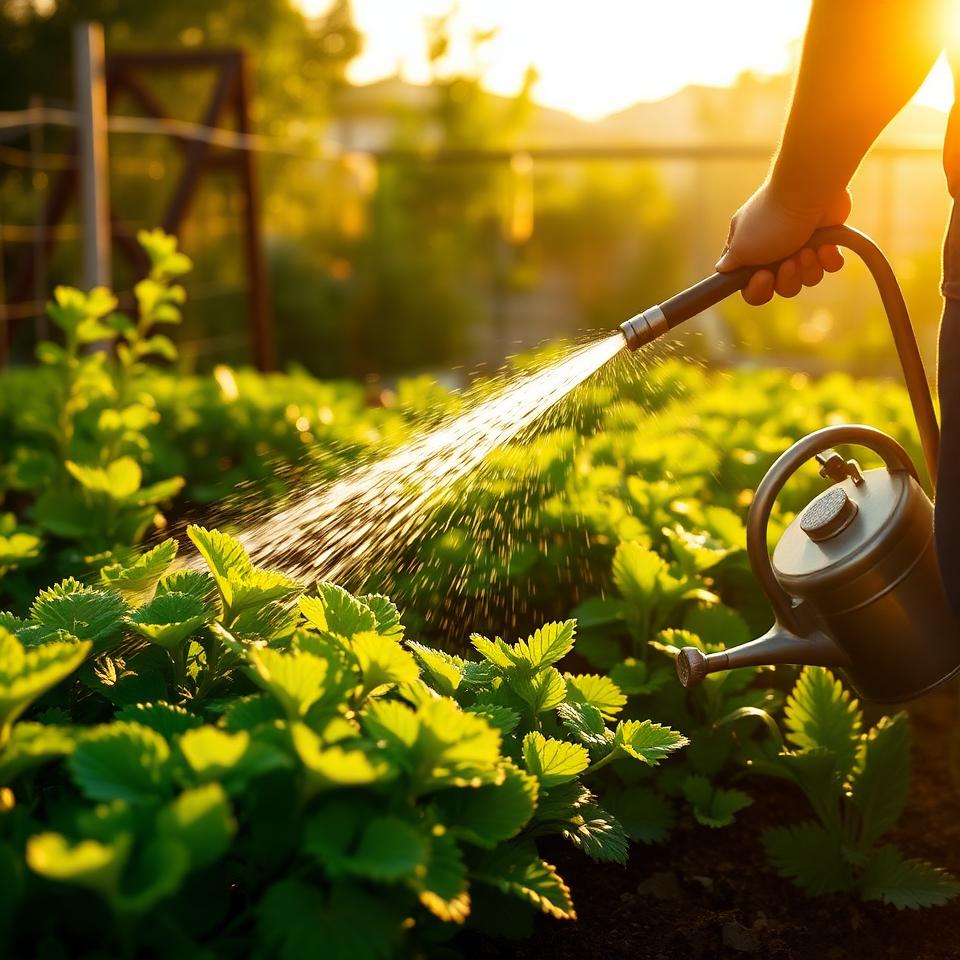
Effective watering is the single most critical factor in protecting plants from summer heat, providing essential hydration and helping to regulate plant temperature through evaporative cooling. Proper technique ensures water reaches the root zone efficiently, minimizing waste and maximizing plant uptake.When to Water: Timing is Everything
The optimal time to water your plants during summer is early morning. Watering before the heat of the day allows the soil to absorb moisture thoroughly before significant evaporation occurs, ensuring roots have ample time to take up water.- Early Morning (4 AM - 8 AM): This is ideal. The air is cooler, winds are typically calmer, and the water has time to penetrate deeply into the soil before the sun's intensity increases. This reduces water loss to evaporation and allows foliage to dry before nightfall, minimizing fungal disease risk.
- Late Evening (6 PM - 9 PM): A secondary option, but less preferred for some plants. While evaporation is low, leaving foliage wet overnight can create conditions conducive to fungal diseases like powdery mildew. If watering in the evening, aim to water the soil directly, avoiding wetting leaves.
- Avoid Midday: Never water during the hottest part of the day (10 AM - 4 PM). Most of the water will evaporate before reaching the roots, and water droplets on leaves can act as tiny magnifying glasses, scorching foliage.
How to Water: Deep and Deliberate
Deep, infrequent watering is far more beneficial than shallow, frequent watering, encouraging roots to grow deeper into the soil where moisture is more stable.- Deep Watering: Aim to saturate the soil to a depth of 6-12 inches for most garden plants. This encourages a robust, deep root system that is more resilient to drought. Shallow watering promotes shallow roots, making plants highly dependent on frequent irrigation.
- Slow Delivery: Apply water slowly and steadily. This prevents runoff, especially in compacted or sloped areas, and allows the soil to absorb moisture gradually. Drip irrigation systems, soaker hoses, or even a simple hose with a low flow rate are excellent for this.
- Water the Root Zone: Direct water to the base of the plant, focusing on the root zone, rather than indiscriminately wetting foliage. This conserves water and reduces disease risk.
- Check Soil Moisture: Don't just water on a schedule. Feel the soil. Stick your finger 2-3 inches deep; if it feels dry, it's time to water. Moisture meters can also provide precise readings. Different plants have different moisture needs.
Optimizing Water Delivery Systems
Selecting the right watering system can significantly improve efficiency and plant health.- Drip Irrigation: Highly efficient, delivering water directly to the plant's root zone with minimal evaporation. It can reduce water usage by up to 50% compared to overhead sprinklers [Source: USDA Natural Resources Conservation Service].
- Soaker Hoses: Similar to drip systems, these hoses slowly "weep" water along their length, ideal for garden beds or rows of vegetables.
- Hand Watering: Effective for smaller gardens or specific plants, allowing precise control. Use a watering wand for better reach and gentler flow.
- Self-Watering Containers: Excellent for container plants, especially during vacations, as they have a built-in reservoir that wicks water up to the soil as needed.
Identifying and Remedying Water Stress
Early detection and intervention are key to reversing water stress.- Initial Wilting: Leaves may droop during the hottest part of the day but recover in the evening. This indicates the plant is struggling to keep up with transpiration. Water immediately.
- Persistent Wilting: If wilting continues into the evening or morning, the plant is severely dehydrated. Provide a thorough, deep watering.
- Crispy Leaves/Scorched Edges: This indicates severe and prolonged water stress, often coupled with heat stress. Damage may be irreversible for affected leaves, but proper watering can save the plant.
- Yellowing and Dropping Leaves: A plant's last resort to conserve water. Remove severely damaged foliage, then water deeply.
03Soil Health and Mulching: Building Resilience from the Ground Up
A healthy soil structure provides the foundation for resilient plants, enhancing water retention and nutrient availability, while a generous layer of mulch is an indispensable tool in summer, acting as a protective barrier against heat and moisture loss.The Role of Healthy Soil
Well-structured, nutrient-rich soil is paramount for plant resilience.- Water Retention: Soil rich in organic matter (e.g., compost) acts like a sponge, holding onto water molecules and making them available to roots for longer periods. Clay soils also retain water well but can become compacted; sandy soils drain quickly. Aim for a loamy soil with 3-5% organic matter for optimal water retention and drainage.
- Root Development: Loose, well-aerated soil allows roots to penetrate deeply and spread widely, accessing more water and nutrients. Compacted soil hinders root growth and can lead to waterlogging.
- Nutrient Availability: Healthy soil biology facilitates nutrient cycling, making essential minerals more accessible to plants, which is crucial for coping with stress.
The Power of Mulch
Mulching is one of the easiest yet most effective summer plant care practices.- Moisture Conservation: Mulch acts as a barrier, significantly reducing evaporation from the soil surface. This can cut watering needs by 25-50% [Source: University Extension Services].
- Temperature Regulation: A layer of mulch insulates the soil, keeping it cooler in summer and warmer in winter. This protects delicate root systems from extreme temperature fluctuations.
- Weed Suppression: Mulch blocks sunlight, inhibiting weed germination and growth. Fewer weeds mean less competition for water and nutrients.
- Soil Improvement: Organic mulches (like wood chips, straw, or shredded leaves) decompose over time, adding organic matter and nutrients to the soil, improving its structure and fertility.
Types of Mulch and Application
Choosing the right mulch and applying it correctly maximizes its benefits.- Organic Mulches:
- Wood Chips/Bark Mulch: Long-lasting, excellent for trees, shrubs, and perennial beds. Can take nitrogen from the soil as it decomposes, so avoid direct contact with young plants if they show signs of nitrogen deficiency.
- Straw: Ideal for vegetable gardens, very effective at cooling soil and retaining moisture. Ensure it's weed-free straw, not hay.
- Shredded Leaves: Free, excellent for soil amendment as they break down. Best used after composting slightly.
- Compost: Provides nutrients as well as moisture retention. Excellent for annuals and vegetable beds.
- Inorganic Mulches:
- River Rock/Pebbles: Durable, good for xeriscaping or around plants that prefer drier conditions. They can absorb and radiate heat, however, so use with caution around heat-sensitive plants.
- Landscape Fabric: While it suppresses weeds, it doesn't add organic matter and can hinder water penetration over time. Avoid using plastic sheeting, which traps heat and prevents air/water exchange.
04Strategic Shading and Sun Protection: Defending Against the Glare
Strategic shading is a critical defense mechanism for sensitive plants during the intense summer sun, providing a buffer against scorching rays and reducing overall heat load. Even sun-loving plants can suffer from sunburn or heat stress in extreme conditions.Temporary and Permanent Shade Solutions
Providing shade is essential for plants that are not fully adapted to intense, direct summer sun or during periods of extreme heat.- Shade Cloths: These are specialized woven materials designed to block a percentage of sunlight (e.g., 30%, 50%, 70%).
- Selection: Choose a shade percentage appropriate for your plants. Vegetables generally thrive under 30-40% shade during extreme heat, while delicate ornamentals or newly planted seedlings might need 50-70%.
- Installation: Drape shade cloth over hoops, frames, or stakes, ensuring it doesn't rest directly on the foliage, which can trap heat. Allow for good air circulation underneath.
- Benefits: Reduces leaf temperature by several degrees Celsius, significantly lowers evaporation rates, and protects against UV damage.
- Umbrellas or Tarps: For smaller areas or individual plants, a garden umbrella or a temporary tarp secured with stakes can provide immediate relief during peak heat hours.
- Moveable Structures: For container plants, simply moving them to a shadier location (under a tree, on a north-facing patio, or under an overhang) during the hottest part of the day can make a huge difference.
Leveraging Companion Planting and Vertical Structures
Creative planting techniques can offer natural shading.- Taller Plants as "Nurse" Plants: Strategically plant taller, sun-tolerant species to provide afternoon shade for more delicate, shorter plants. For example, corn (Zea mays) can shade squash (Cucurbita pepo) or beans (Phaseolus vulgaris).
- Vertical Gardening: Utilize trellises or arbors to grow climbing plants (like cucumbers, pole beans, or morning glories) on the south or west side of a garden bed. The vertical growth itself can cast beneficial shade.
- Overhangs and Walls: Utilize existing structures. A plant placed on the east side of a wall will get morning sun and afternoon shade, while a plant on the west side will get intense afternoon sun.
05Nutrient Management: Fueling Resilience, Not Over-Stimulation
During periods of high heat, plants' nutrient needs shift, making thoughtful fertilization crucial. Over-fertilizing can exacerbate stress, while strategic feeding can support recovery and resilience.Reduced Fertilization in Summer
The general rule is to reduce or even halt heavy fertilization during the peak summer heat.- Why Less is More: High temperatures can stress plants, making them less efficient at absorbing and metabolizing nutrients. Furthermore, many fertilizers, especially those high in nitrogen, promote lush, tender new growth that is highly susceptible to wilting and scorching.
- Risk of "Burn": Excess salts from synthetic fertilizers can draw water out of plant roots, leading to "fertilizer burn," which is particularly damaging when plants are already struggling with water uptake.
Supporting Plants with Micronutrients and Organic Boosters
While macro-nutrient (N-P-K) fertilization should be reduced, attention to micronutrients and organic amendments can be beneficial.- Micronutrient Importance: Elements like iron, manganese, and zinc play critical roles in plant metabolism and stress response. Ensure your plants have access to these, perhaps through a foliar spray if deficiencies are observed.
- Organic Amendments:
- Compost Tea: A diluted liquid made from steeped compost, providing a gentle dose of nutrients and beneficial microbes without the risk of over-fertilization. It can enhance nutrient uptake and improve plant immunity.
- Kelp Meal/Liquid Seaweed: Rich in trace minerals, amino acids, and plant hormones (cytokinins, auxins, gibberellins) that can improve stress tolerance, root development, and overall plant vigor [Source: Journal of Applied Phycology, 2020]. Apply as a foliar spray or soil drench.
- Mycorrhizal Fungi: Inoculating soil with beneficial mycorrhizal fungi can significantly enhance a plant's ability to absorb water and nutrients, making it more drought-tolerant. These fungi form a symbiotic relationship with plant roots, extending the root system's reach.
06Pest and Disease Management: Vigilance in Vulnerable Times
Summer heat can create a perfect storm for pest outbreaks and disease susceptibility, as stressed plants are less able to defend themselves, and warm, sometimes humid, conditions favor pathogen and insect proliferation. Vigilance and proactive measures are key.Increased Vulnerability to Pests
Heat-stressed plants emit chemical signals that can attract pests, and their weakened state makes them easier targets.- Common Summer Pests:
- Spider Mites (Tetranychus urticae): Thrive in hot, dry conditions. Look for fine webbing on undersides of leaves and tiny yellow stippling. They can rapidly decimate plants.
- Aphids (Aphidoidea): While present year-round, populations can explode quickly in summer, especially on new, tender growth. They suck sap, causing distorted leaves and transmitting viruses.
- Whiteflies (Aleyrodidae): Small, white, moth-like insects that gather on leaf undersides, flying up in a cloud when disturbed. They also suck sap and excrete sticky honeydew.
- Thrips (Thysanoptera): Tiny, slender insects that cause silvering on leaves and distorted growth by rasping plant tissue and sucking sap.
- Integrated Pest Management (IPM): Employ a multi-faceted approach.
- Regular Inspections: Check plants daily, especially leaf undersides and new growth. Early detection prevents major infestations.
- Hand-picking: Remove larger pests like hornworms or slugs by hand.
- Strong Water Sprays: Dislodge aphids and spider mites with a strong jet of water.
Organic Pest Control Solutions
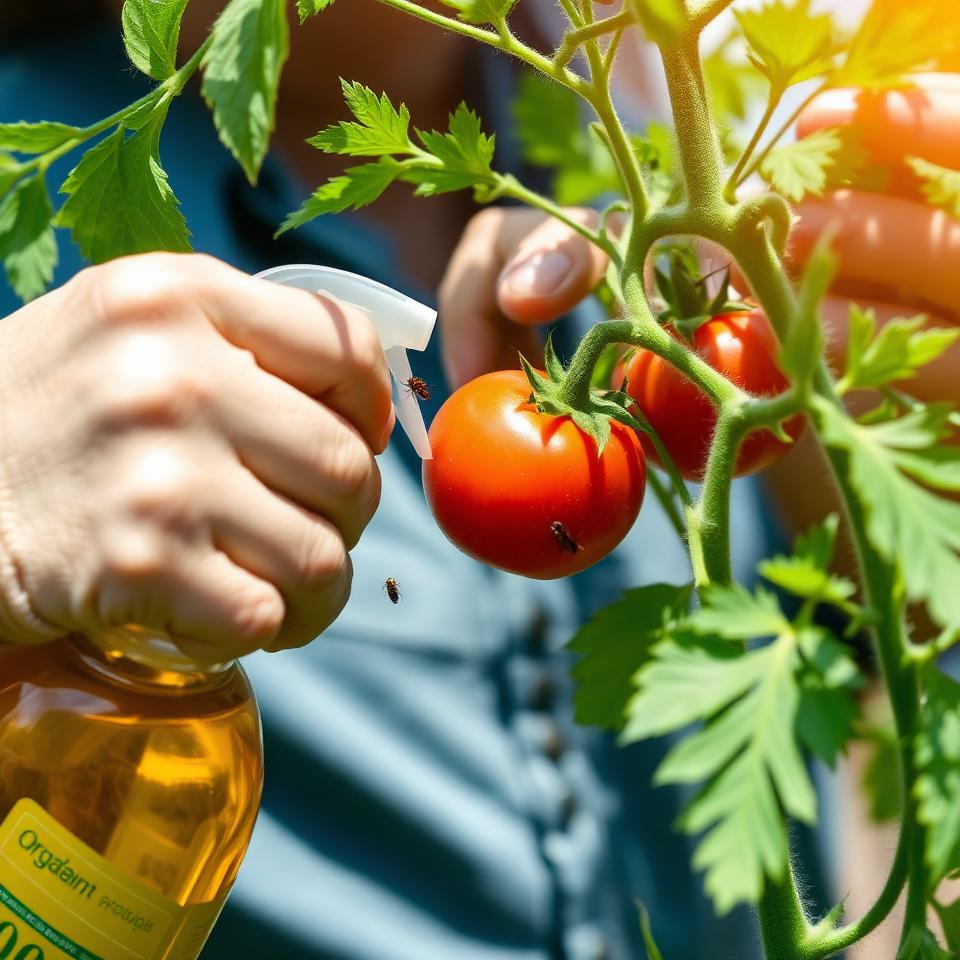
For effective and environmentally friendly pest control, consider these options:- Neem Oil: A natural insecticide and fungicide derived from the neem tree (Azadirachta indica). It disrupts insect feeding, growth, and reproduction. Apply as a foliar spray.
- Insecticidal Soap: A non-toxic solution that smothers soft-bodied insects like aphids, mites, and whiteflies. Requires direct contact.
- Beneficial Insects: Introduce or encourage natural predators like ladybugs (Coccinellidae), lacewings (Chrysopidae), and parasitic wasps, which feed on common garden pests. Create a habitat for them by planting diverse flowering plants.
- Diatomaceous Earth: A natural powder made from fossilized diatoms. It acts as a desiccant, physically damaging the exoskeletons of crawling insects.
Disease Prevention in Summer
While some diseases thrive in cooler, wetter conditions, others can be exacerbated by stress.- Good Air Circulation: Proper spacing between plants and pruning dense foliage can improve air circulation, reducing humidity around leaves and hindering fungal growth.
- Proper Watering: Avoid overhead watering in the evening to prevent prolonged leaf wetness, which encourages fungal and bacterial diseases. Water at the soil level.
- Sanitation: Remove and dispose of diseased plant material promptly to prevent spread. Clean tools between use.
- Stress Reduction: Healthy, unstressed plants are naturally more resistant to diseases. Focus on all the preventative measures discussed in this guide.
07Tailored Care for Specific Plant Types and Environments
Different plant types and growing environments have unique needs that must be addressed for optimal summer care, from the confined conditions of containers to the expansive demands of a vegetable patch. Understanding these specific requirements ensures all your botanical investments thrive.Container Plants: High-Risk, High-Reward
Container plants are significantly more vulnerable to summer heat and drought than their in-ground counterparts due to limited soil volume and increased exposure.- Rapid Drying: Soil in pots heats up faster and dries out much quicker. A plant in a 10-gallon pot might need watering daily, sometimes even twice a day, in peak summer.
- Pot Material Matters:
Pot Material Pros Cons Terracotta/Clay Porous, allows roots to breathe, prevents root rot. Dries out very quickly, heavy, can break. Plastic Retains moisture well, lightweight, affordable. Non-porous, can overheat roots, susceptible to root rot if overwatered. Glazed Ceramic Good moisture retention, decorative, heavy. Non-porous, can overheat roots. Fabric (Grow Bags) Excellent aeration, prevents root circling, cools roots via evaporative cooling. Dries out quickly, requires more frequent watering. - Tips for Container Plants:
- Larger Pots: Use the largest possible containers to provide more soil volume, which holds more moisture and buffers temperature swings.
- Self-Watering Pots: These are invaluable for consistent moisture.
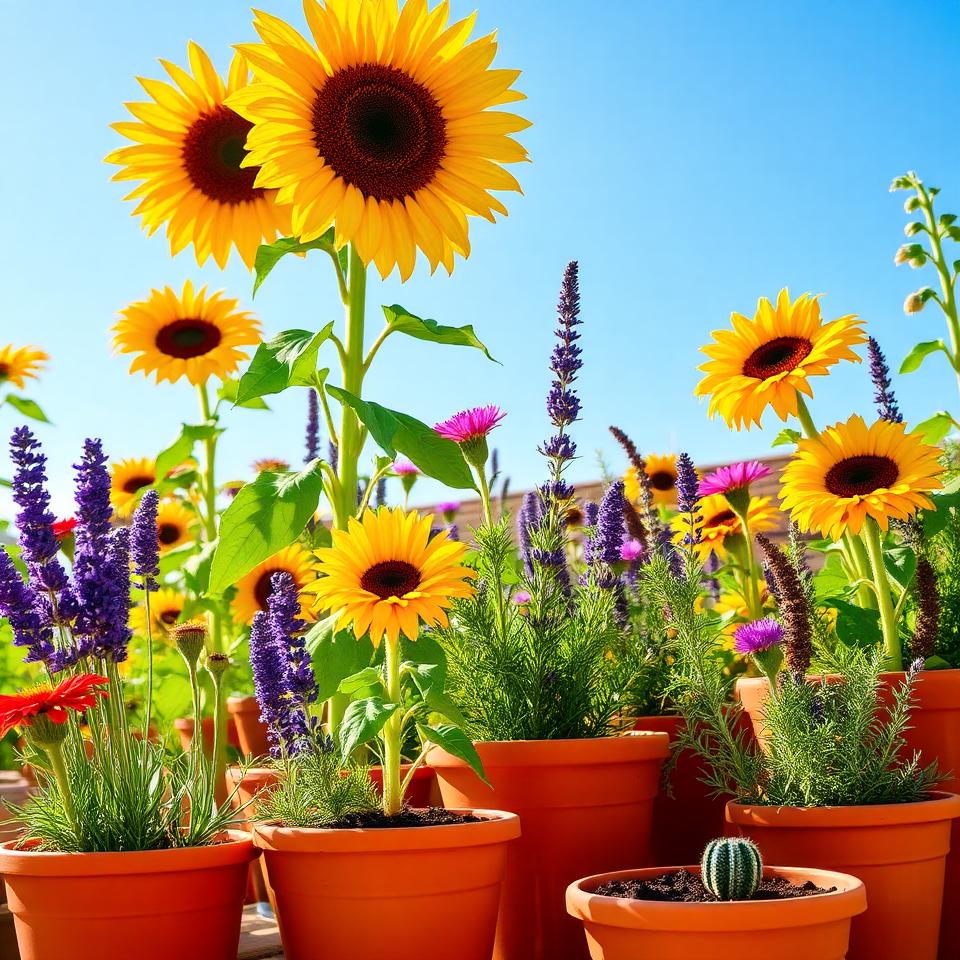
- Group Plants: Grouping pots together can create a microclimate, increasing local humidity and providing some mutual shading.
- Elevate Pots: Lift pots off hot surfaces (like concrete patios) to prevent heat transfer.
- Light-Colored Pots: Choose lighter-colored pots that reflect sunlight rather than absorbing heat.
- Mulch Containers: Add a layer of mulch to the top of the soil in containers to reduce evaporation.
New Plantings and Transplants: Extra TLC
Newly planted trees, shrubs, perennials, and annuals are particularly susceptible to summer stress as their root systems are not yet established.- Consistent Moisture: They need consistently moist soil (but not waterlogged) to encourage root growth. Water more frequently and deeply than established plants.
- Temporary Shade: Provide temporary shade for the first few weeks using shade cloth, an umbrella, or even a cardboard box during the hottest part of the day.
- Avoid Fertilizing: Do not fertilize new plantings right away; focus on root development first. Wait until they show signs of new growth.
Vegetable Gardens: Maximizing Summer Harvests
Vegetables have specific needs to ensure a bountiful summer harvest.- Crop Selection: Plant heat-tolerant varieties like okra (Abelmoschus esculentus), sweet potatoes (Ipomoea batatas), Southern peas (Vigna unguiculata), certain pepper varieties, and many herbs. Read more about heat-tolerant vegetables for summer.
- Succession Planting: For cool-season crops (lettuce, spinach), plan succession plantings in shadier spots or provide shade cloth to extend their season. Plant heat-loving crops for peak summer.
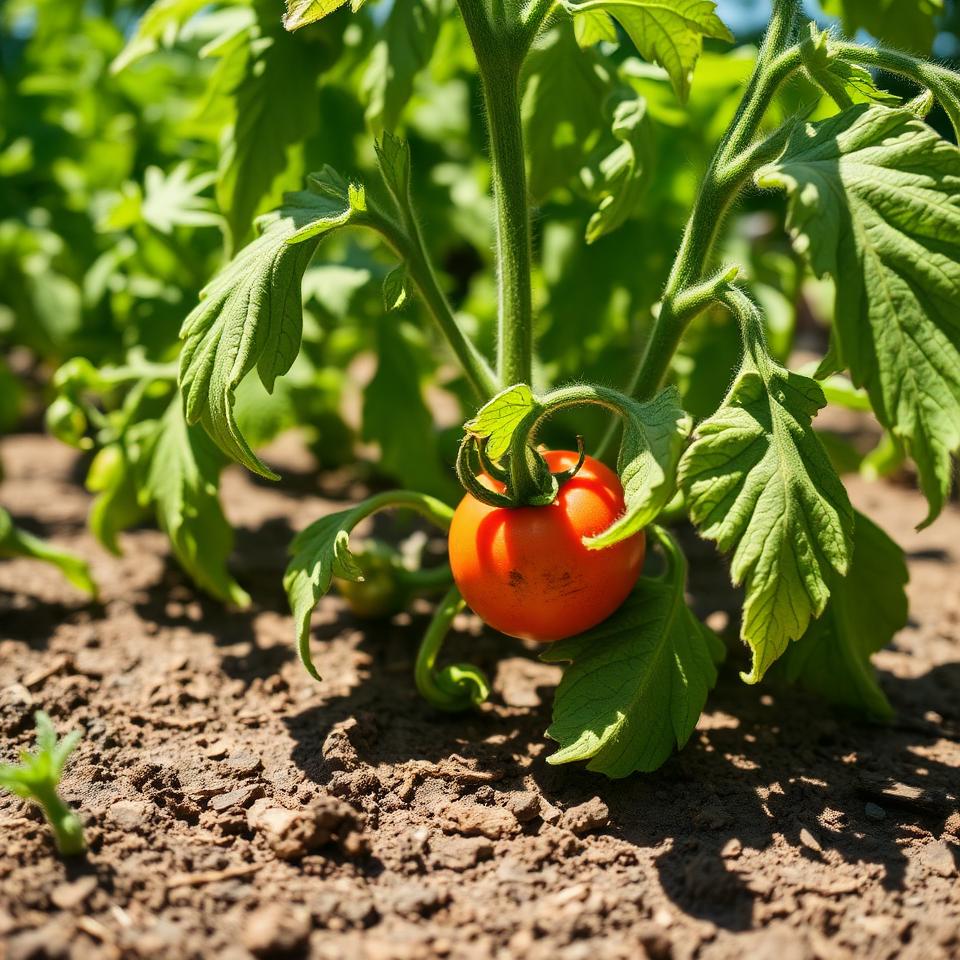
- Consistent Watering for Fruiting: Vegetables like tomatoes (Solanum lycopersicum), cucumbers (Cucumis sativus), and squash (Cucurbita spp.) need consistent moisture, especially when flowering and fruiting, to prevent blossom end rot and fruit splitting.
- Harvest Regularly: Harvesting frequently encourages more production and prevents plants from putting energy into ripening old fruits.
Lawns: Keeping the Green
Even lawns require specific care to endure summer.- Mowing Height: Raise your mower blade. Taller grass blades (aim for 3-4 inches) shade the soil, keeping it cooler and reducing evaporation. Taller grass also develops deeper roots.
- Watering: Water deeply and infrequently (1 inch per week, applied in one or two sessions). This encourages deep root growth. Let the lawn tell you when it needs water – a dull, bluish-green color and footprints remaining after walking are signs of thirst.
- Dormancy: It's okay for cool-season grasses (fescue, bluegrass) to go dormant and turn brown during extreme heat. They will usually green up again with cooler temperatures and rain. Don't overwater to keep them green; this can stress them more.
08Houseplant Care in Summer: Adapting Indoor Environments
Houseplants, while sheltered from direct outdoor extremes, still require significant adjustments in summer to thrive, as indoor conditions like light, temperature, and humidity can change dramatically. The goal is to replicate their ideal native environments as closely as possible.Light Adjustments for Indoor Plants
Even indoors, summer sun can be too intense, leading to leaf burn.- Increased Light Intensity: Summer sunlight, especially through south or west-facing windows, is far more intense than in winter. Even plants that enjoy bright indirect light might get scorched by direct afternoon sun.
- Relocation: Move sensitive plants (e.g., ferns, orchids, African violets) further away from windows or to east/north-facing windows. You might even need to pull them back several feet from a south window.
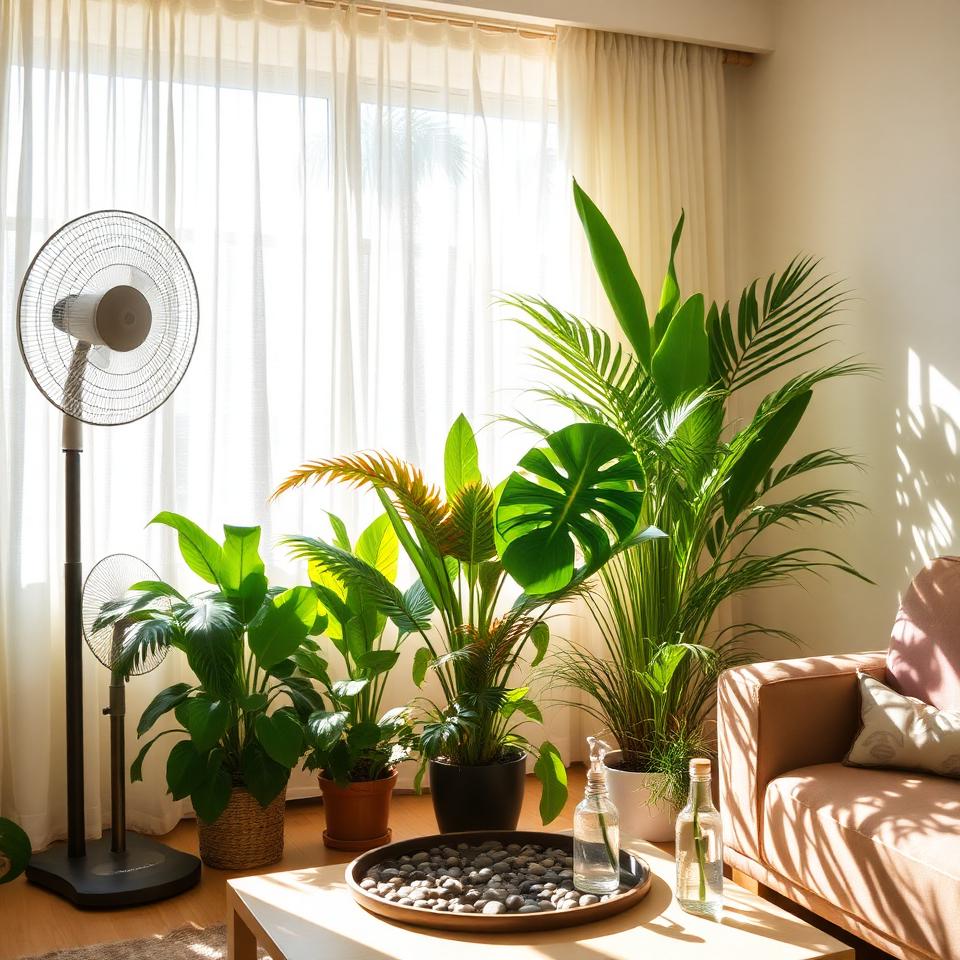
- Sheer Curtains: Use sheer curtains or blinds to diffuse harsh sunlight, reducing its intensity without blocking too much.
- Rotate Plants: Regularly rotate your houseplants to ensure even growth and prevent one side from getting excessive sun exposure.
Maintaining Humidity and Air Circulation
Air conditioning can lower indoor humidity, while stagnant air can encourage pests.- Humidity Boost:
- Pebble Trays: Fill a tray with pebbles and water, placing pots on top. As the water evaporates, it increases local humidity around the plant.
- Misting: While often debated, misting can provide a temporary humidity boost, especially for epiphytes like ferns and some orchids. Do it in the morning so leaves dry quickly.
- Humidifiers: For serious humidity lovers, a room humidifier can be a game-changer, especially if you run air conditioning frequently.
- Grouping Plants: Plants naturally release moisture through transpiration, so grouping them together can create a small humid microclimate.
- Air Circulation: Stagnant, warm air is an invitation for pests like spider mites.
- Gentle Fans: Use a ceiling fan on a low setting or a small oscillating fan to ensure gentle air movement. Avoid directly blasting plants, which can dry them out.
- Open Windows (Carefully): If outdoor conditions are mild, opening windows for short periods can improve circulation, but be mindful of drafts or bringing in pests.
Watering and Fertilizing Indoor Plants in Summer
Indoor plants often need more frequent watering in summer due to increased warmth and light, but fertilization should be balanced.- Increased Watering Frequency: Plants grow more actively in summer and evaporate water faster. Check soil moisture more frequently, often daily for smaller pots, and water when the top inch or two of soil is dry.
- Deep Watering: Ensure water drains through the pot's drainage holes to thoroughly saturate the root ball and flush out accumulated salts.
- Reduced Fertilization: Similar to outdoor plants, reduce or halt fertilization if your houseplant is not actively growing or appears stressed. For actively growing plants, use a diluted liquid fertilizer (half-strength) every 2-4 weeks, or as per specific plant needs.
Vacation Care for Houseplants
Planning for extended absences is crucial to prevent dehydration.- Self-Watering Solutions: Utilize self-watering globes, wicking systems, or place plants on capillary mats that draw water from a reservoir.
- Bathtub Method: For a few days, you can fill a bathtub with a few inches of water and place potted plants (with drainage holes) in it. The soil will absorb water from the bottom. Ensure plants are elevated slightly to prevent waterlogging.
- Group and Shade: Group plants together in the coolest, shadiest part of your home to reduce water loss.
- Ask a Friend: The most reliable option for longer trips. Provide clear instructions!
09Advanced Strategies and Future Outlook for Plant Resilience
As climate change continues to bring more frequent and intense heatwaves, growers and researchers are exploring advanced strategies to bolster plant resilience, from cutting-edge horticultural techniques to leveraging smart technology. These methods aim to optimize plant health and environmental efficiency.Biostimulants: Boosting Natural Defenses
Biostimulants are substances or microorganisms applied to plants with the aim to enhance nutrition efficiency, abiotic stress tolerance, and crop quality traits, irrespective of its nutrient content.- Seaweed Extracts: As mentioned, these contain natural hormones and beneficial compounds that can improve root development and increase tolerance to drought and heat.
- Humic and Fulvic Acids: Derived from organic matter, these compounds improve nutrient uptake, enhance soil structure, and stimulate microbial activity, leading to healthier, more resilient plants.
- Amino Acids: Applied as foliar sprays, amino acids can act as precursors to stress-response proteins and reduce the energy cost of producing them during stress, helping plants recover faster.
- Silicon: Exogenous application of silicon can strengthen cell walls, improve water retention, and enhance antioxidant activity, making plants more resistant to various stresses, including heat [Source: Frontiers in Plant Science, 2023].
Smart Gardening Technology: Precision Care
Technological advancements are revolutionizing how we care for plants, offering precision and automation.- Soil Moisture Sensors: These devices provide real-time data on soil moisture levels, allowing for precise watering schedules based on actual plant needs, preventing both over and under-watering.
- Automated Irrigation Systems: Integrated with weather data and soil sensors, these systems can automatically adjust watering frequency and duration, optimizing water use and plant health.
- Remote Monitoring: Apps and smart devices allow gardeners to monitor their plants' conditions (temperature, humidity, light, soil moisture) remotely, enabling timely intervention even when away from home.
- Smart Shade Systems: Automated shade cloths can be programmed to deploy and retract based on sunlight intensity or temperature thresholds, providing dynamic protection.
Future-Proofing Gardens: Climate-Resilient Planting
The long-term strategy involves adapting our plant choices and garden designs to the changing climate.- Drought-Tolerant and Native Plants: Prioritize plants that are naturally adapted to dry, hot conditions and require less supplemental irrigation. Native plants are particularly well-suited to local climates and ecosystems. Explore drought-tolerant medicinal herbs.
- Xeriscaping Principles: Design landscapes that minimize the need for water, incorporating drought-resistant plants, efficient irrigation, and extensive mulching.
- Rainwater Harvesting: Install rain barrels or larger rainwater harvesting systems to collect and store precipitation for irrigation, reducing reliance on municipal water supplies.
- Permaculture Design: Implement design principles that create self-sustaining ecosystems, maximizing resource efficiency and resilience.
10Frequently Asked Questions About Summer Plant Care
Navigating the complexities of summer plant care often leads to common questions. Here are answers to some of the most pressing concerns.What is the absolute best time of day to water plants in summer?
The absolute best time to water plants in summer is early morning, ideally between 4 AM and 8 AM. This timing allows water to penetrate deeply before the sun's intensity increases, minimizing evaporation and ensuring roots have ample time to absorb moisture before the heat of the day.My plants are wilting every afternoon. Does this mean I'm not watering enough?
Not necessarily. Afternoon wilting can be a temporary response to high heat, as plants transpire faster than they can absorb water. If plants recover by evening or morning, they might be sufficiently hydrated. However, if wilting persists, it's a clear sign of insufficient watering or heat stress, and you should check soil moisture and water deeply.Should I fertilize my plants more in summer because they're growing actively?
Generally, you should reduce or even halt heavy fertilization during peak summer heat. High temperatures stress plants, making them less efficient at nutrient uptake, and excess nitrogen can promote tender growth susceptible to scorching. If growth is vigorous and plants appear healthy, use a very diluted, balanced liquid fertilizer (half-strength) or a slow-release product.Can I use ice cubes to water my houseplants?
While ice cubes melt slowly, providing a gradual water release, it's generally not recommended as a primary watering method. The extremely cold water can shock plant roots, potentially causing stress or damage. It's better to use room-temperature water applied slowly and consistently.How do I protect my delicate plants when I go on vacation?
For short trips, group plants together in a cool, shaded spot, water thoroughly, and consider using pebble trays for humidity. For longer vacations, self-watering globes, wicking systems, or a temporary plant sitter are the best options. Avoid overwatering before leaving, as this can lead to root rot.What are the signs of "sunburn" on plants?
Plant sunburn typically appears as bleached, yellow, brown, or crispy spots or patches on leaves directly exposed to intense sun. The affected areas often look dry and damaged, similar to human sunburn. This can happen when plants are moved too quickly from shade to sun, or during extreme heatwaves.Is it better to mist my houseplants for humidity, or use a humidifier?
A humidifier is generally more effective for consistently raising ambient humidity for houseplants, especially in dry environments. Misting provides only a temporary, localized increase in humidity, lasting for a short period until the water evaporates. While misting can be beneficial for some tropicals, it's not a substitute for a humidifier where sustained humidity is needed.Can mulch make my garden hotter?
Organic mulches (wood chips, straw, shredded leaves) actually keep the soil cooler by insulating it and reducing direct sun exposure. Inorganic mulches like dark-colored rocks or landscape fabric, however, can absorb and radiate heat, potentially making the soil and surrounding air hotter. Choose organic mulches for cooling benefits.My vegetables are flowering but not producing fruit. What's wrong?
This is often a sign of heat stress, particularly for crops like tomatoes, peppers, and beans. High temperatures can cause pollen to become sterile or reduce its viability, leading to "blossom drop" and poor fruit set. Ensure consistent watering, provide afternoon shade, and avoid high-nitrogen fertilizers during flowering.When should I use shade cloth, and what percentage should I choose?
Use shade cloth during periods of extreme heat (consistently above 32°C/90°F) or for plants known to be sensitive to intense sun. For most vegetables and sun-sensitive ornamentals, a 30-40% shade cloth is sufficient. More delicate plants or new transplants might benefit from 50-70% shade. Always allow for good air circulation under the cloth.How do I know if my potted plant needs more water?
The most reliable method is to feel the soil. Stick your finger 2-3 inches deep into the soil; if it feels dry, it's time to water. You can also lift the pot – a dry pot will feel significantly lighter than a watered one. Moisture meters are also useful tools for precise readings.11The Complete Summer Plant Care Guide 2026: Key Takeaways
Successfully navigating summer plant care requires a combination of understanding plant physiology, proactive planning, and consistent attention. By implementing the strategies outlined in this comprehensive guide, from meticulous watering techniques to strategic shading and thoughtful nutrient management, you can empower your gardens and houseplants to not only withstand but truly flourish through the season's challenges. The key takeaways for a thriving summer garden and healthy houseplants include:- Prioritize Proper Watering: Water deeply and thoroughly in the early morning to encourage robust root systems and minimize evaporation.
- Embrace Mulch: Apply a 2-4 inch layer of organic mulch to conserve moisture, regulate soil temperature, and suppress weeds.
- Provide Strategic Shade: Protect sensitive plants from intense afternoon sun using shade cloths, temporary structures, or companion planting.
- Adjust Nutrient Regimen: Reduce heavy fertilization during peak heat and support plants with gentle organic amendments like compost tea or kelp meal.
- Stay Vigilant Against Pests: Regularly inspect plants for signs of stress or pest activity and address issues promptly with organic solutions.
- Tailor Care to Specific Needs: Recognize that container plants, new plantings, vegetable gardens, and houseplants all have unique requirements for summer resilience.
- Leverage Technology and Biostimulants: Explore advanced tools like soil sensors and natural plant boosters to enhance plant health and stress tolerance.
12Sources & Further Reading on The Complete Summer Plant Care Guide 2026
Authoritative sources and related guides:
Explore Our Platforms
 InfiniCore DataWorks
 Nex-Automata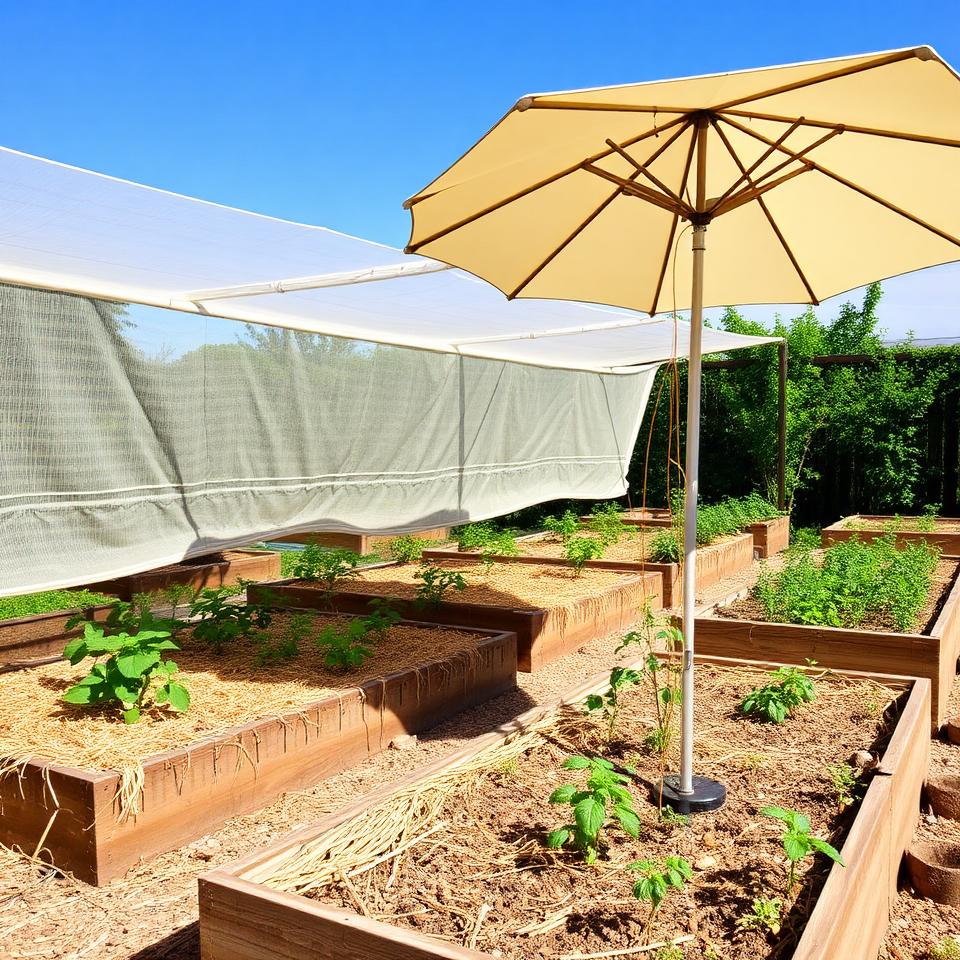
- Wikipedia — background reference
- PubMed — peer-reviewed studies
- Kew POWO — botanical reference
- NCBI PMC — open-access research
- WHO — global health authority
Related on Flora Medical Global
Reviewed by the Flora Medical Global Botanical Review Panel
Multi-disciplinary editorial group · Botany · Ethnobotany · Herbal-medicine literature
Who reviewed this: This page was checked by the Flora Medical Global Botanical Review Panel — an in-house editorial group of botany graduates, ethnobotany researchers, and horticulture practitioners who collectively maintain our 7,000+ plant encyclopedia. Meet the team.
Our 4-step verification process
1. Taxonomic verification
Scientific names and synonyms cross-checked against Kew POWO, World Flora Online, and The Plant List.
2. Phytochemical & medicinal cross-reference
Active compounds, traditional uses, and reported activities are cross-referenced with PubMed, USDA Dr. Duke's database, and peer-reviewed ethnobotanical literature.
3. Conservation & distribution check
Distribution, ecology, and conservation status confirmed against GBIF occurrence records and the IUCN Red List.
4. Editorial & safety review
Every entry passes an editorial pass for clarity, originality, and safety notices (toxicity, contraindications, dosage caveats) before publication.
Last reviewed:
Explore Our Platforms
Comments (0)
No comments yet. Be the first!