What Are Medicinal Plants? A Complete Beginner's Guide to Healing Herbs & Their Uses
 Flora Medical GlobalPublished: 2/25/2026Updated: 6/16/202630 min read
Editorial Disclaimer: This article is for informational and educational purposes only. It is not a substitute for professional medical advice, diagnosis, or treatment. Always consult a qualified healthcare provider or certified herbalist before using any plant for medicinal purposes, especially if you are pregnant, nursing, taking medication, or have a medical condition.
For millennia, humanity has looked to nature for sustenance, shelter, and healing. Long before the advent of modern pharmaceuticals, our ancestors discovered and harnessed the incredible power of plants to alleviate pain, cure diseases, and maintain well-being. This ancient wisdom, passed down through generations, forms the bedrock of what we now call herbal medicine, with medicinal plants at its very heart. So, if you've ever wondered, what are medicinal plants, you've come to the right place. Flora Medical Global is your definitive guide to understanding these remarkable botanical wonders.
In this comprehensive guide, we will embark on a journey to explore the captivating world of medicinal plants. We'll unravel their fascinating history, delve into their scientific mechanisms, categorize the diverse types of medicinal plants, and provide practical insights into how these healing herbs are utilized today as natural remedies. Whether you're a seasoned enthusiast or new to the concept of herbal medicine, prepare to deepen your understanding of nature's profound healing pharmacy.
01What Are Medicinal Plants: Definition and Scope
At its core, a medicinal plant is any plant that, in one or more of its organs, contains substances that can be used for therapeutic purposes, or that are precursors for the synthesis of useful drugs. This broad definition encompasses a vast array of flora, from common culinary herbs to exotic forest species, all possessing bioactive compounds that interact with the human body in specific ways.
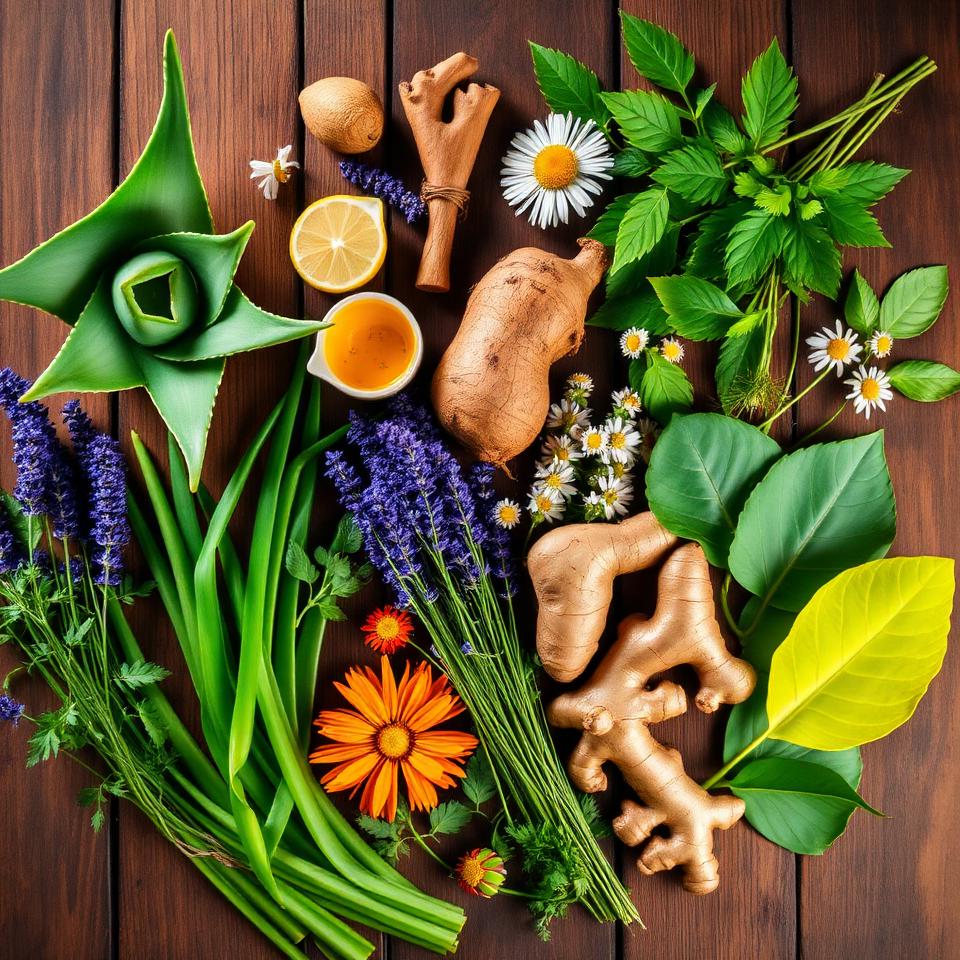
The scope of medicinal plants is truly immense, extending far beyond the traditional "herb garden" image. It includes trees, shrubs, vines, fungi (though technically not plants, they are often studied in this context due to their similar historical use), and algae. The key differentiator is the presence of phytochemicals with therapeutic potential, whether used directly as a folk remedy or as a starting material for pharmaceutical drug development.
Defining Medicinal Plants (Medicinal Plants Definition)
The World Health Organization (WHO) defines a medicinal plant as "any plant which, in one or more of its organs, contains substances that can be used for therapeutic purposes or which are precursors for the synthesis of useful drugs." This definition highlights the dual nature of medicinal plants: their direct application in traditional medicine and their role as a source for modern pharmacology.
It's important to distinguish between a "medicinal plant" and a "herb." While all herbs can be considered plants, not all plants are herbs. A herb typically refers to a plant whose leaves, flowers, or stems are used for flavoring, food, medicine, or perfume. Medicinal plants encompass a broader category, including woody plants like trees and shrubs, from which bark, roots, or other non-herbaceous parts might be used therapeutically.
The therapeutic efficacy of these plants stems from the complex interplay of various chemical compounds they produce. These compounds are often grouped into primary metabolites, essential for the plant's survival, and secondary metabolites, which are not directly involved in growth but play crucial roles in defense, communication, and, significantly for us, medicinal properties.
The Science Behind the Efficacy: Phytochemistry Basics
The power of medicinal plants lies in their unique biochemical makeup, a field known as phytochemistry. Plants are sophisticated chemical factories, producing thousands of compounds that protect them from pests, diseases, and environmental stressors. Many of these very compounds have beneficial effects when consumed or applied by humans.
These bioactive compounds are often referred to as phytochemicals. For example, the Foxglove plant (Digitalis purpurea) produces digoxin, a cardiac glycoside critical for treating heart failure. The Willow tree (Salix alba) contains salicin, a precursor to aspirin, known for its anti-inflammatory and pain-relieving properties. These are just two prominent examples showcasing the profound impact of plant-derived compounds.
Modern science, through advanced analytical techniques, has begun to unravel the intricate mechanisms by which these plant compounds interact with human physiology. This scientific validation helps bridge the gap between ancient wisdom and contemporary medicine, providing a deeper understanding of why these plants have been trusted for centuries.
02A Glimpse Through Time: The Ancient Roots of Herbal Medicine
The use of medicinal plants is not a recent phenomenon but a practice deeply embedded in the history of every human civilization, stretching back tens of thousands of years. From the earliest hominids experimenting with local flora to sophisticated ancient medical systems, plants have been humanity's first pharmacy.
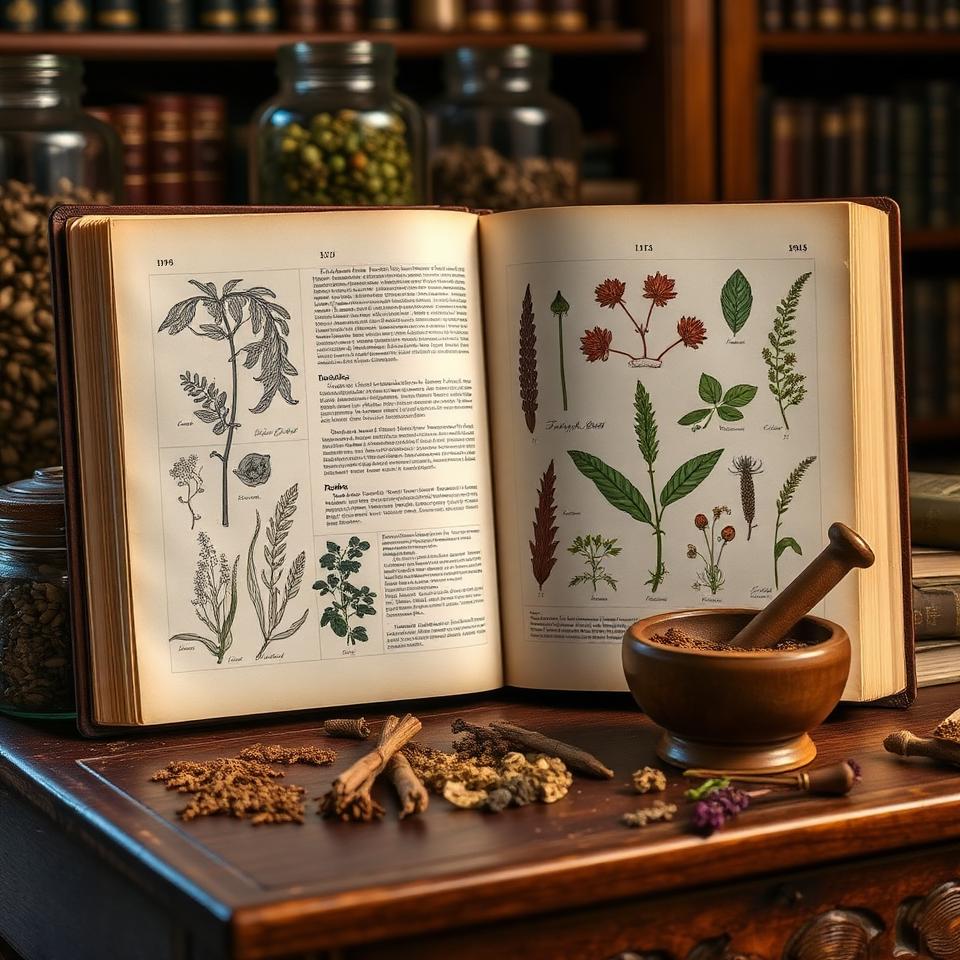
Archaeological evidence suggests that Neanderthals, as far back as 60,000 years ago, used plants like Yarrow (Achillea millefolium) and Mallow (Malva sylvestris) for their medicinal properties. This profound connection signifies an intuitive understanding of nature's healing potential long before written records existed.
Cradles of Civilization: Early Herbal Traditions
Mesopotamia (c. 3000 BCE): Ancient Sumerian clay tablets from Mesopotamia, one of the earliest civilizations, document the use of various plant remedies. They prescribed plants like poppy, mandrake, and licorice for a range of ailments, indicating a foundational knowledge of their therapeutic effects.
Ancient Egypt (c. 1550 BCE): The Ebers Papyrus, an ancient Egyptian medical text dating to approximately 1550 BCE, is a comprehensive record detailing over 700 medicinal plants and thousands of remedies. It lists treatments for everything from digestive issues to dermatological conditions, utilizing plants like Aloe (Aloe vera), Juniper (Juniperus communis), and Garlic (Allium sativum).
Ancient China (c. 2800 BCE): Traditional Chinese Medicine (TCM) boasts a history spanning over 2,000 years, with its origins often attributed to Emperor Shennong (c. 28th century BCE). The Shennong Ben Cao Jing (The Divine Farmer's Materia Medica), compiled around the 1st century CE, lists 365 medicinal substances, primarily plants, categorizing them by their properties and applications. Ginseng (Panax ginseng), Ephedra (Ephedra sinica), and Ginger (Zingiber officinale) are cornerstones of this rich tradition.
Ancient India (c. 1500 BCE): Ayurveda, meaning "the science of life," is one of the world's oldest holistic healing systems, originating in India. Its foundational texts, the Vedas, particularly the Atharvaveda, contain numerous hymns and verses related to medicinal plants. Ayurvedic practitioners utilize thousands of plants, including Turmeric (Curcuma longa), Ashwagandha (Withania somnifera), and Neem (Azadirachta indica), viewing health as a balance between mind, body, and spirit.
Ancient Greece and Rome (c. 500 BCE - 500 CE): Greek physicians like Hippocrates, often called the "Father of Medicine," emphasized observation and natural remedies, including numerous plant-based treatments. Later, Dioscorides' De Materia Medica (1st century CE) became a monumental pharmacopoeia listing over 600 plants and their uses, serving as a primary botanical reference for over 1,500 years. Galen further developed these ideas, influencing Western medicine for centuries.
Indigenous Cultures Worldwide: Across the Americas, Africa, Australia, and Oceania, indigenous peoples developed vast and sophisticated pharmacopoeias unique to their local ecosystems. Shamans, healers, and elders held profound knowledge of local flora, using plants for spiritual ceremonies, healing, and everyday wellness. Many modern drugs have roots in the traditional knowledge of indigenous communities, such as quinine from the Cinchona tree for malaria.
From Ancient Empires to Modern Eras
The Middle Ages saw the continuation of herbal medicine, largely preserved and expanded by monastic gardens and scholarly texts. Figures like Hildegard von Bingen (12th century) documented extensive plant knowledge, blending spiritual and medicinal uses.
The Age of Exploration brought new plants and remedies from the "New World" to Europe, enriching existing pharmacopoeias. However, with the rise of empirical science and chemistry in the 18th and 19th centuries, there was a shift towards isolating active compounds and synthesizing drugs, leading to the development of modern pharmaceuticals. Despite this, herbal medicine persisted, often complementing or serving as an alternative to conventional treatments.
03The Science Behind the Healing: Phytochemistry and Pharmacology
The therapeutic effects of medicinal plants are rooted in their complex chemical composition, specifically the presence of various bioactive compounds that interact with our body's systems. Understanding these compounds and their mechanisms of action is the essence of phytochemistry and pharmacology in herbal medicine.
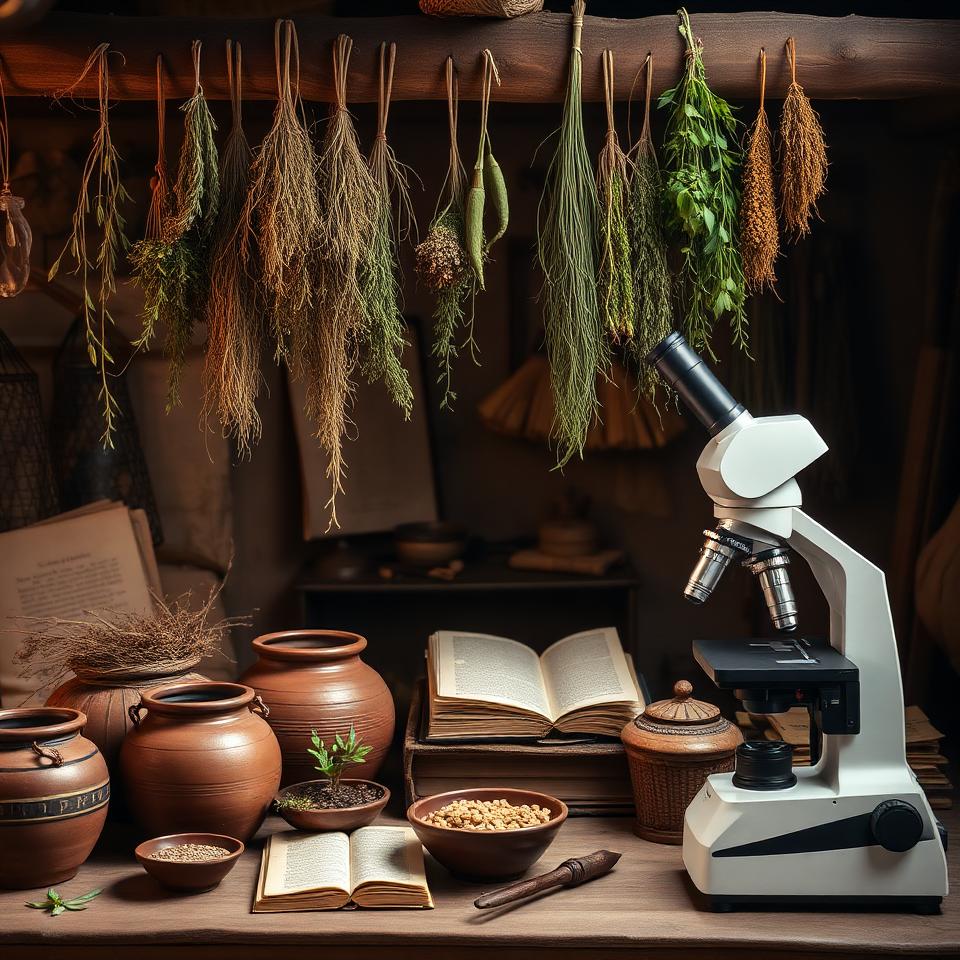
Here's the deal: plants produce a vast array of chemical compounds, often categorized into primary and secondary metabolites. While primary metabolites (like carbohydrates, proteins, and lipids) are essential for the plant's basic survival, secondary metabolites are the true stars when it comes to medicinal properties.
Phytochemistry: Unpacking Plant Compounds
Secondary metabolites are not directly involved in the growth or reproduction of the plant but play crucial roles in defense against herbivores and pathogens, attraction of pollinators, and adaptation to environmental stressors. It's these compounds that hold significant therapeutic value for humans.
Here are some of the major classes of secondary metabolites found in medicinal plants:
- Alkaloids: These are nitrogen-containing organic compounds, often with a bitter taste, known for their potent pharmacological effects. Many common drugs, like morphine, quinine, and nicotine, are alkaloids.
- Examples: Caffeine (from Coffee - Coffea arabica), Atropine (from Belladonna - Atropa belladonna), Berberine (from Barberry - Berberis vulgaris).
- Mechanism: Often act on the nervous system, affecting neurotransmitters or receptors.
- Glycosides: Compounds where a sugar molecule is attached to a non-sugar component (aglycone). They are typically inactive until the sugar part is cleaved, activating the aglycone.
- Examples: Digoxin (from Foxglove - Digitalis purpurea), Salicin (from Willow - Salix alba), Anthraquinones (from Senna - Senna alexandrina).
- Mechanism: Cardiac glycosides affect heart muscle contraction; anthraquinone glycosides have laxative effects.
- Terpenes and Terpenoids: A large and diverse class of organic compounds derived from five-carbon isoprene units. They are responsible for the aroma of many plants and have a wide range of biological activities.
- Examples: Menthol (from Peppermint - Mentha × piperita), Limonene (from citrus peels), Artemisinin (from Sweet Wormwood - Artemisia annua).
- Mechanism: Many have anti-inflammatory, antimicrobial, or anticancer properties.
- Phenolic Compounds: Characterized by the presence of at least one aromatic ring with one or more hydroxyl groups. This group includes flavonoids, tannins, and phenolic acids. They are powerful antioxidants.
- Examples: Quercetin (found in Onions - Allium cepa and Apples - Malus domestica), Resveratrol (from Grapes - Vitis vinifera), Tannins (from Oak bark - Quercus robur, and Tea - Camellia sinensis).
- Mechanism: Antioxidant, anti-inflammatory, antimicrobial, astringent. Flavonoids often act as free radical scavengers.
- Saponins: Glycosides that produce a stable foam in water, similar to soap. They have a distinct bitter taste.
- Examples: Ginsenosides (from Ginseng - Panax ginseng), Diosgenin (from Wild Yam - Dioscorea villosa).
- Mechanism: Immunomodulatory, cholesterol-lowering, expectorant properties.
Pharmacology: How Plant Compounds Work
Once consumed or applied, these phytochemicals interact with the body's physiological systems. This interaction is the realm of pharmacology. Unlike many synthetic drugs that often target a single receptor or pathway, plant remedies frequently contain multiple compounds that work synergistically.
This "entourage effect" or synergy means that the combined action of various compounds in a whole plant extract can be greater and more balanced than the effect of an isolated compound. For instance, the anti-inflammatory action of Turmeric (Curcuma longa) is attributed not just to curcumin but also to a range of other curcuminoids and volatile oils.
Common mechanisms of action include:
- Anti-inflammatory: Reducing inflammation (e.g., boswellic acids from Frankincense - Boswellia serrata, curcumin from Turmeric).
- Antimicrobial: Fighting bacteria, viruses, or fungi (e.g., allicin from Garlic - Allium sativum, thymol from Thyme - Thymus vulgaris).
- Antioxidant: Neutralizing harmful free radicals (e.g., flavonoids, vitamins C and E).
- Immunomodulatory: Modulating the immune system (e.g., polysaccharides from Echinacea - Echinacea purpurea, adaptogens like Ashwagandha).
- Nervine: Affecting the nervous system, acting as sedatives, stimulants, or tonics (e.g., valerenic acid from Valerian - Valeriana officinalis).
- Digestive Aids: Improving digestion or relieving gastrointestinal discomfort (e.g., carminatives like Fennel - Foeniculum vulgare).
The truth is: understanding these complex interactions is still an ongoing process. While many traditional uses have been validated by modern research, the full spectrum of a plant's biochemical activities and their synergistic effects remains an active area of study in ethnopharmacology and drug discovery.
Indeed, a significant percentage of modern prescription drugs, including aspirin, paclitaxel (Taxol), and artemisinin, were originally discovered or derived from plant sources. This underscores the enduring importance of medicinal plants as a critical resource for pharmaceutical innovation. For example, the anticancer drug Paclitaxel was isolated from the Pacific Yew tree (Taxus brevifolia) in the 1960s, showcasing the continued potential of bioprospecting.
04Categorizing Nature's Pharmacy: Types of Medicinal Plants
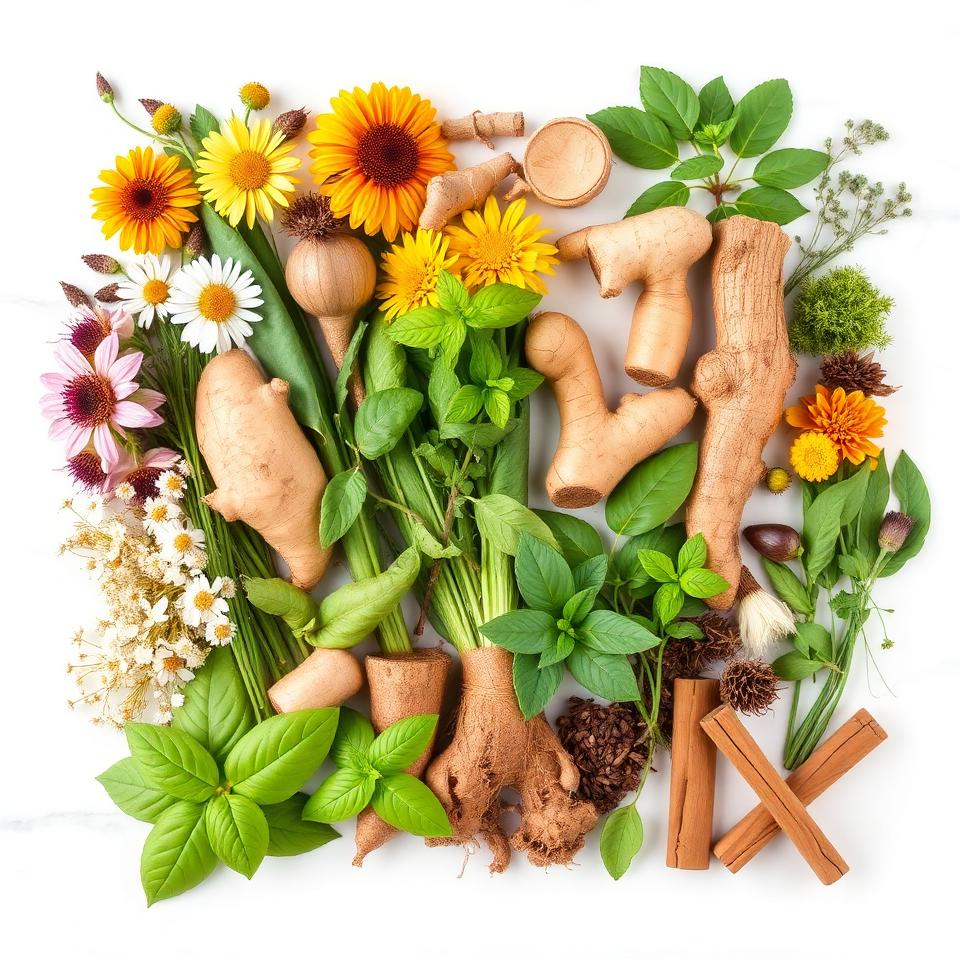
Categorizing medicinal plants helps us organize their vast diversity and understand their primary applications. While there are many ways to classify them, we can broadly group them by their therapeutic action, the part of the plant used, or their role in specific traditional medical systems.
Explore Our Platforms
 InfiniCore DataWorks
 Nex-Automata
This classification isn't always rigid, as many plants exhibit multiple therapeutic effects and can be used in various ways. However, it provides a useful framework for beginners to navigate the world of healing herbs.
By Therapeutic Action
This is perhaps the most practical way to classify medicinal plants for those seeking specific health benefits.
- Adaptogens: These plants help the body adapt to stress, promoting overall balance and resilience. They typically modulate the endocrine and immune systems.
- Examples: Ashwagandha (Withania somnifera), Rhodiola (Rhodiola rosea), Ginseng (Panax ginseng).
- Analgesics (Pain Relievers): Plants that alleviate pain.
- Examples: White Willow Bark (Salix alba), Turmeric (Curcuma longa), Jamaican Dogwood (Piscidia erythrina).
- Anti-inflammatories: Reduce swelling, redness, and pain associated with inflammation.
- Examples: Ginger (Zingiber officinale), Turmeric (Curcuma longa), Boswellia (Boswellia serrata), Chamomile (Matricaria chamomilla).
- Antimicrobials (Antibacterial, Antiviral, Antifungal): Combat various pathogens.
- Examples: Garlic (Allium sativum), Echinacea (Echinacea purpurea), Tea Tree (Melaleuca alternifolia), Oregano (Origanum vulgare).
- Carminatives: Help relieve gas and bloating, often by relaxing digestive muscles.
- Examples: Peppermint (Mentha × piperita), Fennel (Foeniculum vulgare), Chamomile (Matricaria chamomilla), Anise (Pimpinella anisum).
- Diuretics: Promote increased urine production, aiding in fluid balance and detoxification.
- Examples: Dandelion Leaf (Taraxacum officinale), Nettle (Urtica dioica), Parsley (Petroselinum crispum).
- Nervines (Sedatives, Tonics, Stimulants): Affect the nervous system, promoting relaxation, reducing anxiety, or invigorating the mind.
- Examples: Valerian (Valeriana officinalis), Lemon Balm (Melissa officinalis), Passionflower (Passiflora incarnata), Kava (Piper methysticum, used with caution).
- Demulcents: Soothe irritated mucous membranes, often used for coughs or digestive irritation.
- Examples: Marshmallow Root (Althaea officinalis), Slippery Elm (Ulmus rubra), Licorice Root (Glycyrrhiza glabra).
- Expectorants: Help clear mucus from the respiratory system.
- Examples: Thyme (Thymus vulgaris), Elecampane (Inula helenium), Licorice Root (Glycyrrhiza glabra).
By Plant Part Used
Different parts of a plant can contain different concentrations of medicinal compounds, leading to varied applications.
- Roots/Rhizomes: Often contain concentrated energy stores and long-acting compounds.
- Examples: Ginseng (Panax ginseng), Turmeric (Curcuma longa), Ginger (Zingiber officinale), Dandelion Root (Taraxacum officinale).
- Leaves: Commonly used for teas and topical applications, rich in volatile oils, flavonoids, and chlorophyll.
- Examples: Peppermint (Mentha × piperita), Nettle (Urtica dioica), Senna (Senna alexandrina), Green Tea (Camellia sinensis).
- Flowers: Often contain essential oils, pigments, and compounds beneficial for skin or emotional well-being.
- Examples: Chamomile (Matricaria chamomilla), Lavender (Lavandula angustifolia), Calendula (Calendula officinalis), Hibiscus (Hibiscus sabdariffa).
- Bark: Contains tannins, alkaloids, and other compounds, often used for astringent or anti-inflammatory purposes.
- Examples: White Willow Bark (Salix alba), Cinchona (Cinchona officinalis), Cinnamon (Cinnamomum verum).
- Seeds/Fruits: Rich in oils, vitamins, minerals, and specific active compounds.
- Examples: Milk Thistle (Silybum marianum) seeds, Fenugreek (Trigonella foenum-graecum) seeds, Hawthorn (Crataegus monogyna) berries, Rose Hips (Rosa canina).
Common Culinary Herbs with Medicinal Properties
Many herbs we use daily in the kitchen also boast significant medicinal benefits, blurring the lines between food and medicine.
Here's a quick look at some familiar examples:
| Plant Name | Scientific Name | Primary Culinary Use | Key Medicinal Properties |
|---|---|---|---|
| Garlic | Allium sativum | Flavoring, seasoning | Antimicrobial, immune-boosting, cardiovascular support |
| Ginger | Zingiber officinale | Spice, flavoring | Anti-inflammatory, anti-nausea, digestive aid |
| Turmeric | Curcuma longa | Spice, coloring | Anti-inflammatory, antioxidant, liver support |
| Rosemary | Rosmarinus officinalis | Flavoring meats, vegetables | Antioxidant, cognitive enhancer, circulatory stimulant |
| Thyme | Thymus vulgaris | Flavoring, seasoning | Antiseptic, expectorant, cough suppressant |
| Mint | Mentha spp. | Flavoring, tea | Carminative, digestive aid, headache relief |
Global Perspectives: Traditional Medical Systems
Different cultures have developed unique systems of herbal medicine, often reflecting their local flora and philosophical approaches to health.
- Traditional Chinese Medicine (TCM): Focuses on balancing Qi (life energy) and addressing patterns of disharmony using complex herbal formulas.
- Ayurveda: Emphasizes balancing the three doshas (Vata, Pitta, Kapha) through personalized diets, lifestyle, and herbal remedies.
- Western Herbalism: Often draws on European and North American traditions, focusing on individual plant properties and holistic healing.
But wait—regardless of the system, the core principle remains: medicinal plants offer a pathway to health and healing, often through gentle yet profound interactions with the body's natural processes.
05Healing Herbs in Practice: Methods of Preparation and Application
Once harvested, medicinal plants undergo various preparation methods to extract their beneficial compounds, making them ready for therapeutic use. The chosen method often depends on the plant part, the desired compounds, and the intended application (internal or external).
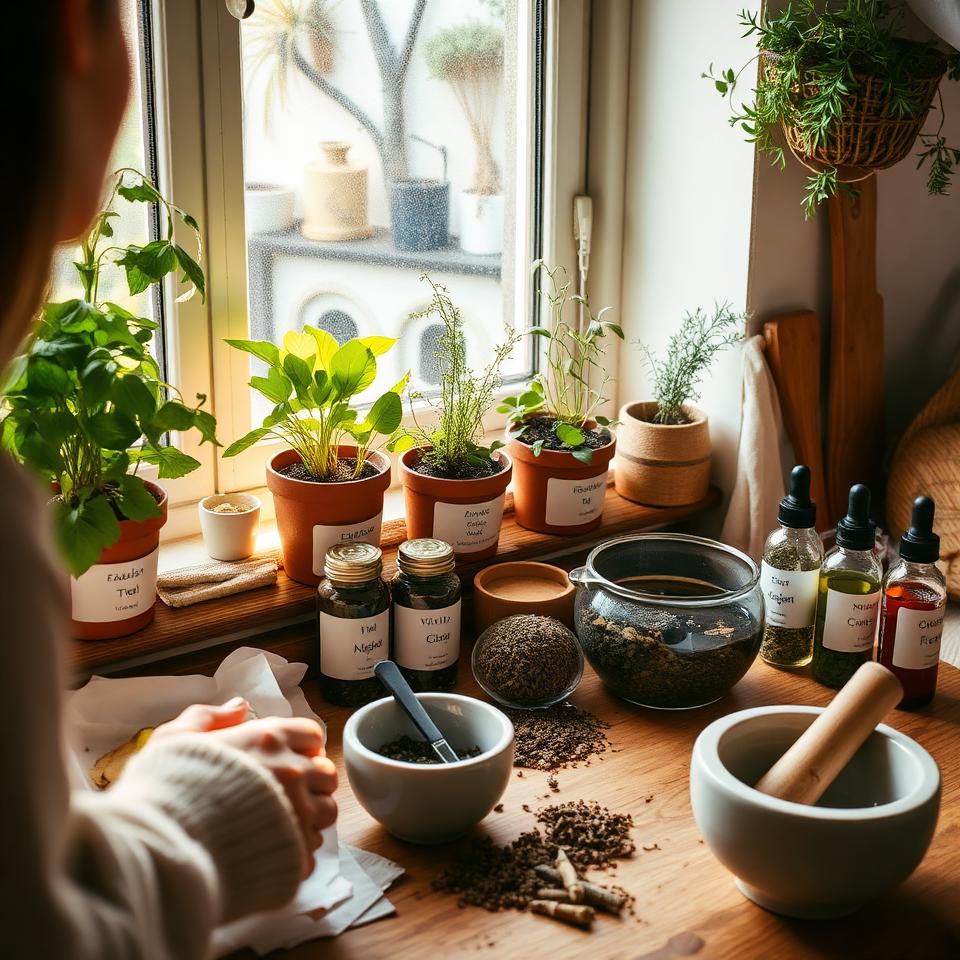
Proper preparation is crucial to ensure efficacy, safety, and stability of the plant's active constituents. This section explores common ways healing herbs are transformed into usable remedies.
Internal Use Preparations
These methods involve consuming the plant material or its extracts, allowing the active compounds to enter the bloodstream and act systemically.
- Teas (Infusions & Decoctions):
- Infusions: The most common method for delicate plant parts like leaves and flowers. Hot water is poured over the herbs and steeped for 5-15 minutes. This extracts volatile oils, vitamins, and some water-soluble compounds.
- Example: Chamomile tea for relaxation, Peppermint tea for digestion.
- Decoctions: Used for harder plant parts like roots, barks, and seeds. The herbs are simmered in water for a longer period (10-30 minutes) to extract tougher, more deeply embedded compounds.
- Example: Dandelion root decoction for liver support, Ginger root decoction for warmth and anti-nausea.
- Infusions: The most common method for delicate plant parts like leaves and flowers. Hot water is poured over the herbs and steeped for 5-15 minutes. This extracts volatile oils, vitamins, and some water-soluble compounds.
- Tinctures:
- These are concentrated liquid extracts made by soaking herbs in a solvent, typically alcohol (ethanol), but sometimes glycerin or vinegar. Alcohol is an excellent solvent for a wide range of plant compounds and also acts as a preservative. Tinctures are potent and have a long shelf life.
- Preparation: Herbs are steeped in alcohol for several weeks, then strained.
- Application: A few drops or milliliters are taken orally, often diluted in water.
- Example: Echinacea tincture for immune support, Valerian tincture for sleep.
- These are concentrated liquid extracts made by soaking herbs in a solvent, typically alcohol (ethanol), but sometimes glycerin or vinegar. Alcohol is an excellent solvent for a wide range of plant compounds and also acts as a preservative. Tinctures are potent and have a long shelf life.
- Capsules & Tablets:
- Dried and powdered herbs are encapsulated or pressed into tablets. This offers a convenient way to consume precise doses of herbs without their taste. They are popular for standardized extracts where specific active compounds are concentrated.
- Example: Turmeric capsules for inflammation, Milk Thistle tablets for liver health.
- Dried and powdered herbs are encapsulated or pressed into tablets. This offers a convenient way to consume precise doses of herbs without their taste. They are popular for standardized extracts where specific active compounds are concentrated.
- Syrups & Elixirs:
- Syrups: Herbal extracts mixed with sugar or honey, making them palatable, especially for children, and extending shelf life. Often used for coughs and sore throats.
- Example: Elderberry syrup for colds and flu, Licorice root syrup for coughs.
- Elixirs: Similar to tinctures but often contain both alcohol and sugar or honey, making them sweeter and sometimes less potent than pure tinctures.
- Syrups: Herbal extracts mixed with sugar or honey, making them palatable, especially for children, and extending shelf life. Often used for coughs and sore throats.
- Infused Oils:
- While often used externally, certain infused oils (like culinary herb oils) can be consumed for their medicinal benefits. Herbs are steeped in a carrier oil (e.g., olive, sunflower) over time.
- Example: Garlic-infused olive oil for cooking, Calendula-infused oil as a base for internal remedies in some traditions.
- While often used externally, certain infused oils (like culinary herb oils) can be consumed for their medicinal benefits. Herbs are steeped in a carrier oil (e.g., olive, sunflower) over time.
External Use Preparations
These applications are used directly on the skin or mucous membranes to target localized issues.
- Poultices:
- A fresh, crushed, or mashed plant material (often mixed with a little water or oil) applied directly to the skin. It's usually covered with a cloth to hold it in place.
- Application: Used for drawing out infections, reducing swelling, or soothing bites.
- Example: Plantain (Plantago major) leaf poultice for insect stings, Slippery Elm bark poultice for boils.
- A fresh, crushed, or mashed plant material (often mixed with a little water or oil) applied directly to the skin. It's usually covered with a cloth to hold it in place.
- Compresses:
- A cloth soaked in a strong herbal tea or diluted tincture, then applied to the affected area. Can be hot or cold depending on the condition.
- Application: Hot compresses for muscle aches and stiffness; cold compresses for inflammation and sprains.
- Example: Chamomile compress for irritated eyes, Arnica (Arnica montana) compress for bruises.
- A cloth soaked in a strong herbal tea or diluted tincture, then applied to the affected area. Can be hot or cold depending on the condition.
- Salves & Ointments:
- Herbal extracts (often from infused oils) mixed with a waxy base (like beeswax) to create a semi-solid topical preparation. They provide a protective barrier and deliver active compounds directly to the skin.
- Application: For cuts, scrapes, rashes, dry skin, muscle pain.
- Example: Calendula salve for skin healing, Comfrey (Symphytum officinale) ointment for sprains (with caution).
- Herbal extracts (often from infused oils) mixed with a waxy base (like beeswax) to create a semi-solid topical preparation. They provide a protective barrier and deliver active compounds directly to the skin.
- Essential Oils:
- Highly concentrated aromatic extracts derived from plants, typically through distillation. They are extremely potent and should almost always be diluted in a carrier oil (like jojoba or almond oil) before topical application. Some can be diffused for aromatic benefits.
- Caution: Never ingest essential oils unless under the direct guidance of a qualified aromatherapist or medical professional.
- Example: Lavender essential oil for relaxation, Tea Tree essential oil for antiseptic properties (diluted).
- Highly concentrated aromatic extracts derived from plants, typically through distillation. They are extremely potent and should almost always be diluted in a carrier oil (like jojoba or almond oil) before topical application. Some can be diffused for aromatic benefits.
- Baths & Washes:
- Adding strong herbal infusions or decoctions to bathwater, or using them as direct washes for skin conditions.
- Example: Oatmeal and Chamomile bath for itchy skin, Rosemary hair rinse for scalp health.
- Adding strong herbal infusions or decoctions to bathwater, or using them as direct washes for skin conditions.
Dosage, Safety, and Quality Control
The efficacy of medicinal plants hinges not just on proper preparation but also on correct dosage and an understanding of safety. Here's the deal: "natural" does not automatically mean "safe."
- Dosage: Varies significantly based on the plant, preparation method, individual's age, weight, health condition, and the specific ailment. Always start with a low dose and consult reliable sources or a qualified practitioner.
- Side Effects & Interactions: Medicinal plants can have side effects and interact with prescription medications or other herbs. For example, St. John's Wort (Hypericum perforatum) can interact with antidepressants and birth control. Liquorice (Glycyrrhiza glabra) can elevate blood pressure.
- Contraindications: Certain herbs are contraindicated during pregnancy, breastfeeding, or for individuals with specific medical conditions (e.g., blood thinners with high-dose Ginger).
- Quality Control: The potency and purity of herbal products can vary widely. Look for products from reputable manufacturers that conduct third-party testing for contaminants (pesticides, heavy metals) and verify active ingredient concentrations.
- Professional Guidance: It is highly recommended to consult with a qualified herbalist, naturopathic doctor, or healthcare provider knowledgeable in botanical medicine before embarking on a new herbal regimen, especially if you have existing health conditions or are taking medications.
06Cultivating Wellness: Growing Your Own Medicinal Garden
Growing your own medicinal plants is a deeply rewarding experience, offering fresh, potent herbs right at your fingertips and connecting you directly to nature's healing power. You don't need a sprawling estate; even a small balcony or windowsill can host a thriving collection of healing herbs.
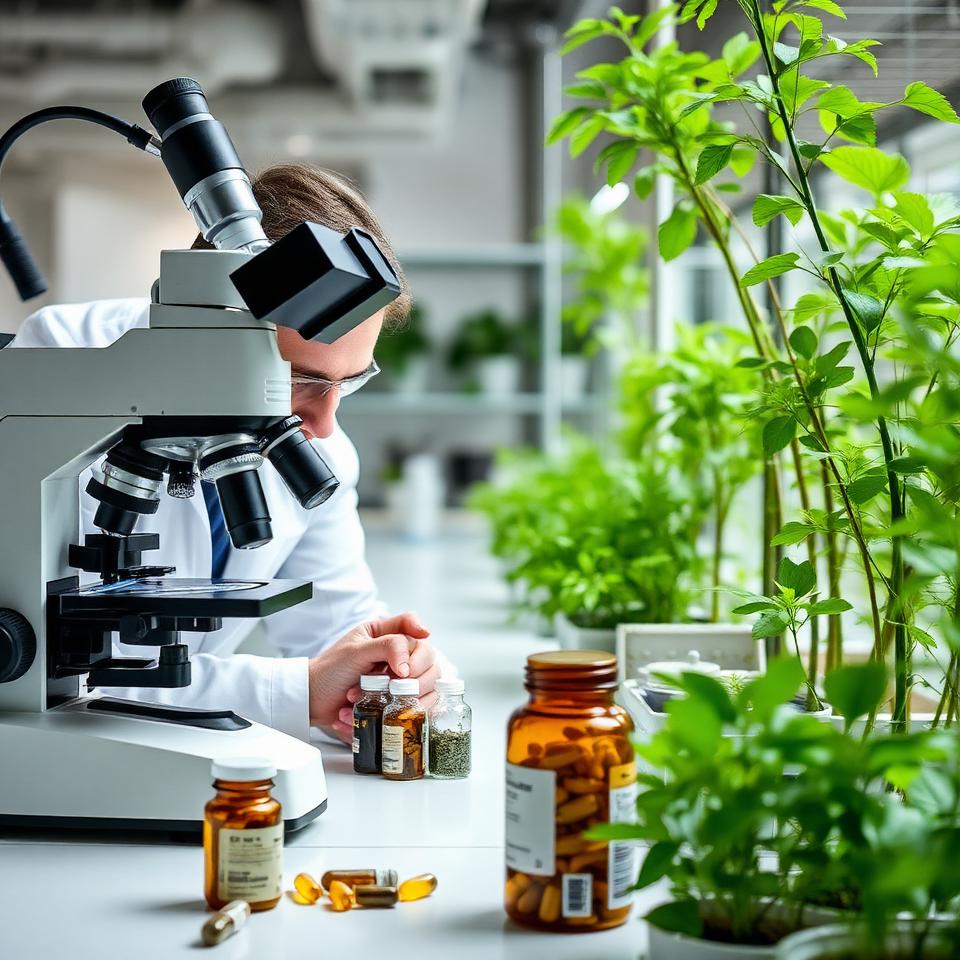
Starting a medicinal garden allows you to control the growing conditions, ensuring your plants are free from harmful pesticides and harvested at their peak potency. It's a journey into self-sufficiency and a deeper understanding of botanical life cycles.
Planning Your Medicinal Garden
- Assess Your Space:
- Sunlight: Most medicinal herbs thrive in full sun (6+ hours direct sunlight). Observe your chosen spot throughout the day.
- Soil: Well-draining soil is crucial. Many herbs prefer slightly sandy, loamy soil. Consider raised beds or pots if your native soil is heavy clay.
- Water Access: Ensure you have easy access to water.
- Size: Even a few pots on a patio or a small patch in the yard can be incredibly productive.
- Choose Your Herbs Wisely:
- Start with plants that are relatively easy to grow in your climate zone.
- Select herbs that address common ailments you or your family experience, or ones you're simply interested in learning more about.
- Research the specific needs of each plant (e.g., some prefer dry conditions, others more moisture).
- Consider Propagation:
- Seeds: Economical but require patience.
- Cuttings: A good way to propagate from existing plants.
- Starts/Seedlings: Most convenient for beginners, providing a head start.
Easy-to-Grow Medicinal Herbs for Beginners
To get you started, here are a few resilient and beneficial plants that generally do well for novice gardeners:
- Peppermint (Mentha × piperita):
- Needs: Partial sun to full sun, moist soil. Can be invasive, so best grown in pots.
- Uses: Digestive aid, headache relief, fresh breath.
- Chamomile (Matricaria chamomilla):
- Needs: Full sun, well-drained soil. Annual, but self-seeds readily.
- Uses: Relaxation, sleep aid, anti-inflammatory, digestive upset.
- Lavender (Lavandula angustifolia):
- Needs: Full sun, well-drained, even poor soil. Drought-tolerant once established.
- Uses: Relaxation, stress relief, antiseptic, insect repellent.
- Echinacea (Echinacea purpurea):
- Needs: Full sun, well-drained soil. Perennial.
- Uses: Immune support, cold and flu prevention/treatment.
- Calendula (Calendula officinalis):
- Needs: Full sun, average soil. Annual, but often self-seeds.
- Uses: Skin healing (cuts, scrapes, rashes), anti-inflammatory.
- Lemon Balm (Melissa officinalis):
- Needs: Partial sun to full sun, moist soil. Can spread, consider a pot.
- Uses: Calming, antiviral, digestive aid, mood enhancer.
Harvesting and Drying for Potency
The timing of harvest significantly impacts the potency of your medicinal herbs.
- Timing is Key:
- Leaves: Harvest before the plant flowers, typically in the morning after the dew has dried.
- Flowers: Harvest when they are fully open but before they begin to fade.
- Roots: Best harvested in autumn after the plant has died back, or in early spring before new growth begins, when their energy is concentrated underground.
- Seeds/Fruits: Harvest when fully ripe.
- Drying Methods:
- Air Drying: Tie small bundles of herbs and hang them upside down in a warm, dry, well-ventilated area away from direct sunlight. This preserves color and active compounds.
- Drying Racks: Place herbs in a single layer on screens or racks.
- Dehydrator: Use a food dehydrator on a low setting (below 100°F or 38°C) for faster drying, especially for roots or fruits.
- Storage:
- Once completely dry (they should snap, not bend), store herbs in airtight glass jars in a cool, dark place. Label with the herb name and date. Properly stored dried herbs can retain potency for 1-3 years.
Cultivating your own medicinal garden is a journey of discovery. It offers a tangible connection to the healing power of plants and a sustainable way to integrate herbal remedies into your daily life. For more detailed guides on specific plants, explore Flora Medical Global's extensive plant database.
07The Future of Herbal Medicine: Integration, Research, and Sustainability
Medicinal plants, far from being relics of the past, are experiencing a global resurgence, driven by a growing interest in natural health, scientific validation, and the urgent need for new therapeutic solutions. The future of herbal medicine lies in its thoughtful integration with conventional medicine, rigorous scientific research, and a steadfast commitment to sustainability.
This dynamic landscape is shaping how we view, research, and utilize these botanical treasures, promising a future where ancient wisdom and modern science can collaborate for global well-being.
Integration with Modern Medicine (CAM)
The trend is clear: medicinal plants are increasingly recognized within the broader framework of Complementary and Alternative Medicine (CAM). Many healthcare systems are exploring ways to integrate evidence-based herbal remedies alongside conventional treatments.
- Collaborative Care: Patients are seeking integrative practitioners who combine conventional diagnoses and treatments with herbal and nutritional therapies.
- Evidence-Based Herbalism: There's a growing demand for herbal medicine grounded in scientific evidence, leading to standardized extracts and a clearer understanding of efficacy and safety profiles.
- Pharmacist and Physician Education: Medical schools and pharmacy programs are starting to include modules on botanical medicine, equipping future practitioners with a more comprehensive understanding of herbal interactions and benefits.
For example, in Germany, certain herbal preparations are prescribed by doctors and covered by health insurance, highlighting a successful model of integration. This shift reflects a move away from the "either/or" mentality towards a more holistic, "both/and" approach to patient care.
Scientific Validation and Standardization
The scientific community is increasingly dedicated to understanding and validating the traditional uses of medicinal plants. This involves:
- Clinical Trials: Rigorous human clinical trials are being conducted to assess the safety and efficacy of specific herbal interventions for various conditions.
- Phytochemical Analysis: Advanced analytical techniques (e.g., HPLC, GC-MS) are used to identify and quantify the active compounds in plant extracts, leading to better standardization of herbal products.
- Mechanism of Action Studies: Researchers are delving into the cellular and molecular mechanisms by which plant compounds exert their therapeutic effects, building a scientific foundation for traditional knowledge.
- Drug Discovery: Plants remain a critical source for novel drug discovery. Over 50% of all drugs approved in the last 30 years are either natural products or derived from natural products. The discovery of artemisinin from Artemisia annua for malaria treatment is a prime example of a Nobel Prize-winning drug derived from traditional medicine.
The goal is to move beyond anecdotal evidence and establish a robust evidence base for the safe and effective use of medicinal plants, allowing for better regulation and acceptance within mainstream healthcare.
Conservation and Sustainability
The growing demand for medicinal plants, both for traditional use and pharmaceutical development, poses significant challenges to biodiversity and sustainability. The truth is: overharvesting, habitat destruction, and climate change threaten many valuable species.
- Overharvesting: Many wild-harvested medicinal plants, such as American Ginseng (Panax quinquefolius) and Slippery Elm (Ulmus rubra), are endangered due to unsustainable collection practices.
- Habitat Loss: Deforestation and urban development destroy crucial ecosystems where these plants thrive, reducing genetic diversity.
- Biopiracy: The unethical exploitation of indigenous knowledge without equitable benefit-sharing is a persistent concern, leading to calls for fair and transparent agreements.
To address these issues, crucial efforts are underway:
- Sustainable Cultivation: Promoting cultivation of medicinal plants (e.g., through agroforestry) instead of wild harvesting.
- Fair Trade and Ethical Sourcing: Encouraging practices that ensure fair wages for collectors and sustainable harvesting methods.
- Conservation Programs: Establishing botanical gardens, seed banks, and protected areas to conserve endangered medicinal plant species.
- Education and Awareness: Informing consumers about the importance of sustainable sourcing and the impact of their choices.
The future health of both humanity and the planet is intricately linked to how we manage and utilize our botanical resources. Responsible stewardship of medicinal plants is not just an ethical imperative but a practical necessity for continued innovation and well-being.
Explore more about sustainable practices and conservation efforts on our sustainable harvesting guide.
08FAQ: Your Questions About Medicinal Plants Answered
What is the difference between an herb and a medicinal plant?
While often used interchangeably, "herb" typically refers to a plant whose leaves, flowers, or stems are used for flavoring, food, medicine, or perfume, and which usually dies down to the ground after flowering. A "medicinal plant" is a broader term encompassing any plant (including trees, shrubs, and true herbs) that contains therapeutic substances in one or more of its parts. So, all herbs can be medicinal plants, but not all medicinal plants are herbs in the strict botanical sense.
Are medicinal plants safe to use?
Medicinal plants can be safe and effective when used appropriately. However, "natural" does not mean "harmless." Some plants can have potent effects, side effects, or interact with prescription medications. It is crucial to use them with knowledge, follow recommended dosages, and ideally, consult with a qualified healthcare professional or herbalist, especially if you have underlying health conditions, are pregnant, breastfeeding, or taking other medications.
How do medicinal plants actually work?
Medicinal plants work through their "phytochemicals" – biologically active compounds like alkaloids, flavonoids, terpenes, and glycosides. These compounds interact with the body's cells, tissues, and organs in various ways, such as reducing inflammation, fighting microbes, boosting immunity, or affecting the nervous system. Often, it's the synergistic action of multiple compounds within a plant that produces its therapeutic effect.
Can I use medicinal plants instead of prescription drugs?
In some cases, medicinal plants can support health and alleviate symptoms, and for mild conditions, they might be sufficient. However, for serious or chronic conditions, prescription drugs are often necessary and life-saving. It is never advisable to stop taking prescribed medication or self-treat a serious condition with herbs without consulting your doctor. Herbal medicine is best viewed as complementary or integrative medicine, working alongside conventional care.
How are medicinal plants prepared for use?
Medicinal plants are prepared in many ways. Common methods include: Infusions (teas for delicate parts like leaves/flowers), Decoctions (simmering for harder parts like roots/bark), Tinctures (alcohol extracts), Capsules/Tablets (dried powdered herbs), Syrups (herb extracts with sugar/honey), Salves/Ointments (topical applications), and Poultices/Compresses (direct application to skin).
Where can I find reliable information about medicinal plants?
Reliable information can be found from reputable botanical encyclopedias like Flora Medical Global, peer-reviewed scientific journals (e.g., Journal of Ethnopharmacology, Phytomedicine), books by qualified herbalists and ethnobotanists, and professional organizations (e.g., American Botanical Council). Always cross-reference information and be wary of unsupported claims.
What are some common medicinal plants I might already have?
Many common culinary herbs have medicinal properties! Examples include: Garlic (antimicrobial, immune support), Ginger (anti-inflammatory, anti-nausea), Turmeric (anti-inflammatory, antioxidant), Peppermint (digestive aid), Rosemary (antioxidant, cognitive support), and Thyme (antiseptic, expectorant).
Is it safe to wild-harvest medicinal plants?
Wild-harvesting can be rewarding but requires extensive knowledge and caution. You must be 100% certain of plant identification, as some medicinal plants have poisonous look-alikes. It's also vital to harvest sustainably, taking only a small portion and leaving enough for the plant to thrive. Begin with cultivated plants or join guided foraging tours before attempting it yourself.
What is an adaptogen?
An adaptogen is a class of medicinal plants that helps the body adapt to physical, chemical, or biological stress. They work by normalizing bodily functions and promoting homeostasis, enhancing the body's resilience without over-stimulating or depressing it. Examples include Ashwagandha, Rhodiola, and Ginseng.
How can I start growing my own medicinal garden?
Start small! Choose a sunny spot (even a few pots), ensure well-draining soil, and select easy-to-grow herbs like Chamomile, Mint, or Lavender. Research each plant's specific needs, and learn proper harvesting and drying techniques. This hands-on experience will deepen your understanding and provide fresh, potent remedies.
Are all parts of a medicinal plant usable?
No, not necessarily. Different parts of a plant (roots, leaves, flowers, bark, seeds, fruits) can have varying concentrations of active compounds, and some parts may even be toxic while others are therapeutic. Always refer to specific guidance for each plant to understand which parts are used and how.
What is standardization in herbal medicine?
Standardization in herbal medicine refers to the process of ensuring that a herbal product contains a consistent quantity of one or more active compounds or groups of compounds. This helps ensure product quality, efficacy, and reproducibility from batch to batch, allowing for more consistent dosing and predictable effects, similar to pharmaceutical drugs.
09What Are Medicinal Plants? A Complete Beginner's Guide to Healing Herbs & Their Uses: Conclusion
The journey through the world of medicinal plants reveals a profound connection between humanity and nature, a legacy of healing stretching back to our earliest ancestors. From the ancient wisdom etched into papyrus and passed down through generations to the cutting-edge scientific investigations of today, these botanical wonders continue to offer a powerful pathway to health and well-being.
Key Takeaways:
- Nature's Pharmacy: Medicinal plants are defined by their capacity to produce therapeutic substances, acting as both direct remedies and precursors for modern drugs.
- A Rich History: Herbal medicine is not new; it's a practice refined over millennia across diverse cultures, shaping human health long before modern medicine.
- The Science is Real: Their efficacy is rooted in phytochemistry and pharmacology, with complex secondary metabolites interacting synergistically with our bodies.
- Diverse Applications: From adaptogens to antimicrobials, and from roots to flowers, medicinal plants offer a spectrum of therapeutic actions and preparation methods.
- Empowerment Through Cultivation: Growing your own medicinal garden connects you directly to the source of healing, offering fresh, potent remedies and fostering a deeper appreciation for nature.
- A Future of Integration: The path forward involves integrating evidence-based herbal medicine with conventional care, driven by rigorous research, ethical sourcing, and sustainable practices.
As we continue to explore and understand these remarkable plants, Flora Medical Global remains committed to being your trusted resource. Embrace the wisdom of nature, but always do so with knowledge, respect, and a commitment to responsible use. The healing power of plants is a gift, and understanding it is the first step toward harnessing its full potential for a healthier future.
10Sources & Further Reading on What Are Medicinal Plants? A Complete Beginner's Guide to Healing Herbs & Their Uses
Authoritative sources and related guides:
- Wikipedia — background reference
- PubMed — peer-reviewed studies
- Kew POWO — botanical reference
- NCBI PMC — open-access research
- WHO — global health authority
Related on Flora Medical Global
Reviewed by the Flora Medical Global Botanical Review Panel
Multi-disciplinary editorial group · Botany · Ethnobotany · Herbal-medicine literature
Who reviewed this: This page was checked by the Flora Medical Global Botanical Review Panel — an in-house editorial group of botany graduates, ethnobotany researchers, and horticulture practitioners who collectively maintain our 7,000+ plant encyclopedia. Meet the team.
Our 4-step verification process
1. Taxonomic verification
Scientific names and synonyms cross-checked against Kew POWO, World Flora Online, and The Plant List.
2. Phytochemical & medicinal cross-reference
Active compounds, traditional uses, and reported activities are cross-referenced with PubMed, USDA Dr. Duke's database, and peer-reviewed ethnobotanical literature.
3. Conservation & distribution check
Distribution, ecology, and conservation status confirmed against GBIF occurrence records and the IUCN Red List.
4. Editorial & safety review
Every entry passes an editorial pass for clarity, originality, and safety notices (toxicity, contraindications, dosage caveats) before publication.
Last reviewed:
Important medical disclaimer: This content is for educational and research purposes only. It is not medical advice and is not a substitute for consultation with a licensed healthcare provider. Do not use any herb to self-treat a medical condition without professional guidance.
Explore Our Platforms
Comments (0)
No comments yet. Be the first!