7 Secrets to a Thriving Organic Garden
 Flora Medical GlobalPublished: 2/22/2026Updated: 6/16/202619 min read
Editorial Disclaimer: This article is for informational and educational purposes only. It is not a substitute for professional medical advice, diagnosis, or treatment. Always consult a qualified healthcare provider or certified herbalist before using any plant for medicinal purposes, especially if you are pregnant, nursing, taking medication, or have a medical condition.
Organic gardening isn't merely a fleeting trend; it's a profound reconnection to the ancient wisdom of cultivation, mirroring practices perfected over millennia by various civilizations. By embracing nature's intricate systems, gardeners can cultivate not only more vibrant and flavorful produce but also nurture dynamic soil ecosystems that enhance fertility and resilience year after year.
01Cultivating an Organic Garden: The Foundation
The secret to laying a solid foundation for your organic garden lies in prioritizing soil health above all else. This approach recognizes that vibrant plants are merely an outward expression of a thriving, microorganism-rich subterranean world.
Secret #1: Build Your Soil First
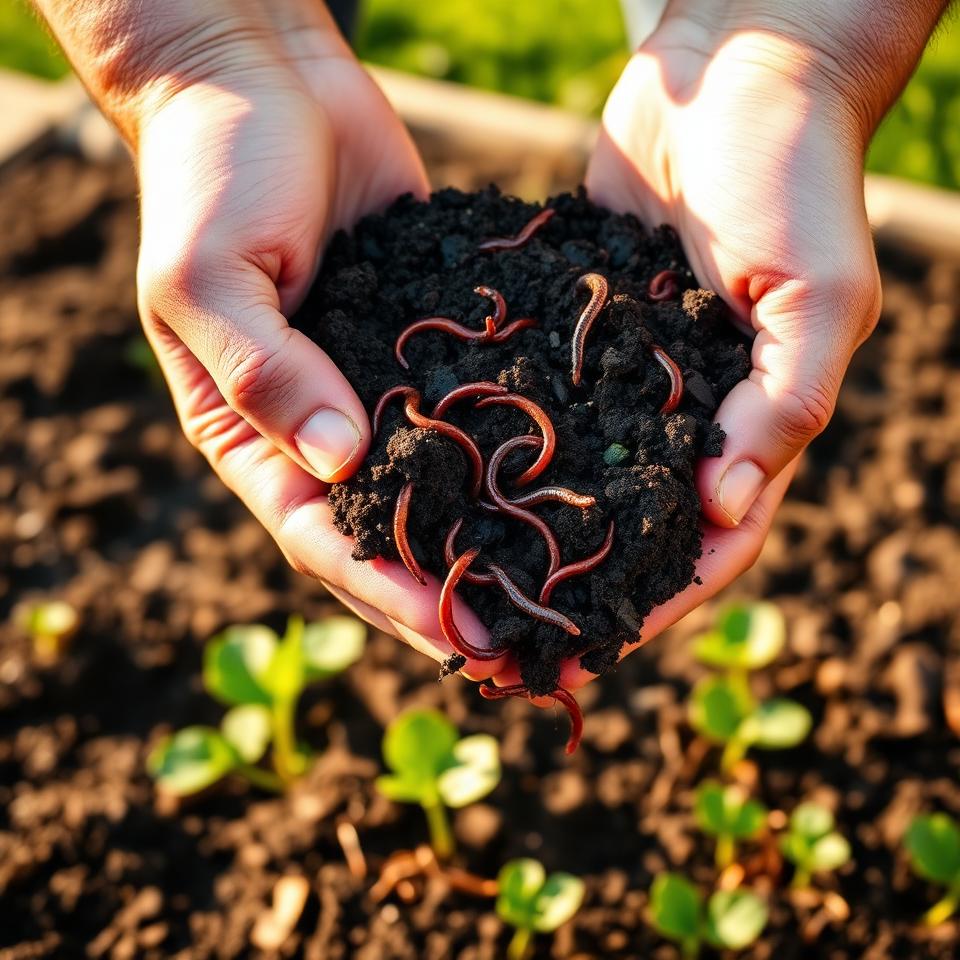
The cornerstone of any flourishing organic garden is undeniably healthy, living soil, acting as the primary nutrient reservoir and biological hub. Incorporating 2-3 inches of high-quality compost into your garden beds seasonally enriches the substrate with essential organic matter, thereby fostering billions of beneficial microorganisms.
These minuscule allies are vital; they meticulously decompose organic materials, transforming them into bioavailable nutrients that your plants can readily assimilate. Furthermore, these microbial communities improve soil structure, enhancing aeration and water retention, which are critical for root development and overall plant vigor. Indeed, a study published in the journal Nature Communications in 2021 highlighted the direct correlation between soil microbial diversity and agricultural productivity.
Pro Tip: Before you even plant a seed, invest a modest sum in a comprehensive soil test from your local agricultural extension office. For typically under $20-$30, this test provides a precise blueprint of your soil's nutritional profile and pH, guiding you toward targeted, rather than haphazard, amendments.
Secret #2: Master Companion Planting
Companion planting is a time-honored horticultural strategy where specific plants are strategically positioned together to mutually benefit each other's growth, health, and productivity. This symbiotic relationship can manifest in various ways, such as deterring pests, attracting beneficial insects, improving soil conditions, or even enhancing flavor profiles.
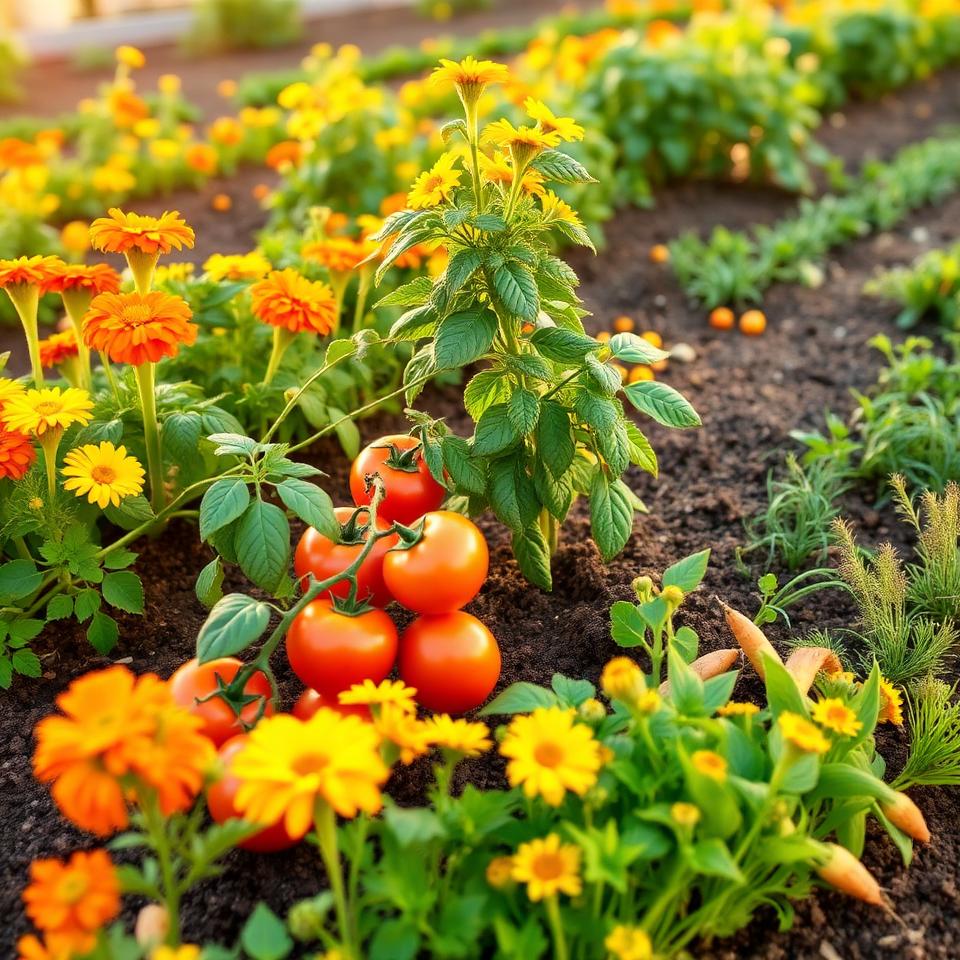
For instance, planting sweet basil (Ocimum basilicum) near tomatoes (Solanum lycopersicum) not only reputedly enhances the tomato's flavor but also acts as a natural deterrent against common pests like aphids (Aphididae) and tomato hornworms (Manduca quinquemaculata). Marigolds (Tagetes spp.), particularly French marigolds (Tagetes patula) and African marigolds (Tagetes erecta), are celebrated for releasing biochemicals from their roots that effectively repel nematodes and whiteflies, protecting a wide range of garden crops. The science behind this involves allelopathy, where one plant produces biochemicals that influence the growth, survival, and reproduction of other organisms.
Classic Combinations & Their Benefits:
- Tomatoes + Basil: Pest deterrence (aphids, hornworms), flavor enhancement.
- Carrots + Onions: Onion's strong scent deters carrot rust flies; carrots break up soil for onion bulbs.
- Beans + Corn + Squash (The Three Sisters): A classic Indigenous American strategy. Corn provides a stalk for beans to climb, beans fix nitrogen in the soil for heavy-feeding corn, and squash vines spread to shade the soil, conserving moisture and deterring weeds.
- Roses + Garlic: Garlic's sulfur compounds repel aphids and other pests from roses, and some believe it enhances the fragrance of the roses.
- Potatoes + Horseradish: Horseradish can protect potatoes from Colorado potato beetles.
- Nasturtiums + Brassicas (Cabbage, Broccoli): Nasturtiums act as a trap crop, attracting aphids and cabbage worms away from valuable brassica plants.
Secret #3: Compost Everything
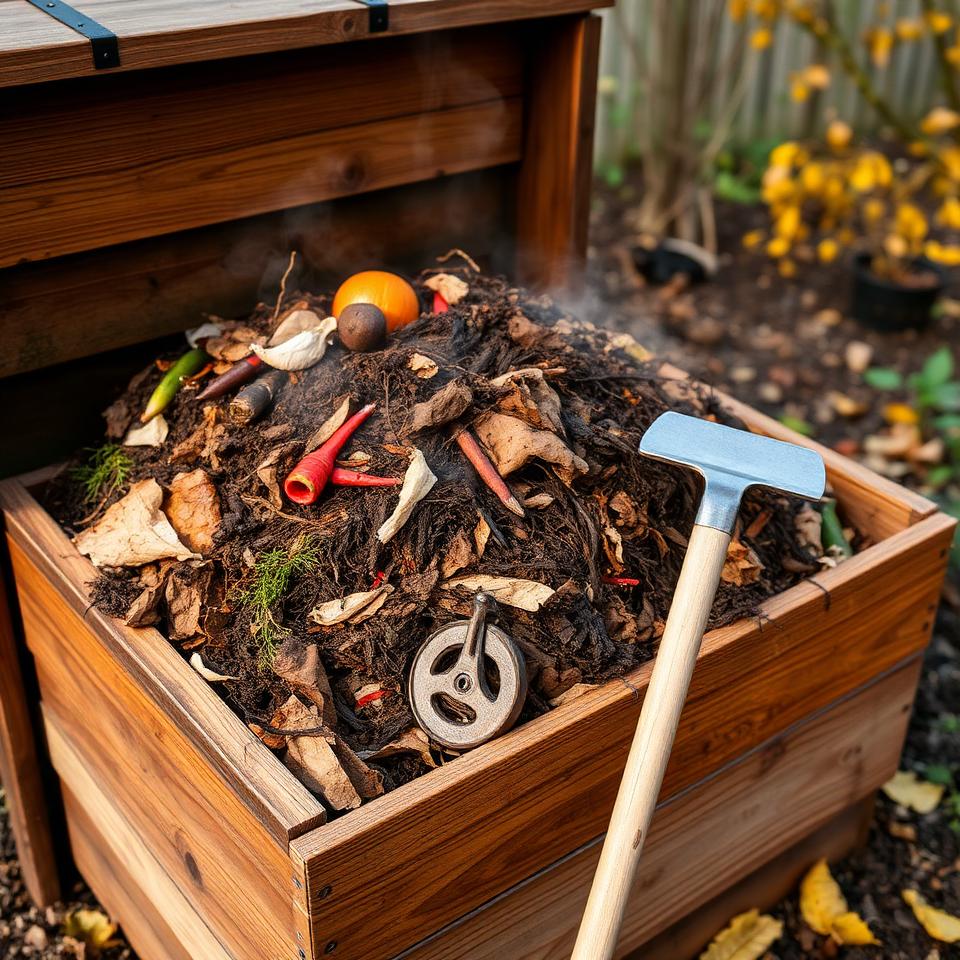
Composting is the quintessential practice in organic gardening, transforming kitchen scraps, yard waste, and other organic materials into "black gold"—a rich, nutrient-dense soil amendment. This process not only diverts waste from landfills, reducing environmental burden, but also creates a valuable resource that significantly benefits your garden's health and fertility.
A well-maintained compost pile, ideally achieving temperatures between 130°F and 160°F (54-71°C) for several days, ensures pathogens are killed and weed seeds are neutralized. This thermal activity is crucial for producing safe and effective compost. Regular aeration and proper moisture levels are key to accelerating decomposition and preventing anaerobic conditions that lead to unpleasant odors. By composting, you're essentially recycling nutrients back into your garden ecosystem, closing the loop on a sustainable cycle.
What to Compost (Greens & Browns):
- Greens (Nitrogen-rich): Fruit and vegetable scraps, coffee grounds, tea bags, grass clippings, fresh plant trimmings.
- Browns (Carbon-rich): Dried leaves, straw, wood chips, shredded newspaper, cardboard, sawdust.
Aim for a carbon-to-nitrogen ratio of approximately 30:1 for optimal decomposition efficiency. This balance ensures a thriving microbial population that quickly breaks down organic matter.
02Sustainable Practices for a Flourishing Ecosystem
Beyond individual plants, an organic garden thrives as a holistic ecosystem. Implementing sustainable practices fosters biodiversity, minimizes resource use, and builds resilience against common gardening challenges.
Secret #4: Practice Smart Watering
Efficient and targeted watering is paramount in organic gardening, conserves a vital resource, and promotes deeper, more resilient root growth. Overwatering can lead to shallow roots, nutrient leaching, and fungal diseases, while underwatering stresses plants, making them more susceptible to pests.
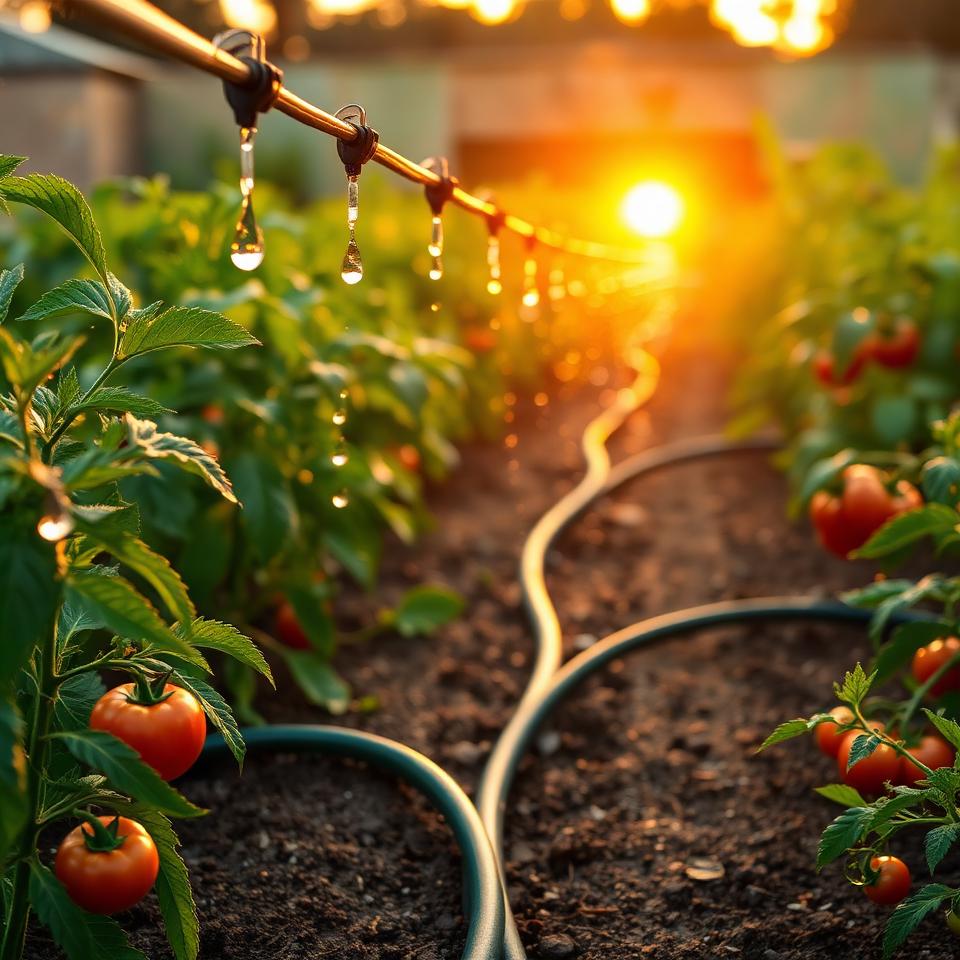
Drip irrigation systems or soaker hoses deliver water directly to the root zone, minimizing evaporation and ensuring maximum absorption. Applying 1-2 inches of water per week, especially during dry spells, is a general guideline, but this can vary significantly based on soil type, plant needs, and climate. Observing your plants for signs of stress and checking soil moisture with a finger or moisture meter will help you fine-tune your watering schedule. Watering deeply and less frequently encourages roots to grow deeper, making plants more drought-tolerant. A 2018 study published in the Journal of Horticultural Science & Biotechnology confirmed that precise irrigation improved water use efficiency by up to 40% in vegetable crops.
Secret #5: Encourage Beneficial Insects
Rather than reaching for synthetic pesticides, a cornerstone of organic pest control involves inviting natural predators to your garden. These beneficial insects, often small and unassuming, play a crucial role in maintaining ecological balance by preying on or parasitizing common garden pests.
Creating a habitat that supports these allies is simple yet profoundly effective. Planting a diverse array of flowering plants, especially those with small, open flowers, provides nectar and pollen sources for adult beneficial insects. Examples include dill (Anethum graveolens), cilantro (Coriandrum sativum), cosmos (Cosmos bipinnatus), and coreopsis (Coreopsis spp.). Constructing an "insectary"—a dedicated area of pollinator-friendly plants—will significantly boost your garden's natural pest control mechanisms. A study from the University of California, Davis, demonstrated that increasing habitat for beneficial insects reduced aphid populations by over 50% in nearby crops.
Key Beneficial Insects & Their Prey:
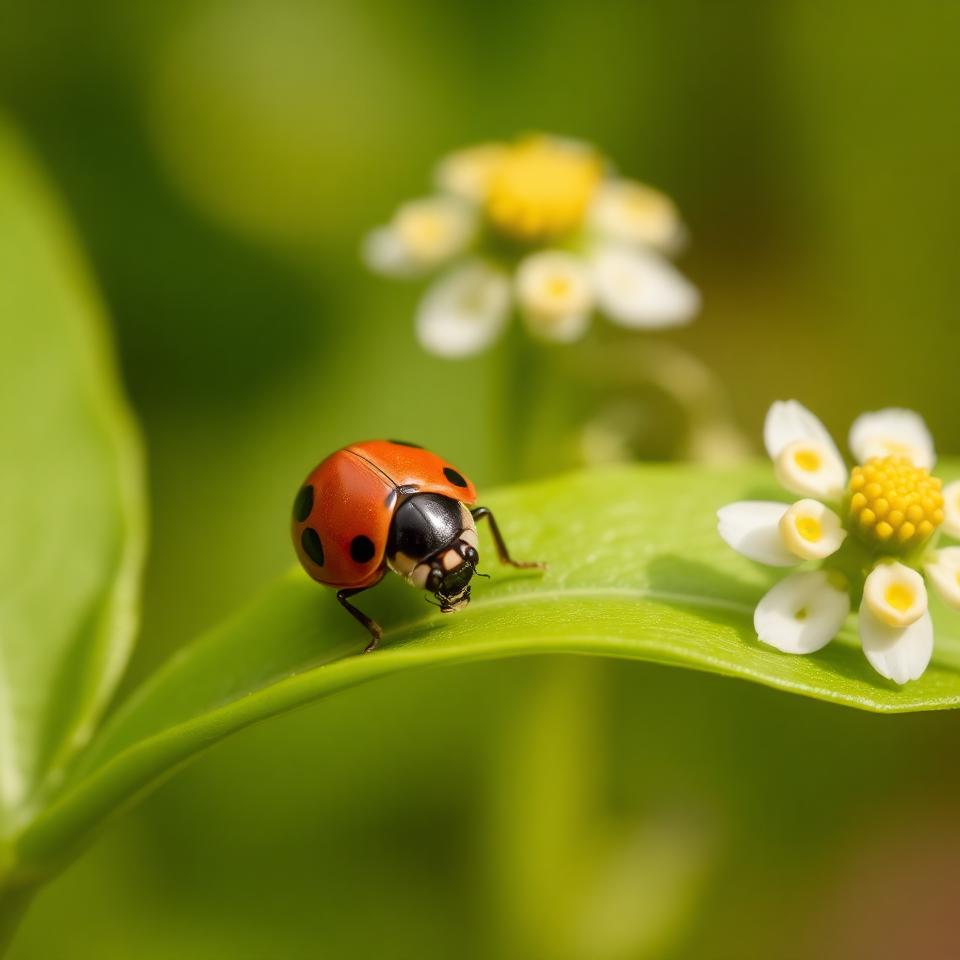
- Ladybugs (Coccinellidae): Voracious eaters of aphids, scale insects, and mites.
- Lacewings (Chrysopidae): Larvae (known as "aphid lions") consume aphids, mealybugs, and spider mites.
- Hoverflies (Syrphidae): Their larvae prey on aphids and other soft-bodied insects.
- Parasitic Wasps (various families): Lay eggs inside or on pests like aphids, caterpillars, and whiteflies, effectively sterilizing and killing them.
- Ground Beetles (Carabidae): Nocturnal predators that feed on slugs, snails, cutworms, and other soil-dwelling pests.
Secret #6: Rotate Your Crops
Crop rotation is a foundational practice in organic farming and home gardening, designed to break pest and disease cycles while optimizing soil nutrient availability. Planting the same crop in the same spot year after year depletes specific nutrients and allows host-specific pests and pathogens to build up in the soil.
The principle involves dividing your garden into sections and rotating different plant families through these sections over a three-to-four-year cycle. For example, following a heavy feeder like corn with a nitrogen-fixing legume like beans revitalizes the soil naturally. Then, a root crop like carrots can follow, which benefits from improved soil structure. This method significantly reduces the incidence of soil-borne diseases such as verticillium wilt (Verticillium dahliae) and pest populations like the squash vine borer (Melittia cucurbitae). Research published in Organic Agriculture in 2015 showed that proper crop rotation can reduce disease incidence by 30-50% and increase yields by 10-20% over monocropping.
A Simple 4-Year Crop Rotation Plan:
- Year 1: Legumes (Nitrogen Fixers): Beans, peas, clover.
- Year 2: Leafy Greens & Brassicas (Heavy Nitrogen Feeders): Lettuce, spinach, cabbage, broccoli, kale.
- Year 3: Root Crops (Moderate Feeders, Improve Soil Structure): Carrots, potatoes, beets, radishes.
- Year 4: Fruit: bearing Crops (Diverse Nutrient Needs): Tomatoes, peppers, squash, cucumbers.
For more detailed information on specific plant families and their rotational needs, consider exploring resources from your local agricultural university extension or publications on sustainable horticulture.
Secret #7: Embrace Cover Cropping and Mulching
Cover cropping and mulching are two symbiotic practices that significantly enhance soil health, suppress weeds, conserve moisture, and regulate soil temperature. They are indispensable for mimicking nature's continuous soil protection mechanisms.
Cover Cropping: These "living mulches" are plants grown to cover the soil rather than for harvest. Planted during off-seasons or between cash crops, they prevent soil erosion, add organic matter when tilled under (green manure), fix atmospheric nitrogen (leguminous cover crops like crimson clover – Trifolium incarnatum), and scavenge residual nutrients. For instance, winter rye (Secale cereale) is excellent for suppressing weeds and preventing nutrient leaching over winter. Studies indicate that cover cropping can reduce soil erosion by over 75% and increase soil organic matter by 0.5-1% annually.
Mulching: Applying a layer of organic material (straw, wood chips, shredded leaves, compost) to the soil surface acts as a protective blanket. A 2-4 inch layer of mulch significantly suppresses weed growth by blocking sunlight, reduces soil temperature fluctuations, and drastically cuts down on moisture evaporation, often reducing watering needs by 30-50%. Mulch also slowly decomposes, contributing to the soil's organic matter and feeding beneficial soil organisms. Be sure to keep mulch a few inches away from plant stems to prevent rot and pest harborage.
03Advanced Organic Gardening Techniques
Ready to take your organic garden to the next level? These advanced techniques offer even greater returns in terms of soil fertility, plant health, and ecological resilience.
Secret #8: Implement No-Dig or No-Till Gardening
No-dig or no-till gardening is a revolutionary approach that fundamentally shifts how we interact with the soil, advocating for minimal disturbance to preserve its delicate structure and complex ecosystem. Instead of traditional digging or tilling, which disrupts soil aggregates and harms microbial networks, this method builds upwards. Layers of organic matter are added directly to the soil surface, mimicking how natural forest floors build rich, fertile soil.
This technique enhances soil structure, increases water infiltration and retention, fosters robust populations of earthworms and beneficial fungi, and sequesters carbon more effectively. Over time, it dramatically reduces weed pressure and leads to effortlessly soft, crumbly soil requiring less physical effort. A long-term study conducted by the Rodale Institute demonstrated that no-till organic systems can achieve comparable or even higher yields than conventional tillage after a few transition years, especially under drought conditions, due to superior soil moisture retention.
How to Start a No-Dig Bed:
- Lay a Barrier: Start with a layer of flattened cardboard directly over the existing ground (even weeds). Wet it thoroughly.
- Add Organic Layers: Alternate layers of "greens" (nitrogen-rich materials like fresh grass clippings, kitchen scraps) and "browns" (carbon-rich materials like dried leaves, straw, wood chips).
- Top with Compost: Finish with a 4-6 inch layer of high-quality finished compost. You can plant directly into this compost layer.
- Maintain: Continuously add thin layers of compost and organic mulch to the surface each season.
Secret #9: Cultivate Biodiversity Beyond Edibles
A truly resilient organic garden transcends a monoculture of food crops; it thrives as a diverse ecosystem where every plant plays a role. Integrating a wide array of non-edible plants—notably native plants and flowering herbs—significantly enhances ecological services, creating a more stable and self-sustaining environment.
Native plants, adapted to your specific climate and soil, require less water and maintenance while providing essential habitat and food for local pollinators (bees, butterflies, moths) and beneficial insects. Their root systems also often create deeper soil channels. Flowering herbs like lavender (Lavandula angustifolia), rosemary (Salvia rosmarinus), and borage (Borago officinalis) attract these beneficials, confuse pests with their strong aromas, and can even have medicinal uses around the home. This biodiversity contributes to a healthier soil food web, improved nutrient cycling, and increased resilience against pest outbreaks and environmental stresses. Diverse gardens can support up to 30% more insect biodiversity than monoculture systems, as reported by entomological studies.
Benefits of Biodiversity:
- Pollination: Ensures fruit set for edible crops.
- Pest Control: Provides shelter and food for natural predators.
- Soil Health: Diverse root structures improve soil aeration and aggregation.
- Ecosystem Services: Attracts birds, frogs, and other wildlife that further aid in pest control.
- Aesthetics: Creates a beautiful and enjoyable space.
Secret #10: Practice Mindful Observation and Record Keeping
The most powerful tool in an organic gardener's arsenal is not a specific technique but rather the consistent practice of mindful observation and meticulous record-keeping. Your garden is a living laboratory, and truly understanding its rhythms, challenges, and successes requires active engagement and documentation.
Regularly walk through your garden, observing plant health, monitoring for early signs of pests or diseases, noting successful plant pairings, and identifying suboptimal growing conditions. Keep a garden journal to record planting dates, seed varieties, harvest yields, weather patterns, pest infestations, and effective remedies. This empirical data becomes an invaluable reference, allowing you to learn from experience, make informed decisions in subsequent seasons, and continually refine your organic practices. This iterative process of observation, action, and reflection is what truly transforms a good gardener into an exceptional one. For instance, detailed records can help identify patterns, such as a specific pest consistently appearing after a certain weather event, allowing for proactive, rather than reactive, interventions.
04Advanced Techniques & Natural Pest Management Deep Dive
For those ready to delve deeper, organic gardening offers sophisticated solutions for maintaining plant health and managing pests and diseases without chemical intervention. These methods focus on understanding ecological principles and supporting natural processes.
Explore Our Platforms
 InfiniCore DataWorks
 Nex-Automata
Secret #11: Embrace Fermented Plant Extracts (FPEs) and Teas
Fermented Plant Extracts (FPEs), also known as "compost teas" or "nutrient teas," are liquid tonics derived from steeping or fermenting organic materials, rich in beneficial microorganisms and readily available nutrients. These aren't just passive fertilizers; they're active biological inoculants that boost plant immunity and soil vitality.
FPEs introduce a diverse consortium of beneficial bacteria, fungi, and other microbes directly to the plant's rhizosphere (root zone) and foliage. This microbial activity enhances nutrient uptake, suppresses pathogenic organisms, and strengthens the plant's natural defenses. For example, a properly brewed compost tea can introduce millions of beneficial microbes per milliliter. Applying these teas as a foliar spray helps prevent fungal diseases like powdery mildew by colonizing leaf surfaces with beneficial microbes that outcompete pathogens. For a deeper dive into crafting these powerful brews, resources like Dr. Elaine Ingham's work on soil food webs offer excellent guidance.
Basic Compost Tea Recipe:
- Ingredients: Finished compost, non-chlorinated water, an air pump and airstone (for aerobic brewing), molasses (microbial food).
- Method: Place compost in a mesh bag (or old pantyhose) in a bucket of water. Add a tablespoon of molasses. Aerate continuously for 24-48 hours.
- Application: Dilute (often 1:10) and apply as a soil drench or foliar spray. Use within a few hours of brewing.
Secret #12: Understand and Utilize Mycorrhizal Fungi
Mycorrhizal fungi form a critically important symbiotic relationship with approximately 90% of all plant species, acting as an extension of the plant's root system. These microscopic fungi colonize plant roots, creating a vast underground network of hyphae that dramatically expands the plant's effective root surface area.
This partnership is a prime example of mutualism: the fungi receive carbohydrates from the plant, while in exchange, they facilitate the uptake of water and essential nutrients, particularly phosphorus and immobile trace minerals, that would otherwise be inaccessible to the plant. Mycorrhizal networks also improve soil structure, increase plant resilience to drought and disease, and enhance overall nutrient cycling within the soil. Research published in New Phytologist has shown that plants inoculated with mycorrhizal fungi can exhibit up to 30% greater drought tolerance and significantly improved nutrient acquisition. Many organic gardening products now include mycorrhizal inoculants, especially beneficial for transplants.
Secret #13: Implement Integrated Pest Management (IPM) Holistically
Integrated Pest Management (IPM) in an organic context is not about elimination, but about managing pest populations to acceptable levels through a combination of strategies, with chemical pesticides as the absolute last resort, and even then, only using OMRI-listed organic options. It's a comprehensive, ecological approach that emphasizes prevention and natural controls.
The core of organic IPM involves understanding the life cycles of both pests and their natural enemies, then using cultural, biological, and physical controls in a layered approach. This includes choosing resistant varieties, proper plant spacing, timely planting, attracting beneficial insects (link to Attracting Pollinators blog post), using physical barriers (row covers), hand-picking larger pests, and applying targeted organic sprays (neem oil, insecticidal soap) only when necessary and after careful identification. For a deeper dive into pest identification, the Cornell University's New York State IPM Program offers extensive resources. The emphasis is always on ecological disruption to the pest's lifecycle rather than brute force. For example, simply removing the first few leaves of a squash plant that show signs of powdery mildew can prevent the disease from spreading, rather than waiting until it needs a treatment.
| IPM Strategy Level | Examples in Organic Gardening | Impact |
|---|---|---|
| Prevention/Cultural | Crop rotation, resistant varieties, healthy soil, proper spacing, companion planting. | Builds plant vigor, avoids pest/disease buildup. Most effective and sustainable. |
| Physical/Mechanical | Hand-picking, row covers, traps (sticky traps, pheromone traps), weed barriers. | Direct removal or exclusion of pests. Labor-intensive but targeted. |
| Biological | Attracting/releasing beneficial insects (ladybugs, lacewings), promoting mycorrhizae. | Uses natural enemies to control pest populations. Self-sustaining over time. |
| Organic Chemical (Last Resort) | Neem oil, insecticidal soap, Bacillus thuringiensis (Bt), pyrethrins (OMRI-listed). | Targeted treatments for specific pest outbreaks. Lower environmental impact than synthetics. |
05FAQs: Your Organic Gardening Questions Answered
What is the biggest difference between organic and conventional gardening?
The most significant difference lies in their fundamental philosophies: organic gardening focuses on building a thriving soil ecosystem and working with natural processes, eschewing synthetic pesticides, herbicides, and fertilizers. Conventional gardening primarily relies on these synthetic inputs for rapid growth and pest control, often at the expense of long-term soil health and biodiversity.
How long does it take to convert a conventional garden to organic?
While you can start implementing organic practices immediately, establishing a fully "organic" garden with rich, balanced soil and a stable ecosystem typically takes 1-3 years. The first year involves detoxifying synthetic residues and building initial soil organic matter, with subsequent years deepening the soil food web and natural resilience.
Are organic vegetables more nutritious?
Scientific studies on the superior nutritional content of organic versus conventional produce have yielded mixed results, with some showing higher levels of certain vitamins, minerals, and antioxidants in organic options, while others find no significant difference. However, organic produce consistently has lower levels of pesticide residues, a benefit supported by multiple studies, including one published in the British Journal of Nutrition in 2014.
What are the essential tools for an organic gardener?
Essential tools include a sturdy digging fork, a broadfork (for no-till), a good quality trowel, hand pruners, a sharp hoe, a watering can or soaker hose, and a wheelbarrow or garden cart. A soil pH testing kit is also incredibly helpful for maintaining optimal conditions.
Can I grow organically in containers?
Absolutely! Container gardening is an excellent way to grow organically, especially for beginners or those with limited space. Use high-quality organic potting mix, ensure adequate drainage, and regularly replenish nutrients with compost top-dressings or organic liquid fertilizers. Many herbs, leafy greens, and even smaller fruiting plants like determinate tomatoes thrive in containers.
How do I organic-certify my home garden?
Home gardens typically do not need to be officially certified organic. Organic certification is primarily for commercial operations selling produce. For home gardeners, the focus is on adopting organic practices for personal health and environmental benefit, adhering to the same principles as certified farms.
What if I have severe pest problems?
For severe pest issues, first identify the pest correctly. Then, employ integrated pest management (IPM) strategies: enhance beneficial insect populations, use physical barriers, hand-pick, and as a last resort, use OMRI (Organic Materials Review Institute)-listed organic pesticides like neem oil, insecticidal soap, or Bacillus thuringiensis (Bt) for caterpillars. Always remember that a few pests are normal and even beneficial, as they provide food for predators.
Is organic gardening more expensive?
Initially, setting up an organic garden might involve investments in compost, organic amendments, and potentially more diverse seeds or plants. However, in the long run, organic gardening can be more cost-effective as you build soil fertility, reduce reliance on recurring synthetic inputs, and often save money on purchasing produce. Composting your own waste also provides a free, continuous supply of soil amendment.
What is the best way to get started with organic gardening for a beginner?
Start small! Choose a manageable plot size, focus on improving your soil with compost, and select easy-to-grow organic vegetables like leafy greens (lettuce, spinach), radishes, or bush beans. Observe your garden daily and learn from your successes and challenges. Don't be afraid to experiment!
How do I deal with weeds organically?
Organic weed control relies on prevention and persistence. Techniques include consistent mulching (2-4 inches deep), hand-weeding, competitive planting (densely planting crops so weeds have less space), and using cover crops. For perennial weeds, persistent removal of roots is key. Never let weeds go to seed, as one weed can produce thousands of offspring.
What is the role of pH in organic gardening?
Soil pH (potential of hydrogen) is a crucial chemical property that determines the availability of nutrients to plants. Most vegetables prefer a slightly acidic to neutral pH (6.0-7.0). In organic gardening, maintaining optimal pH is achieved through careful amendment with organic materials like compost, peat moss (to lower pH), or wood ash/limestone (to raise pH), guided by annual soil tests. (link to Plant Nutrients & pH blog post)
Can organic gardening help mitigate climate change?
Yes, organic gardening contributes significantly to climate change mitigation. By building healthy soil rich in organic matter, it sequesters atmospheric carbon dioxide, transforming it into stable soil carbon. Reduced reliance on synthetic fertilizers (which are energy-intensive to produce) and pesticides further lowers the carbon footprint compared to conventional methods. It also promotes local food systems, reducing transportation emissions.
067 Secrets to a Thriving Organic Garden: Conclusion
Embarking on the journey of organic gardening is more than just a method of growing; it's a philosophy—a commitment to fostering life, both above and below the soil. By embracing these core principles, you don't just cultivate plants; you co-create a vibrant, resilient ecosystem that gives back immeasurably.
The essence of organic success lies in a deep respect for natural cycles, a willingness to observe and learn, and a steadfast commitment to nurturing the soil as the living foundation of your garden. Remember, every handful of compost, every beneficial insect attracted, and every natural cycle respected contributes to a healthier garden, a healthier environment, and ultimately, healthier you.
So, roll up your sleeves, dig in, and witness the profound transformation that occurs when you truly work with nature, not against it. Your garden, and the planet, will thank you.
07Sources & Further Reading on 7 Secrets to a Thriving Organic Garden
Authoritative sources and related guides:
- Wikipedia — background reference
- PubMed — peer-reviewed studies
- Kew POWO — botanical reference
- NCBI PMC — open-access research
- WHO — global health authority
Related on Flora Medical Global
Reviewed by the Flora Medical Global Botanical Review Panel
Multi-disciplinary editorial group · Botany · Ethnobotany · Herbal-medicine literature
Who reviewed this: This page was checked by the Flora Medical Global Botanical Review Panel — an in-house editorial group of botany graduates, ethnobotany researchers, and horticulture practitioners who collectively maintain our 7,000+ plant encyclopedia. Meet the team.
Our 4-step verification process
1. Taxonomic verification
Scientific names and synonyms cross-checked against Kew POWO, World Flora Online, and The Plant List.
2. Phytochemical & medicinal cross-reference
Active compounds, traditional uses, and reported activities are cross-referenced with PubMed, USDA Dr. Duke's database, and peer-reviewed ethnobotanical literature.
3. Conservation & distribution check
Distribution, ecology, and conservation status confirmed against GBIF occurrence records and the IUCN Red List.
4. Editorial & safety review
Every entry passes an editorial pass for clarity, originality, and safety notices (toxicity, contraindications, dosage caveats) before publication.
Last reviewed:
Explore Our Platforms
Comments (0)
No comments yet. Be the first!