Bean Bush: Planting, Care & Garden Tips
 Flora Medical GlobalPublished: 4/10/2026Updated: 6/16/202620 min read
Editorial Disclaimer: This article is for informational and educational purposes only. It is not a substitute for professional medical advice, diagnosis, or treatment. Always consult a qualified healthcare provider or certified herbalist before using any plant for medicinal purposes, especially if you are pregnant, nursing, taking medication, or have a medical condition.
01What is Bean Bush?
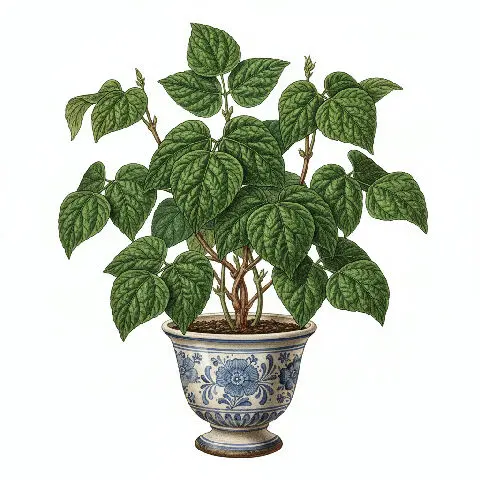
Phaseolus vulgaris, universally known as the common bean or bush bean, is a profoundly significant herbaceous annual plant within the Fabaceae family, cultivated globally for its versatile edible components, including dry seeds, green pods, and young leaves.
A good article on Bean Bush should not stop at one-line claims. Readers need taxonomy, habitat, safety, cultivation, and evidence in the same place so they can make sound decisions.
Use this guide as a practical reference, then compare it with the detailed plant profile at https://www.floramedicalglobal.com/garden-plants/bean-bush whenever you want to confirm the source page itself.
- Global dietary staple, rich in protein, fiber, and micronutrients.
- Contains alpha-amylase inhibitors, beneficial for weight management and blood sugar control.
- Raw beans are toxic due to lectins
- Thorough cooking is critical for safety.
- Supports digestive health, cardiovascular function, and provides antioxidant protection.
- Caution advised for individuals on diabetes medication and during pregnancy/breastfeeding.
02Bean Bush Botanical Profile
Bean Bush should be anchored to the correct taxonomic identity before any discussion of care, use, or safety begins.
| Common name | Bean Bush |
|---|---|
| Scientific name | Phaseolus vulgarisW |
| Family | Fabaceae |
| Order | Fabales |
| Genus | Phaseolus |
| Species epithet | vulgaris |
| Author citation | L. |
| Synonyms | Phaseolus phaseoloides, Phaseolus nanus |
| Common names | মটরশুঁটি, Bean Bush, Common Bean |
| Local names | Fagiolo comune, Fažola, Fréjol, Ffaen Ffrengig, Ffeuen Ffrengig, Boon, Fasulye, French bean, Ffa Ffrengig, Frijol, Common bean, Fagiuolo comune |
| Origin | Native to tropical regions of Central and South America, particularly the Andes and Mesoamerica. |
| Life cycle | Annual |
| Growth habit | Herb |
Using the accepted scientific name Phaseolus vulgaris helps readers avoid confusion caused by old synonyms, loose common names, or inconsistent plant labels.
Family and order placement also matter because they explain recurring structural traits, likely relatives, and the kinds of mistakes readers often make when they rely on appearance alone.
03Identifying Bean Bush
A practical reading of the plant starts with visible structure:
- Leaf: Alternately arranged, trifoliate with three ovate to rhomboid leaflets, light to dark green, 6-15 cm long.
- Stem: Erect, bushy in bush varieties (determinate), 30-60 cm tall, green to reddish, herbaceous, often with slightly hairy texture.
- Root: Taproot system with numerous lateral roots, forming nitrogen-fixing nodules with Rhizobium bacteria, typically superficial, 20-40 cm deep.
- Flower: White, pink, purple, or bicolored, papilionaceous (pea-like), 1-2 cm long, borne in axillary racemes, blooming late spring to mid-summer depending.
- Fruit: Elongated pod, straight or slightly curved, 10-20 cm long, green, yellow, or purple, containing 4-8 seeds, ripening to dry, brittle texture.
- Seed: Kidney-shaped, oval, or round, varying widely in size (0.5-2 cm), color (white, black, red, pinto, navy), and pattern, dispersed when dry pods split.
Microscopic or internal identification notes deepen the picture, especially for processed material: Non-glandular trichomes are commonly observed, varying from unicellular to multicellular uniseriate forms on various plant parts. Phaseolus vulgaris leaves are amphistomatic, featuring anomocytic stomata, where subsidiary cells are indistinguishable from other epidermal cells. Powdered material reveals characteristic large, simple, ovoid to reniform starch grains, fragments of seed coat epidermis, spiral vessels, and.
In overall habit, the plant is described as Herb with a mature height around 0.5-1.5 m and spread of Typically 0.5-3 m.
04Bean Bush: Habitat & Distribution
The native or historically recorded center of distribution for Bean Bush is Native to tropical regions of Central and South America, particularly the Andes and Mesoamerica. That origin is more than background trivia; it explains how the plant responds to heat, moisture, shade, and seasonal change.
The plant is associated with the following countries or range markers: Mexico, Peru.
Environmental notes in the live record add more context: Natural habitat originated in Central and South America, specifically the Andean and Mesoamerican regions. Climate zones suitable for cultivation are temperate to tropical, generally thriving where growing seasons are long enough for maturation. Altiitde range from sea level up to 2,000 meters. Annual rainfall needs are typically 300-500 mm during the.
In cultivation terms, the main ecological clues are: Full Sun; Every 2-3 days; Well-drained loamy soil with a pH of 6.0-7.0; 3-10; Annual; Herb.
Physiology data reinforce the habitat story: Forms symbiotic relationships with Rhizobium bacteria for nitrogen fixation under nitrogen-deficient conditions and is sensitive to cold. C3 photosynthesis Exhibits moderate to high water use efficiency but is sensitive to drought stress, particularly during critical reproductive stages like flowering.
05Bean Bush: Traditional Importance
While not a central medicinal component in classical Ayurveda, TCM, or Unani, Phraseolus vulgaris has immense historical and cultural significance as a staple food. In Mesoamerican cultures, beans were a cornerstone of the 'three sisters' planting system (corn, beans, squash), providing nutritional synergy and sustainable agriculture. They were revered for their sustenance and fertility; in some indigenous.
Explore Our Platforms
 InfiniCore DataWorks
 Nex-Automata
Ethnobotanical records also show how this plant has been framed across different places: Albuminuria in Haiti (Brutus, T.C., and A.V. Pierce-Noel. 1960. Les Plantes et les Legumes d'Hati qui Guerissent. Imprimerie De L'Etat, Port-Au-Prince, Haiti.); Burn in Elsewhere (Duke, 1992 *); Cardiac in Turkey (Steinmetz, E.F. 1957. codex Vegetabilis. Published by the author, Amsterdam.); Cardiac in Haiti (Brutus, T.C., and A.V. Pierce-Noel. 1960. Les Plantes et les Legumes d'Hati qui Guerissent. Imprimerie De L'Etat, Port-Au-Prince, Haiti.); Carminative in Turkey (Steinmetz, E.F. 1957. codex Vegetabilis. Published by the author, Amsterdam.); Chest in China (ANON. 1974. A barefoot doctor's manual. DHEW Publication No. (NIH): 75-695.); Depurative in Turkey (Steinmetz, E.F. 1957. codex Vegetabilis. Published by the author, Amsterdam.); Diaphoretic in China (ANON. 1974. A barefoot doctor's manual. DHEW Publication No. (NIH): 75-695.).
Local names help show how different communities notice and classify the plant: Fagiolo comune, Fažola, Fréjol, Ffaen Ffrengig, Ffeuen Ffrengig, Boon, Fasulye, French bean, Ffa Ffrengig, Frijol.
Traditional context matters, but it should always be separated from modern certainty. Historical use can guide questions, yet it does not automatically prove present-day clinical effectiveness.
06Bean Bush: Benefits & Healing Properties
The main benefit themes associated with the plant include:
- Weight Management — Phaseolus vulgaris extract, particularly its alpha-amylase inhibitors, helps reduce the absorption of complex carbohydrates, thereby.
- Blood Sugar Regulation — The high dietary fiber content and alpha-amylase inhibitors in beans can help slow down glucose absorption, leading to more stable.
- Cholesterol Reduction — Soluble dietary fiber found abundantly in common beans binds to cholesterol in the digestive tract, facilitating its excretion and.
- Digestive Health Support — Both soluble and insoluble fibers promote regular bowel movements, prevent constipation, and support a healthy gut microbiome by.
- Cardiovascular Health Enhancement — Rich in potassium, magnesium, and fiber, and having a low glycemic index, common beans contribute to maintaining healthy.
- Antioxidant Protection — The presence of phenolic compounds, including flavonoids and anthocyanins (especially in darker varieties), provides potent.
- Cancer Risk Reduction — The high fiber content and various phytochemicals (e.g., phenolic compounds, saponins) in Phaseolus vulgaris may help reduce the risk.
- Bone Health Maintenance — Essential minerals like magnesium and calcium, along with potential phytoestrogens, contribute to bone density and strength, aiding.
The evidence matrix gives a more careful picture of those claims: Weight Management. Randomized controlled trials, meta-analyses. Possibly Effective. Standardized Phaseolus vulgaris extracts containing alpha-amylase inhibitors have shown to aid in reducing body weight and waist circumference in overweight and obese adults. Blood Sugar Regulation. In vitro, animal studies, some human trials with extracts. Insufficient Reliable Information (Promising). Dietary fiber and alpha-amylase inhibitors can help moderate postprandial glucose levels, suggesting potential benefits for glycemic control. Cholesterol Reduction. Observational studies, some human dietary interventions. Insufficient Reliable Information (Promising). The high soluble fiber content in whole common beans is recognized for its contribution to lowering serum LDL cholesterol levels. Colorectal Cancer Risk Reduction. Epidemiological studies, observational cohorts. Insufficient Reliable Information (Observational Support). A diet rich in high-fiber legumes like common beans is consistently associated with a reduced risk of colorectal adenomas and cancer.
The stored evidence confidence for this profile is traditional. That should shape how strongly any benefit statement is interpreted.
For non-medicinal or mostly ornamental contexts, the safest approach is to keep the claims modest. A plant may still be valuable ecologically, visually, or culturally without being promoted as a treatment.
- Weight Management — Phaseolus vulgaris extract, particularly its alpha-amylase inhibitors, helps reduce the absorption of complex carbohydrates, thereby.
- Blood Sugar Regulation — The high dietary fiber content and alpha-amylase inhibitors in beans can help slow down glucose absorption, leading to more stable.
- Cholesterol Reduction — Soluble dietary fiber found abundantly in common beans binds to cholesterol in the digestive tract, facilitating its excretion and.
- Digestive Health Support — Both soluble and insoluble fibers promote regular bowel movements, prevent constipation, and support a healthy gut microbiome by.
- Cardiovascular Health Enhancement — Rich in potassium, magnesium, and fiber, and having a low glycemic index, common beans contribute to maintaining healthy.
- Antioxidant Protection — The presence of phenolic compounds, including flavonoids and anthocyanins (especially in darker varieties), provides potent.
- Cancer Risk Reduction — The high fiber content and various phytochemicals (e.g., phenolic compounds, saponins) in Phaseolus vulgaris may help reduce the risk.
- Bone Health Maintenance — Essential minerals like magnesium and calcium, along with potential phytoestrogens, contribute to bone density and strength, aiding.
- Anemia Prevention — Common beans are a significant source of non-heme iron and folate, both crucial for red blood cell formation and preventing.
- Protein Source — As an excellent plant-based protein source, Phaseolus vulgaris provides essential amino acids vital for muscle repair, growth, and overall.
07Bean Bush Phytochemistry
The broader constituent profile includes:
- Dietary Fiber — Comprising both soluble and insoluble fractions, fiber aids in digestion, regulates blood glucose, and.
- Proteins — A rich source of plant-based proteins, providing essential amino acids crucial for tissue repair, enzyme.
- Complex Carbohydrates — Primarily starches and oligosaccharides (like raffinose and stachyose); these provide sustained energy release and serve as prebiotics for gut bacteria, though oligosaccharides can cause. Lectins (Phytohemagglutinins) — Glycoproteins present in raw beans; they are toxic and cause erythroagglutination and gastrointestinal distress, but are denatured by thorough cooking. α-Amylase Inhibitors — Glycoproteins, specifically phaseolamin, that block the activity of the enzyme alpha-amylase.
- Phenolic Compounds — Includes flavonoids (e.g., anthocyanins, kaempferol, quercetin) and phenolic acids; these compounds exhibit strong antioxidant, anti-inflammatory, and potential anticarcinogenic activities.
- Saponins — Triterpenoid glycosides found in the seed coat.
The detailed phytochemistry file adds these markers: Phytohemagglutinin (PHA), Lectin (Glycoprotein), Seeds (raw), Varies significantly by cultivarHemagglutinating units (HAU); Alpha-Amylase Inhibitor (Phaseolamin), Glycoprotein, Seeds, Standardized in commercial extracts (e.g., 800-1000 mg/dose)mg; Anthocyanins, Flavonoid (Polyphenol), Seed coat (especially black, red, purple beans), Ranges from 10 to 500+mg/100g; Kaempferol, Flavonol (Polyphenol), Seeds, leaves, Typically 1-10mg/100g; Raffinose & Stachyose, Oligosaccharides, Seeds, Ranges from 1 to 5+g/100g; Iron (non-heme), Mineral, Seeds, Typically 3-8mg/100g; Folate (Vitamin B9), Vitamin, Seeds, Typically 300-600µg/100g.
Local chemistry records also support the profile: ASCORBIC-ACID in Fruit (10.0-2389.0 ppm); ASCORBIC-ACID in Leaf (1100.0-8333.0 ppm); ASCORBIC-ACID in Seed (0.0-177.0 ppm); ASCORBIC-ACID in Sprout Seedling (387.0-4161.0 ppm); CAFFEIC-ACID in Fruit (not available-not available ppm); CAFFEIC-ACID in Leaf (not available-not available ppm); CAFFEIC-ACID in Shoot (not available-not available ppm); APIGENIN in Plant (not available-not available ppm).
Compound profiles also shift with plant part, age, season, processing, and storage. The chemistry of a fresh leaf, dried root, or concentrated extract should never be treated as automatically identical.
08Bean Bush Preparations & Dosage
- Recorded preparation and use methods include Culinary Preparation (Cooked Beans) — Dry beans must be thoroughly soaked for several hours, then boiled vigorously for at least 10 minutes, followed by simmering until tender.
- Green Bean Consumption — Snap beans are typically steamed, boiled, sautéed, or stir-fried, requiring less cooking time than dry beans but still benefiting from heat to enhance.
- Bean Pod Extracts — Standardized extracts of Phaseolus vulgaris, often in capsule form, are utilized for their alpha-amylase inhibiting properties, primarily for weight.
- Bean Flour Production — Dried beans can be ground into flour, which is used in baking, as a thickener, or to fortify various food products, offering a gluten-free protein source.
- Traditional Foodways — In various cultures, beans are prepared in stews, soups, porridges, and fermented products like tempeh, enhancing their digestibility and nutrient.
- Sprouting — Soaking and sprouting beans can increase their nutritional value and digestibility, reducing anti-nutrients, and they can be added to salads or sandwiches (ensure.
- Dosing for Extracts — For specific conditions like weight management, typical adult doses of standardized extracts range from 800-1000 mg taken orally two or three times daily.
The plant part most closely linked to use is recorded as Leaves, bark, roots, seeds, or berries cited in related taxa.
Edibility and processing notes matter here as well: Edible.
For garden-focused readers, this section often overlaps with practical garden use: cut flowers, pollinator support, habitat value, decorative placement, culinary handling, or any carefully documented traditional application.
- Identify the exact species and plant part first.
- Match the preparation to the intended use.
- Check safety, interactions, and processing details before routine use or large-scale handling.
09Bean Bush: Safety & Side Effects
The first safety note is direct: Raw or undercooked Phaseolus vulgaris beans contain high levels of lectins, specifically phytohemagglutinins. Toxicity classification: Mild to moderate toxicity if consumed raw or inadequately cooked. Toxic parts: Primarily the dry seeds.
Specific warnings recorded for this plant include:
- Thorough Cooking Essential — Raw Phaseolus vulgaris contains toxic lectins (phytohemagglutinins) that must be neutralized by thorough soaking and boiling for.
- Pregnancy and Breastfeeding — There is insufficient reliable information regarding the safety of Phaseolus vulgaris extracts during pregnancy and breastfeeding; therefore, it is advisable to avoid supplemental use.
- Diabetes Management — Individuals with diabetes should monitor their blood sugar closely if consuming bean extracts, as they may lower blood glucose and.
- Medication Interactions — Exercise caution when combining bean extracts with antidiabetes drugs due to a moderate interaction risk that could lead to overly.
- Children — Cooked common beans are generally safe and nutritious for children; however, bean extracts or supplements are not recommended without specific medical advice.
- Individual Sensitivity — Start with small portions of beans to assess individual tolerance, especially concerning flatulence and digestive discomfort, which.
- Reputable Sources — When using Phaseolus vulgaris extracts, ensure they are from reputable manufacturers that adhere to quality control standards to guarantee. Gastrointestinal Distress (Raw Beans) — Ingestion of raw or undercooked Phaseolus vulgaris can cause severe nausea, vomiting, diarrhea, and abdominal cramps.
Quality-control notes add another warning: Risks include substitution with other bean species, use of non-standardized or immature plant material, and contamination with pesticides or mycotoxins.
No plant should be described as universally safe. Identity, dose, plant part, preparation style, age, pregnancy status, medication use, allergies, and contamination risk all change the answer.
10How to Grow Bean Bush
The cultivation record emphasizes these practical steps:
- Climate and Soil — Phaseolus vulgaris thrives in warm climates as an annual, requiring well-drained, fertile soil with a pH range of 6.0 to 7.0 for optimal growth.
- Planting — Seeds are typically direct-sown after the last frost date, planted 1-2 inches deep and 3-6 inches apart, with rows spaced 18-24 inches apart.
- Watering — Consistent moisture is crucial, especially during flowering and pod development; avoid overwatering which can lead to root rot.
- Sunlight — Requires full sun exposure, meaning at least 6-8 hours of direct sunlight daily for robust growth and yield.
- Fertilization — Due to its nitrogen-fixing capabilities, P. vulgaris has a low nitrogen requirement; a balanced fertilizer can be applied at planting if soil fertility is poor.
- Pest and Disease Management — Implement crop rotation and monitor for common pests like aphids and bean beetles, and diseases such as rust and powdery mildew, using.
The broader growth environment is described like this: Natural habitat originated in Central and South America, specifically the Andean and Mesoamerican regions. Climate zones suitable for cultivation are temperate to tropical, generally thriving where growing seasons are long enough for maturation. Altiitde range from sea level up to 2,000 meters. Annual rainfall needs are typically 300-500 mm during the.
Planning becomes easier when these traits are kept in view: Herb; 0.5-1.5 m; Typically 0.5-3 m; Beginner.
In practice, healthy cultivation comes from systems thinking rather than one-off tricks. Site choice, drainage, timing, spacing, pruning, feeding, and observation all reinforce one another.
11Bean Bush: Light, Water & Soil Needs
The most useful care snapshot is this: Light: Full Sun; Water: Every 2-3 days; Soil: Well-drained loamy soil with a pH of 6.0-7.0; Humidity: Medium; Temperature: 18-29°C; USDA zone: 3-10.
Outdoors, light, water, and soil must be read together. The same watering schedule can be too much in dense clay and too little in a porous sandy bed.
| Light | Full Sun |
|---|---|
| Water | Every 2-3 days |
| Soil | Well-drained loamy soil with a pH of 6.0-7.0 |
| Humidity | Medium |
| Temperature | 18-29°C |
| USDA zone | 3-10 |
Light, water, and soil should never be treated as separate checkboxes. A plant in stronger light often dries faster, soil texture changes how quickly water moves, and temperature plus humidity influence how stress appears in leaves and roots.
For Bean Bush, the safest care approach is to treat Full Sun, Every 2-3 days, and Well-drained loamy soil with a pH of 6.0-7.0 as linked decisions rather than isolated tips. If one condition shifts, the other two usually need to be reconsidered as well.
12Bean Bush Propagation Methods
Documented propagation routes include Phaseolus vulgaris is propagated almost exclusively by seeds. Step-by-step: 1. Select high-quality, disease-free bush bean seeds. 2. Prepare the planting bed.
Propagation works best when the parent stock is healthy, correctly identified, and handled in the right season. That sounds obvious, but it is exactly where many failures begin.
- Phaseolus vulgaris is propagated almost exclusively by seeds. Step-by-step: 1. Select high-quality, disease-free bush bean seeds. 2. Prepare the planting bed.
Propagation works best when the reader matches method to biology. Some plants respond readily to cuttings, some to division, some to seed, and others require more patience or more exact seasonal timing.
A successful propagation guide therefore starts with healthy parent material and realistic expectations. Weak stock, rushed handling, and poor aftercare can make even a technically correct method fail.
13Protecting Bean Bush from Pests & Disease
The recorded problem list includes Common pests: Bean weevils (Acanthoscelides obtectus) in storage, Mexican bean beetles (Epilachna varivestis) feeding.
Garden problems are often ecological rather than mysterious. Crowding, poor airflow, overwatering, wrong siting, and delayed observation create the conditions that pests and disease exploit.
The smartest response sequence is observation first, environmental correction second, and treatment only after the real pattern is clear.
- Common pests: Bean weevils (Acanthoscelides obtectus) in storage, Mexican bean beetles (Epilachna varivestis) feeding.
Pest and disease management is strongest when it begins before visible damage becomes severe. Routine observation, clean handling, sensible spacing, air movement, and balanced watering reduce many problems before treatment is even needed.
When symptoms do appear on Bean Bush, the most reliable response is diagnostic rather than reactive. Yellowing, spots, wilt, chewing, and stunting can all have multiple causes, so a rushed treatment can waste time or worsen the problem.
14How to Harvest Bean Bush
The plant part most often associated with harvest or processing is Leaves, bark, roots, seeds, or berries cited in related taxa.
Storage guidance from the quality-control record reads as follows: Dried beans and their extracts should be stored in cool, dry, and dark conditions, ideally in airtight containers, to maintain potency and prevent insect infestation or.
For a garden-focused plant, harvesting may mean seed collection, cut stems, flowers, foliage, or propagation material rather than edible or medicinal processing.
Whatever the purpose, the rule is the same: harvest clean material, label it clearly, and store it in a way that preserves identity and condition.
Harvest and storage determine whether a plant's quality is preserved after it leaves the bed, pot, field, or wild source. Clean timing, correct plant part selection, and careful drying or handling all matter more than many readers expect.
15Designing a Garden with Bean Bush
Useful companions or placement partners include Corn; squash; carrots; marigolds; nasturtiums.
In a garden border or planting plan, Bean Bush is easiest to use well when exposure, soil rhythm, and seasonal sequence are matched rather than improvised.
- Corn
- Squash
- Carrots
- Marigolds
- Nasturtiums
Companion planting and design are not only aesthetic decisions. They affect airflow, root competition, moisture sharing, harvest access, visibility, and the general logic of the planting scheme.
With Bean Bush, good placement means thinking about mature size, maintenance rhythm, and how neighboring plants change the feel and function of the space. A plant can be healthy on its own and still be poorly placed within the broader composition.
That is why the best design advice combines biology with usability. The planting should look coherent, but it should also make watering, pruning, harvest, and pest observation easier rather than harder.
16Research on Bean Bush
The evidence matrix points to several recurring themes: Weight Management. Randomized controlled trials, meta-analyses. Possibly Effective. Standardized Phaseolus vulgaris extracts containing alpha-amylase inhibitors have shown to aid in reducing body weight and waist circumference in overweight and obese adults. Blood Sugar Regulation. In vitro, animal studies, some human trials with extracts. Insufficient Reliable Information (Promising). Dietary fiber and alpha-amylase inhibitors can help moderate postprandial glucose levels, suggesting potential benefits for glycemic control. Cholesterol Reduction. Observational studies, some human dietary interventions. Insufficient Reliable Information (Promising). The high soluble fiber content in whole common beans is recognized for its contribution to lowering serum LDL cholesterol levels. Colorectal Cancer Risk Reduction. Epidemiological studies, observational cohorts. Insufficient Reliable Information (Observational Support). A diet rich in high-fiber legumes like common beans is consistently associated with a reduced risk of colorectal adenomas and cancer.
Ethnobotanical activity records add historical reference trails: Albuminuria — Haiti [Brutus, T.C., and A.V. Pierce-Noel. 1960. Les Plantes et les Legumes d'Hati qui Guerissent. Imprimerie De L'Etat, Port-Au-Prince, Haiti.]; Burn — Elsewhere [Duke, 1992 *]; Cardiac — Turkey [Steinmetz, E.F. 1957. codex Vegetabilis. Published by the author, Amsterdam.]; Cardiac — Haiti [Brutus, T.C., and A.V. Pierce-Noel. 1960. Les Plantes et les Legumes d'Hati qui Guerissent. Imprimerie De L'Etat, Port-Au-Prince, Haiti.]; Carminative — Turkey [Steinmetz, E.F. 1957. codex Vegetabilis. Published by the author, Amsterdam.]; Chest — China [ANON. 1974. A barefoot doctor's manual. DHEW Publication No. (NIH): 75-695.].
The compiled source count behind the live profile is 8. That does not guarantee certainty, but it does suggest the record has been cross-checked beyond a single note.
Analytical testing notes also strengthen the evidence base: HPLC for phenolic compounds, SDS-PAGE or enzymatic assays for alpha-amylase inhibitors and lectins, spectrophotometry for total dietary fiber, and ICP-MS for heavy metals.
A careful evidence section should say what is known, what is plausible, and what remains uncertain. Readers are better served by clear limits than by exaggerated confidence.
Evidence note: this section blends the live plant record, local ethnobotanical activity data, chemistry records, and the linked Flora Medical Global plant profile for Bean Bush.
17Choosing Quality Bean Bush
Quality markers worth checking include Alpha-amylase inhibitor activity, total phenolic content, and specific lectin profiles are used for standardization and quality assessment.
Adulteration and substitution risk should not be ignored: Risks include substitution with other bean species, use of non-standardized or immature plant material, and contamination with pesticides or mycotoxins.
When buying Bean Bush, start with verified botanical identity. The label, scientific name, and the source page should agree before you judge price, size, or claimed benefits.
For living plants, inspect roots, stem firmness, foliage health, and early pest signs. For dried or processed material, look for batch clarity, clean aroma, absence of mold, and any sign that the product has been over-processed to disguise poor quality.
Buying advice should begin with identity. The label, scientific name, visible condition, and seller credibility should agree before price or convenience becomes the deciding factor.
18Common Questions About Bean Bush
What is Bean Bush best known for?
Phaseolus vulgaris, universally known as the common bean or bush bean, is a profoundly significant herbaceous annual plant within the Fabaceae family, cultivated globally for its versatile edible components, including dry seeds, green pods, and young leaves.
Is Bean Bush beginner-friendly?
That depends on the growing environment and the intended use. Some plants are easy to grow but not simple to use medicinally, while others are the opposite.
How much light does Bean Bush need?
Full Sun
How often should Bean Bush be watered?
Every 2-3 days
Can Bean Bush be propagated at home?
Yes, but the best method depends on whether the species responds best to seed, cuttings, division, offsets, or other propagation routes.
Does Bean Bush have safety concerns?
Raw or undercooked Phaseolus vulgaris beans contain high levels of lectins, specifically phytohemagglutinins. Toxicity classification: Mild to moderate toxicity if consumed raw or inadequately cooked. Toxic parts: Primarily the dry seeds.
What is the biggest mistake people make with Bean Bush?
The most common mistake is applying generic advice instead of matching the plant to its real environment, identity, and limits.
Where can I verify more information about Bean Bush?
Start with the Flora Medical Global plant profile: https://www.floramedicalglobal.com/garden-plants/bean-bush
Why do sources sometimes disagree about Bean Bush?
Different references may use different synonyms, plant parts, cultivation conditions, or evidence standards. That is why taxonomy and source quality both matter.
19Sources & Further Reading on Bean Bush
Authoritative sources and related guides:
- Wikipedia — background reference
- PubMed — peer-reviewed studies
- Kew POWO — botanical reference
- NCBI PMC — open-access research
- WHO — global health authority
Related on Flora Medical Global
Reviewed by the Flora Medical Global Botanical Review Panel
Multi-disciplinary editorial group · Botany · Ethnobotany · Herbal-medicine literature
Who reviewed this: This page was checked by the Flora Medical Global Botanical Review Panel — an in-house editorial group of botany graduates, ethnobotany researchers, and horticulture practitioners who collectively maintain our 7,000+ plant encyclopedia. Meet the team.
Our 4-step verification process
1. Taxonomic verification
Scientific names and synonyms cross-checked against Kew POWO, World Flora Online, and The Plant List.
2. Phytochemical & medicinal cross-reference
Active compounds, traditional uses, and reported activities are cross-referenced with PubMed, USDA Dr. Duke's database, and peer-reviewed ethnobotanical literature.
3. Conservation & distribution check
Distribution, ecology, and conservation status confirmed against GBIF occurrence records and the IUCN Red List.
4. Editorial & safety review
Every entry passes an editorial pass for clarity, originality, and safety notices (toxicity, contraindications, dosage caveats) before publication.
Last reviewed:
Explore Our Platforms
Comments (0)
No comments yet. Be the first!