Cocoa Plant: Care, Light & Styling Tips
 Flora Medical GlobalPublished: 4/10/2026Updated: 6/16/202620 min read
Editorial Disclaimer: This article is for informational and educational purposes only. It is not a substitute for professional medical advice, diagnosis, or treatment. Always consult a qualified healthcare provider or certified herbalist before using any plant for medicinal purposes, especially if you are pregnant, nursing, taking medication, or have a medical condition.
01Introduction to Cocoa Plant
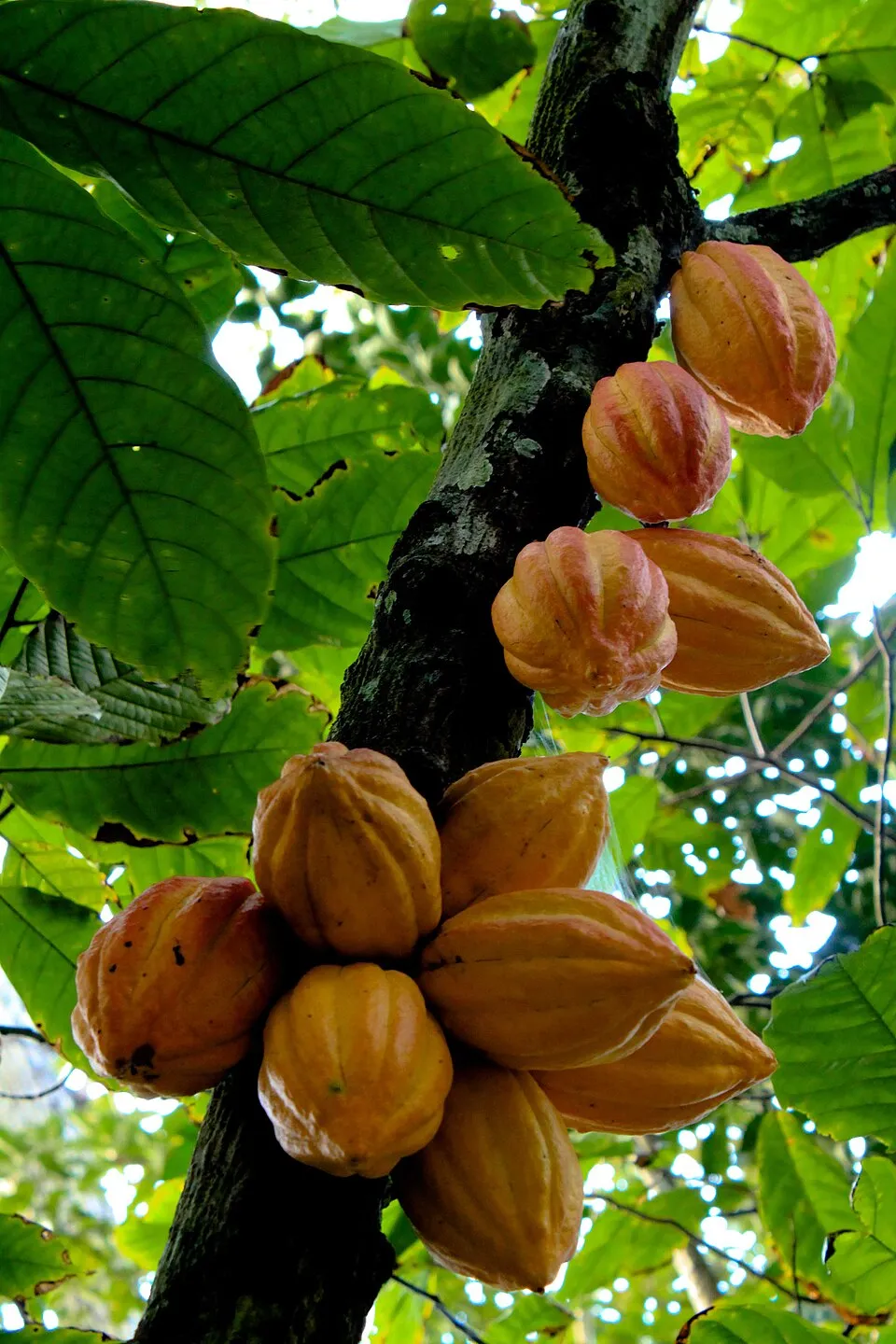
The Cocoa Plant, scientifically known as Theobroma cacao, is a small, evergreen tree revered as the 'food of the gods,' a name bestowed upon it by Carl Linnaeus.
Most thin plant articles flatten everything into a summary. This guide does the opposite by following Cocoa Plant through identification, care, handling, and the questions that real readers actually ask.
Use this guide as a practical reference, then compare it with the detailed plant profile at https://www.floramedicalglobal.com/indoor-plants/cocoa-plant whenever you want to confirm the source page itself.
- Theobroma cacao, the 'food of the gods,' originates from Central and South American rainforests.
- Valued for its beans, which are processed into cocoa and chocolate, rich in bioactive compounds.
- Offers significant cardiovascular, cognitive, and mood-enhancing benefits due to flavonoids and methylxanthines.
- Known for its potent antioxidant and anti-inflammatory properties, supporting overall cellular health.
- Requires careful consumption due to caffeine content, potential heavy metals, and specific contraindications.
- A culturally significant plant with a rich history, now a global dietary staple and medicinal ingredient.
02Cocoa Plant: Taxonomy & Classification
Cocoa Plant should be anchored to the correct taxonomic identity before any discussion of care, use, or safety begins.
| Common name | Cocoa Plant |
|---|---|
| Scientific name | Theobroma cacaoW |
| Family | Malvaceae |
| Order | Malvales |
| Genus | Theobroma |
| Species epithet | cacao |
| Author citation | L. |
| Synonyms | Theobroma sativa var. melanosperma A.Chev., Cacao minar Gaertn., Theobroma cocao L., Theobroma saltzmanniana Bernoulli, Theobroma sativa var. leucosperma A.Chev., Theobroma pentogona Bernoulli, Theobroma kalagua DeWild., Theobroma kalagua De Wild. |
| Common names | কোকো গাছ, কাকাও গাছ, চকলেট গাছ, Cocoa Plant, Cacao Tree, Chocolate Tree, कोको पौधा, कोको पेड़, चॉकलेट वृक्ष |
| Local names | Kope moenka, Kakau, Chocolate, Kakaopflanze, Cacaoyer, Cacavo, Kopemowenka, Kakao, Cacao, Cacaoyer, Cacao de monte, Bikinka, Cacao |
| Origin | Central America (Amazon Basin) |
| Life cycle | Annual |
| Growth habit | Tree |
Using the accepted scientific name Theobroma cacao helps readers avoid confusion caused by old synonyms, loose common names, or inconsistent plant labels.
Family and order placement also matter because they explain recurring structural traits, likely relatives, and the kinds of mistakes readers often make when they rely on appearance alone.
03Identifying Cocoa Plant
A practical reading of the plant starts with visible structure:
- Leaf: Large (15-40 cm long, 5-20 cm wide), simple, entire, obovate to oblong-elliptic, spirally arranged or alternate, glossy dark green, reddish when.
- Stem: Erect orthotropic main stem, developing into plagiotropic (horizontal) branches forming a jorquette. Bark is thin, smooth, and mottled brown-grey on.
- Root: Deep taproot system when grown from seed, with extensive lateral feeder roots in the upper soil layers (top 30 cm) that absorb most nutrients.
- Flower: Small (1-2 cm diameter), waxy, five-petaled, pinkish-white to yellowish-pink, borne directly on the trunk and older branches (cauliflory) in.
- Fruit: Large, elongated, ovoid to ellipsoid pod (15-30 cm long, 7-10 cm wide), football-shaped, ridged longitudinally, often with a warty or smooth.
- Seed: 20-60 flat, almond-shaped beans (2-3 cm long), purple to reddish-brown, embedded in a white, sweet, mucilaginous pulp within the pod. Dispersed by.
Microscopic or internal identification notes deepen the picture, especially for processed material: Both unicellular and multicellular, often stellate (star-shaped) non-glandular trichomes, can be observed on the epidermal surfaces, particularly on. Stomata are predominantly anomocytic, scattered across the abaxial (lower) surface of the leaves, facilitating gas exchange. Powdered cocoa bean reveals abundant starch grains (simple and compound), fragments of vessel elements, stone cells (sclereids), pigment cells.
In overall habit, the plant is described as Tree with a mature height around Typically 5-25 m and spread of Typically 3-15 m.
04Cocoa Plant: Habitat & Distribution
The native or historically recorded center of distribution for Cocoa Plant is Central America (Amazon Basin). That origin is more than background trivia; it explains how the plant responds to heat, moisture, shade, and seasonal change.
The plant is associated with the following countries or range markers: Brazil, Colombia, Costa Rica, Ecuador, El Salvador, French Guiana, Guatemala, Guyana, Honduras, Mexico, Nicaragua, Panama.
Environmental notes in the live record add more context: Natural habitat: Tropical rainforest understory in Central and South America. Climate zones: Tropical (USDA Zone 10-12). Altitude range: Typically from sea level up to 1,000 meters. Annual rainfall needs: 1,500 - 2,500 mm, well-distributed throughout the year, with a short dry season if any.
In cultivation terms, the main ecological clues are: Bright Indirect; Every 2-3 days; Well-draining, rich loamy soil with a pH of 6.0-7.0; Usually 5-10; Annual; Tree.
Physiology data reinforce the habitat story: The plant is sensitive to drought stress and excessive direct solar radiation, leading to reduced photosynthesis and leaf scorching; it thrives in. Theobroma cacao utilizes the C3 photosynthetic pathway, typical of most trees and shrubs in temperate and tropical regions. Cocoa plants exhibit a high transpiration rate in full sun but are adapted to humid environments, where water loss is mitigated by high atmospheric.
05Cocoa Plant: Traditional Importance
Indigenous civilizations of Mesoamerica, including the Olmec, Maya, and Aztec, revered Theobroma cacao as 'food of the gods.' It was deeply intertwined with their spiritual beliefs, often appearing in religious texts and mythology. Cocoa beans were offered to deities, used in sacred rituals, and consumed during important ceremonies, such as coming-of-age rites and funerals. It symbolized vitality, fertility, and.
Ethnobotanical records also show how this plant has been framed across different places: Antiseptic in Elsewhere (Duke, 1992 ); Antiseptic in Panama(Cuna) (Duke, 1992 ); Burn in Dominican Republic (Liogier, Alain Henri. 1974. Diccionario Botanico de Nombres Vulgares de la Espanola. Universidad Nacional Pedro Henriquez Urena, Santo Domingo.); Burn in Elsewhere (Duke, 1992 ); Coffee in Latin America (Uphof, J.C. Th. 1968. Dictionary of economic plants. 2nd ed. Verlag von J. Cramer.); Cough in Ghana (Duke, 1992 ); Dentifrice in Ghana (Duke, 1992 *); Dry-Lip in Haiti (Liogier, Alain Henri. 1974. Diccionario Botanico de Nombres Vulgares de la Espanola. Universidad Nacional Pedro Henriquez Urena, Santo Domingo.).
Local names help show how different communities notice and classify the plant: Kope moenka, Kakau, Chocolate, Kakaopflanze, Cacaoyer, Cacavo, Kopemowenka, Kakao, Cacao, Cacaoyer, Cacao de monte.
Traditional context matters, but it should always be separated from modern certainty. Historical use can guide questions, yet it does not automatically prove present-day clinical effectiveness.
06Cocoa Plant: Benefits & Healing Properties
The main benefit themes associated with the plant include:
- Cardiovascular Health Support — Cocoa is rich in flavonoids like epicatechin, which promote nitric oxide production, leading to vasodilation and improved.
- Blood Pressure Regulation — Regular consumption of dark cocoa products can help lower elevated blood pressure by enhancing endothelial function and arterial.
- Antioxidant Powerhouse — The high concentration of polyphenols and flavonoids in cocoa effectively neutralizes free radicals, mitigating oxidative stress and.
- Cognitive Function Enhancement — Methylxanthines, particularly theobromine and caffeine, alongside flavonoids, can improve cerebral blood flow, attention, and.
- Mood Elevation and Stress Reduction — Cocoa contains compounds like tryptophan, a precursor to serotonin, and phenylethylamine, which may act as natural mood.
- Anti-inflammatory Properties — Flavonoids and other phytochemicals in cocoa exhibit significant anti-inflammatory effects, potentially reducing chronic.
- Digestive Health Improvement — Cocoa powder is a source of dietary fiber, which aids in promoting healthy digestion, regulating bowel movements, and.
- Skin Health and Protection — The antioxidants in cocoa can help protect the skin from UV-induced damage and improve skin hydration and elasticity, often.
The evidence matrix gives a more careful picture of those claims: Reduction in Blood Pressure. Clinical Trials, Meta-analyses. Moderate. Flavonoids in cocoa are shown to improve endothelial function, leading to vasodilation and subsequent blood pressure reduction. Improved Cardiovascular Health. Epidemiological Studies, Clinical Trials. Moderate to Strong. Antioxidant and anti-inflammatory properties contribute to reduced risk of heart disease and improved arterial health. Enhanced Cognitive Function. Observational Studies, Small Clinical Trials. Emerging. Methylxanthines and flavonoids may increase cerebral blood flow and neuronal activity, supporting memory and attention. Mood Enhancement and Antidepressant Effects. Observational Studies, Self-reported Data. Emerging. Compounds like tryptophan, phenylethylamine, and anandamide interact with neurotransmitter systems to promote feelings of well-being. Significant Antioxidant Activity. In vitro, In vivo, Clinical Studies. Strong. High levels of polyphenols and flavonoids effectively scavenge free radicals, protecting against oxidative damage.
The stored evidence confidence for this profile is traditional. That should shape how strongly any benefit statement is interpreted.
For non-medicinal or mostly ornamental contexts, the safest approach is to keep the claims modest. A plant may still be valuable ecologically, visually, or culturally without being promoted as a treatment.
- Cardiovascular Health Support — Cocoa is rich in flavonoids like epicatechin, which promote nitric oxide production, leading to vasodilation and improved.
- Blood Pressure Regulation — Regular consumption of dark cocoa products can help lower elevated blood pressure by enhancing endothelial function and arterial.
- Antioxidant Powerhouse — The high concentration of polyphenols and flavonoids in cocoa effectively neutralizes free radicals, mitigating oxidative stress and.
- Cognitive Function Enhancement — Methylxanthines, particularly theobromine and caffeine, alongside flavonoids, can improve cerebral blood flow, attention, and.
- Mood Elevation and Stress Reduction — Cocoa contains compounds like tryptophan, a precursor to serotonin, and phenylethylamine, which may act as natural mood.
- Anti-inflammatory Properties — Flavonoids and other phytochemicals in cocoa exhibit significant anti-inflammatory effects, potentially reducing chronic.
- Digestive Health Improvement — Cocoa powder is a source of dietary fiber, which aids in promoting healthy digestion, regulating bowel movements, and.
- Skin Health and Protection — The antioxidants in cocoa can help protect the skin from UV-induced damage and improve skin hydration and elasticity, often.
- Energy and Stamina Boost — Theobromine and caffeine provide a sustained, gentle stimulating effect, offering a natural energy lift without the sharp peaks and.
- Blood Sugar Metabolism Support — Studies suggest that certain cocoa compounds may improve insulin sensitivity and glucose metabolism, contributing to better.
07Active Compounds in Cocoa Plant
- The broader constituent profile includes Flavonoids — Predominantly epicatechin, catechin, and proanthocyanidins, these powerful antioxidants are responsible.
- Methylxanthines — Theobromine (3,7-dimethylxanthine) and caffeine (1,3,7-trimethylxanthine) are key alkaloids.
- Polyphenols — A broad category including flavonoids and phenolic acids, contributing significantly to cocoa's.
- Tryptophan — An essential amino acid that serves as a precursor to serotonin, a neurotransmitter crucial for mood.
- Anandamide — An endocannabinoid that can bind to cannabinoid receptors, potentially contributing to cocoa's.
- Minerals — Rich in essential minerals such as magnesium, iron, potassium, zinc, copper, and manganese, vital for.
- Vitamins — Contains modest amounts of B vitamins (B1, B2, B3, B5, B9) and Vitamin E, supporting metabolism and.
- Dietary Fiber — Significant amounts of soluble and insoluble fiber, promoting digestive health, satiety, and.
- Saturated and Unsaturated Fatty Acids — Cocoa butter is composed primarily of stearic acid (saturated), palmitic acid.
The detailed phytochemistry file adds these markers: Epicatechin, Flavonoid, Cocoa bean, 1.5-3.5mg/g; Theobromine, Methylxanthine, Cocoa bean, 10-30mg/g; Caffeine, Methylxanthine, Cocoa bean, 1-5mg/g; Quercetin, Flavonoid, Cocoa bean, Tracemg/g; Stearic Acid, Saturated Fatty Acid, Cocoa bean (as cocoa butter), 30-38% of total fat; Anandamide, Endocannabinoid, Cocoa bean, Traceµg/g.
Local chemistry records also support the profile: QUERCETIN in Leaf (not available-not available ppm); ASCORBIC-ACID in Fruit (30.0-70.0 ppm); ASCORBIC-ACID in Seed (not available-31.0 ppm); CAFFEIC-ACID in Seed (not available-not available ppm); RUTIN in Leaf (not available-not available ppm); LUTEOLIN in Plant (not available-not available ppm); CHLOROGENIC-ACID in Leaf (not available-not available ppm); CHLOROGENIC-ACID in Seed (not available-not available ppm).
Compound profiles also shift with plant part, age, season, processing, and storage. The chemistry of a fresh leaf, dried root, or concentrated extract should never be treated as automatically identical.
08Cocoa Plant Preparations & Dosage
Recorded preparation and use methods include Cocoa Powder — Used extensively in baking, hot beverages, smoothies, and desserts; typically unsweetened for maximum health benefits. Dark Chocolate — Consumed directly as a confectionery item, particularly varieties with high cocoa content (70% or more) for concentrated benefits. Cocoa Nibs — Raw or roasted crushed cocoa beans, offering a crunchy texture and intense chocolate flavor, often added to cereals, yogurt, or baked goods. Cocoa Butter — Used in confectionery to make chocolate, and widely in cosmetics and skincare products for its moisturizing and emollient properties. Traditional Beverages — Prepared as a bitter, spiced drink, often with chili and other herbs, similar to ancient Mesoamerican 'xocolatl.' Herbal Supplements — Available as concentrated extracts or capsules, providing standardized doses of cocoa's active compounds for targeted health support. Cooking Ingredient — Incorporated into savory dishes, sauces, and marinades in various cuisines to add depth and complexity of flavor.
The plant part most closely linked to use is recorded as Leaves, bark, fruit, or seeds commonly cited in related taxa.
Edibility and processing notes matter here as well: Edible parts.
For indoor readers, “how to use” usually means how the plant is placed, styled, handled, propagated, and maintained within the living space rather than how it is taken internally.
- Identify the exact species and plant part first.
- Match the preparation to the intended use.
- Check safety, interactions, and processing details before routine use or large-scale handling.
09Cocoa Plant Side Effects & Safety
The first safety note is direct: Theobroma cacao beans and products are generally safe for human consumption in moderate amounts. The primary concern for toxicity relates to its methylxanthine content, particularly theobromine, which is significantly more toxic to.
Specific warnings recorded for this plant include:
- Pregnancy and Breastfeeding — Moderate intake is generally considered safe; however, large amounts are possibly unsafe due to caffeine content (limit <300 mg/day) and potential heavy metal exposure.
- Children — Dark chocolate products, high in cocoa, may be unsafe due to higher levels of lead and cadmium; other chocolate products with lower cocoa content are generally safer in moderation.
- Anxiety Disorders — High caffeine content in large doses of cocoa can exacerbate anxiety symptoms and nervousness in susceptible individuals.
- Bleeding Disorders — Cocoa may slow blood clotting due to its phytochemical content, potentially increasing the risk of bleeding or bruising.
- Heart Conditions — Individuals with heart conditions should use cocoa cautiously due to its caffeine content, which may trigger irregular heartbeats in some.
- Diabetes Management — Cocoa may influence blood sugar levels; diabetics should monitor intake and consider unsweetened forms to avoid interference with glucose control. Gastroesophageal Reflux Disease (GERD) — Cocoa can relax the esophageal sphincter, potentially worsening GERD symptoms, and should be consumed with caution.
Quality-control notes add another warning: Adulteration risks include the addition of cheaper fats (e.g., palm oil), artificial flavors, lower quality cocoa varieties, or contamination with heavy metals like lead and.
No plant should be described as universally safe. Identity, dose, plant part, preparation style, age, pregnancy status, medication use, allergies, and contamination risk all change the answer.
10Cocoa Plant Cultivation Guide
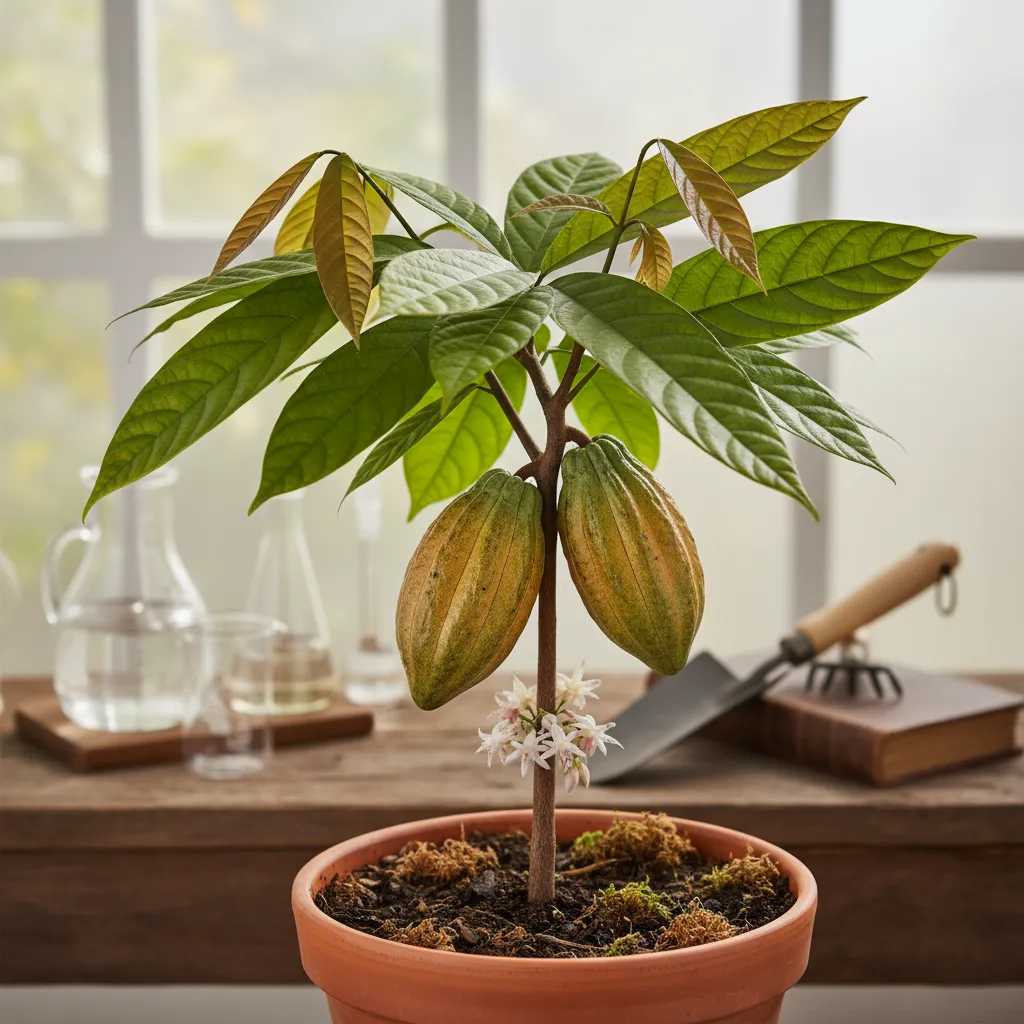
The cultivation record emphasizes these practical steps: Climate — Requires a hot, humid tropical climate with consistent rainfall (1500-2500 mm annually) and temperatures between 21-32°C. Shade Requirement — Traditionally grown in the understory of larger trees, requiring 25-50% shade, especially during early growth stages, to protect from direct sun and. Soil — Thrives in deep, well-drained, fertile soils with a pH between 6.0-7.0, rich in organic matter. Propagation — Primarily propagated from seeds (for genetic diversity) or vegetatively through cuttings or budding (for clonal uniformity and faster maturation). Pest and Disease Management — Susceptible to various fungal diseases (e.g., Black Pod, Witches' Broom, Frosty Pod Rot) and pests (e.g., mirids, cocoa pod borer). Harvesting — Pods are hand-harvested when fully ripe, typically indicated by a change in color, and removed carefully to avoid damaging the cauliflorous cushions. Post-Harvest Processing — Beans are extracted from pods, fermented for 2-8 days (crucial for flavor development), dried to reduce moisture, and then roasted. <ul><li>Maintain high humidity (70-80%) and warm temperatures consistently.</li><li>Provide bright, indirect light.
The broader growth environment is described like this: Natural habitat: Tropical rainforest understory in Central and South America. Climate zones: Tropical (USDA Zone 10-12). Altitude range: Typically from sea level up to 1,000 meters. Annual rainfall needs: 1,500 - 2,500 mm, well-distributed throughout the year, with a short dry season if any.
Planning becomes easier when these traits are kept in view: Tree; Typically 5-25 m; Typically 3-15 m; Moderate; Advanced.
In practice, healthy cultivation comes from systems thinking rather than one-off tricks. Site choice, drainage, timing, spacing, pruning, feeding, and observation all reinforce one another.
11Caring for Cocoa Plant: Light, Water & Soil
The most useful care snapshot is this: Light: Bright Indirect; Water: Every 2-3 days; Soil: Well-draining, rich loamy soil with a pH of 6.0-7.0; Temperature: 20-30°C; USDA zone: Usually 5-10.
Indoors, the plant responds to microclimate more than many people expect. Window direction, airflow, heating, and room humidity can change the care rhythm quickly.
| Light | Bright Indirect |
|---|---|
| Water | Every 2-3 days |
| Soil | Well-draining, rich loamy soil with a pH of 6.0-7.0 |
| Temperature | 20-30°C |
| USDA zone | Usually 5-10 |
Light, water, and soil should never be treated as separate checkboxes. A plant in stronger light often dries faster, soil texture changes how quickly water moves, and temperature plus humidity influence how stress appears in leaves and roots.
For Cocoa Plant, the safest care approach is to treat Bright Indirect, Every 2-3 days, and Well-draining, rich loamy soil with a pH of 6.0-7.0 as linked decisions rather than isolated tips. If one condition shifts, the other two usually need to be reconsidered as well.
12Cocoa Plant Propagation Methods
Documented propagation routes include Seeds: Extract fresh seeds from a ripe pod, clean off the mucilage. Plant immediately (viability drops quickly) 1-2 cm deep in well-draining, moist potting.
Propagation works best when the parent stock is healthy, correctly identified, and handled in the right season. That sounds obvious, but it is exactly where many failures begin.
- Seeds: Extract fresh seeds from a ripe pod, clean off the mucilage. Plant immediately (viability drops quickly) 1-2 cm deep in well-draining, moist potting.
Propagation works best when the reader matches method to biology. Some plants respond readily to cuttings, some to division, some to seed, and others require more patience or more exact seasonal timing.
A successful propagation guide therefore starts with healthy parent material and realistic expectations. Weak stock, rushed handling, and poor aftercare can make even a technically correct method fail.
13Managing Cocoa Plant Problems
The recorded problem list includes Pests: Mealybugs (organic solution: neem oil spray, insecticidal soap), Aphids (organic solution: strong water. solution: iron chelate, acidify soil). Stunted growth (nitrogen deficiency; solution: organic fertilizers rich in nitrogen like composted manure). Organic Solutions: Maintaining excellent.
Indoor problems usually start quietly: mites, mealybugs, scale, root stress, weak light, or stale soil structure. Routine inspection is what keeps small issues from becoming full infestations.
The smartest response sequence is observation first, environmental correction second, and treatment only after the real pattern is clear.
- Pests: Mealybugs (organic solution: neem oil spray, insecticidal soap), Aphids (organic solution: strong water).
- Solution: iron chelate, acidify soil). Stunted growth (nitrogen deficiency
- Solution: organic fertilizers rich in nitrogen like composted manure). Organic Solutions: Maintaining excellent.
14Harvesting & Storing Cocoa Plant
The plant part most often associated with harvest or processing is Leaves, bark, fruit, or seeds commonly cited in related taxa.
Storage guidance from the quality-control record reads as follows: Cocoa beans and products should be stored in cool, dry, dark, and airtight conditions to prevent oxidation of fats, absorption of moisture, and degradation of active compounds.
For indoor plants, this section often translates into trimming, leaf cleanup, offset collection, occasional flower removal, and safe handling of spent growth.
Whatever the purpose, the rule is the same: harvest clean material, label it clearly, and store it in a way that preserves identity and condition.
Harvest and storage determine whether a plant's quality is preserved after it leaves the bed, pot, field, or wild source. Clean timing, correct plant part selection, and careful drying or handling all matter more than many readers expect.
15Designing a Garden with Cocoa Plant
Useful companions or placement partners include Banana; Cacao; Papaya; Avocado; Rubber.
In indoor styling, Cocoa Plant usually works best beside plants that share similar moisture expectations but offer contrast in texture, height, or silhouette.
- Banana
- Cacao
- Papaya
- Avocado
- Rubber
Companion planting and design are not only aesthetic decisions. They affect airflow, root competition, moisture sharing, harvest access, visibility, and the general logic of the planting scheme.
With Cocoa Plant, good placement means thinking about mature size, maintenance rhythm, and how neighboring plants change the feel and function of the space. A plant can be healthy on its own and still be poorly placed within the broader composition.
That is why the best design advice combines biology with usability. The planting should look coherent, but it should also make watering, pruning, harvest, and pest observation easier rather than harder.
16What Science Says About Cocoa Plant
The evidence matrix points to several recurring themes: Reduction in Blood Pressure. Clinical Trials, Meta-analyses. Moderate. Flavonoids in cocoa are shown to improve endothelial function, leading to vasodilation and subsequent blood pressure reduction. Improved Cardiovascular Health. Epidemiological Studies, Clinical Trials. Moderate to Strong. Antioxidant and anti-inflammatory properties contribute to reduced risk of heart disease and improved arterial health. Enhanced Cognitive Function. Observational Studies, Small Clinical Trials. Emerging. Methylxanthines and flavonoids may increase cerebral blood flow and neuronal activity, supporting memory and attention. Mood Enhancement and Antidepressant Effects. Observational Studies, Self-reported Data. Emerging. Compounds like tryptophan, phenylethylamine, and anandamide interact with neurotransmitter systems to promote feelings of well-being. Significant Antioxidant Activity. In vitro, In vivo, Clinical Studies. Strong. High levels of polyphenols and flavonoids effectively scavenge free radicals, protecting against oxidative damage.
Ethnobotanical activity records add historical reference trails: Antiseptic — Elsewhere [Duke, 1992 ]; Antiseptic — Panama(Cuna) [Duke, 1992 ]; Burn — Dominican Republic [Liogier, Alain Henri. 1974. Diccionario Botanico de Nombres Vulgares de la Espanola. Universidad Nacional Pedro Henriquez Urena, Santo Domingo.]; Burn — Elsewhere [Duke, 1992 ]; Coffee — Latin America [Uphof, J.C. Th. 1968. Dictionary of economic plants. 2nd ed. Verlag von J. Cramer.]; Cough — Ghana [Duke, 1992 ].
The compiled source count behind the live profile is 8. That does not guarantee certainty, but it does suggest the record has been cross-checked beyond a single note.
Analytical testing notes also strengthen the evidence base: High-Performance Liquid Chromatography (HPLC) for active compounds, spectrophotometry for total polyphenols, Atomic Absorption Spectroscopy (AAS) or Inductively Coupled Plasma.
A careful evidence section should say what is known, what is plausible, and what remains uncertain. Readers are better served by clear limits than by exaggerated confidence.
Evidence note: this section blends the live plant record, local ethnobotanical activity data, chemistry records, and the linked Flora Medical Global plant profile for Cocoa Plant.
17Buying Cocoa Plant: Expert Tips
Quality markers worth checking include Theobromine, caffeine, total polyphenols (e.g., epicatechin, catechin), and specific proanthocyanidin oligomers are used as chemical markers.
Adulteration and substitution risk should not be ignored: Adulteration risks include the addition of cheaper fats (e.g., palm oil), artificial flavors, lower quality cocoa varieties, or contamination with heavy metals like lead and.
When buying Cocoa Plant, start with verified botanical identity. The label, scientific name, and the source page should agree before you judge price, size, or claimed benefits.
For living plants, inspect roots, stem firmness, foliage health, and early pest signs. For dried or processed material, look for batch clarity, clean aroma, absence of mold, and any sign that the product has been over-processed to disguise poor quality.
Buying advice should begin with identity. The label, scientific name, visible condition, and seller credibility should agree before price or convenience becomes the deciding factor.
18Cocoa Plant FAQ
What is Cocoa Plant best known for?
The Cocoa Plant, scientifically known as Theobroma cacao, is a small, evergreen tree revered as the 'food of the gods,' a name bestowed upon it by Carl Linnaeus.
Is Cocoa Plant beginner-friendly?
That depends on the growing environment and the intended use. Some plants are easy to grow but not simple to use medicinally, while others are the opposite.
How much light does Cocoa Plant need?
Bright Indirect
How often should Cocoa Plant be watered?
Every 2-3 days
Can Cocoa Plant be propagated at home?
Yes, but the best method depends on whether the species responds best to seed, cuttings, division, offsets, or other propagation routes.
Does Cocoa Plant have safety concerns?
Theobroma cacao beans and products are generally safe for human consumption in moderate amounts. The primary concern for toxicity relates to its methylxanthine content, particularly theobromine, which is significantly more toxic to.
What is the biggest mistake people make with Cocoa Plant?
The most common mistake is applying generic advice instead of matching the plant to its real environment, identity, and limits.
Where can I verify more information about Cocoa Plant?
Start with the Flora Medical Global plant profile: https://www.floramedicalglobal.com/indoor-plants/cocoa-plant
Why do sources sometimes disagree about Cocoa Plant?
Different references may use different synonyms, plant parts, cultivation conditions, or evidence standards. That is why taxonomy and source quality both matter.
19Cocoa Plant: References & Further Reading
Authoritative sources and related guides:
- Wikipedia — background reference
- PubMed — peer-reviewed studies
- Kew POWO — botanical reference
- NCBI PMC — open-access research
- WHO — global health authority
Related on Flora Medical Global
Reviewed by the Flora Medical Global Botanical Review Panel
Multi-disciplinary editorial group · Botany · Ethnobotany · Herbal-medicine literature
Who reviewed this: This page was checked by the Flora Medical Global Botanical Review Panel — an in-house editorial group of botany graduates, ethnobotany researchers, and horticulture practitioners who collectively maintain our 7,000+ plant encyclopedia. Meet the team.
Our 4-step verification process
1. Taxonomic verification
Scientific names and synonyms cross-checked against Kew POWO, World Flora Online, and The Plant List.
2. Phytochemical & medicinal cross-reference
Active compounds, traditional uses, and reported activities are cross-referenced with PubMed, USDA Dr. Duke's database, and peer-reviewed ethnobotanical literature.
3. Conservation & distribution check
Distribution, ecology, and conservation status confirmed against GBIF occurrence records and the IUCN Red List.
4. Editorial & safety review
Every entry passes an editorial pass for clarity, originality, and safety notices (toxicity, contraindications, dosage caveats) before publication.
Last reviewed:
Explore Our Platforms
 InfiniCore DataWorks
 Nex-Automata
Comments (0)
No comments yet. Be the first!