Fall Garden Preparation: What to Plant & How to Prepare for Winter
 Flora Medical GlobalPublished: 2/25/2026Updated: 6/16/202623 min read
Editorial Disclaimer: This article is for informational and educational purposes only. It is not a substitute for professional medical advice, diagnosis, or treatment. Always consult a qualified healthcare provider or certified herbalist before using any plant for medicinal purposes, especially if you are pregnant, nursing, taking medication, or have a medical condition.
As the vibrant colors of summer begin to gracefully fade, a new and crucial season for gardening opportunities emerges. Fall garden preparation is not merely a chore; it's a strategic investment for a deeply thriving spring, offering a unique window to plant cool-season crops, significantly enrich your soil, and robustly safeguard your garden against winter's impending chill. This comprehensive, research-backed guide will meticulously walk you through every essential step of preparing your garden for the colder months, unequivocally ensuring its health, vitality, and remarkable productivity for the seasons to come. From precisely understanding what to plant in autumn to mastering essential autumn gardening tips and effectively learning how to prepare the garden for winter, we've got you thoroughly covered with expert insights.
The transition from the intense, often scorching heat of summer to the crisp, invigorating air of fall marks an absolutely pivotal moment for dedicated gardeners. It's not just about passively winding down; it’s intrinsically about laying a robust foundation for future horticultural success. By engaging in thorough, proactive fall garden preparation, you're not solely cleaning up old growth, but actively nourishing your soil, diligently protecting delicate plants, and even strategically extending your harvest well into the colder months. Let's delve deeply into the specifics of transforming your garden into an incredibly resilient, vibrant ecosystem ready for anything winter ultimately throws its way.
01The Importance of Fall Garden Preparation
Proper fall garden preparation is the secret ingredient to a vigorous, bountiful spring garden, allowing proactive addressing of soil health, pest control, and plant protection. Many gardeners mistakenly view autumn as merely the end of the growing season, a time to simply put tools away and retreat indoors. However, savvy and experienced gardeners recognize that fall is a period of vital transition and unparalleled preparation, offering an opportunity to optimize garden conditions for the subsequent year's growth.
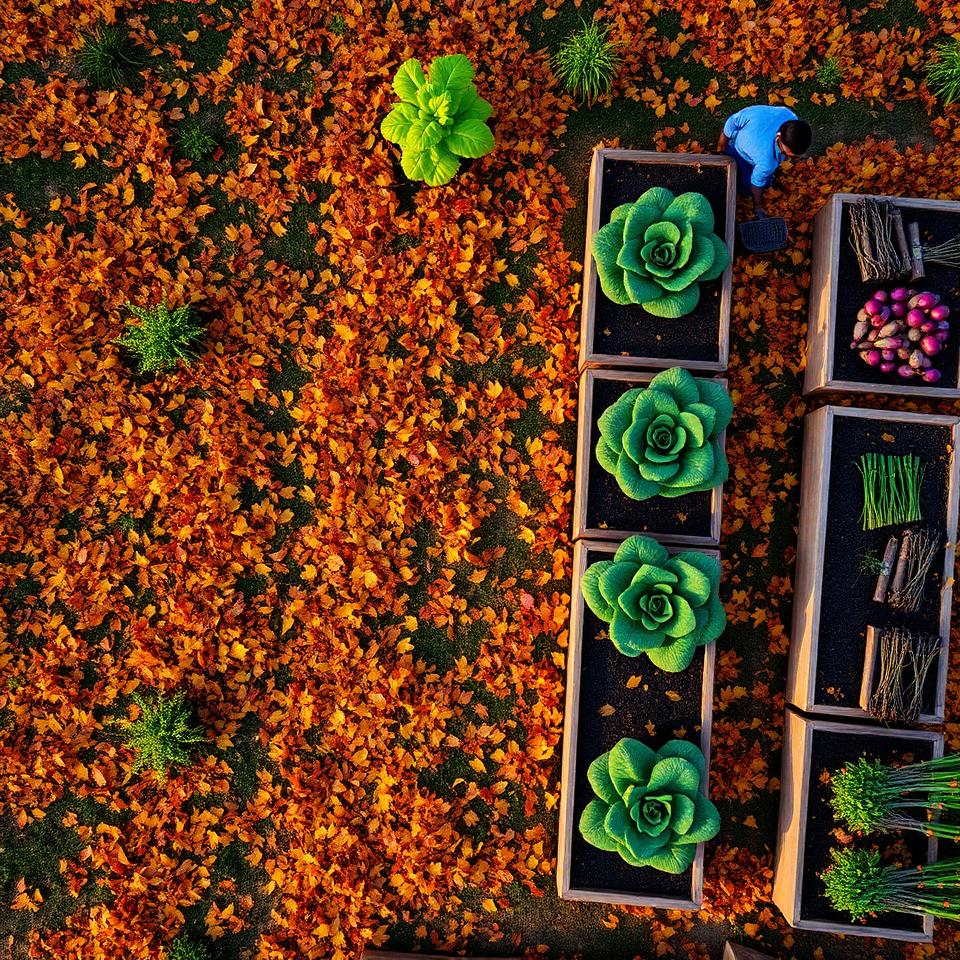
Why Autumn is a Prime Time for Gardening
Autumn is a prime time for gardening due to its milder temperatures, which are less stressful for both plants and gardeners, and the naturally increased soil moisture. The cooler temperatures of fall are ideal for many cool-season crops to thrive, as well as for tasks like transplanting and soil amendment, which can be stressful for plants during summer's heat and less effective in winter's cold.
- Milder Temperatures: The reduced heat and humidity of fall create an optimal environment for root development, reducing transplant shock and promoting robust growth for newly planted perennials, shrubs, and trees. Average ambient temperatures between 10-20°C (50-68°F) are often ideal.
- Increased Soil Moisture: Fall typically brings more consistent rainfall, which means less need for supplemental irrigation and more natural hydration for your garden beds. This consistent moisture aids in nutrient absorption and overall plant establishment.
- Pest and Disease Management: This season offers a crucial window to disrupt the life cycles of many common garden pests and pathogens before they can overwinter and cause significant problems in spring. Removing infected plant material, for example, can reduce fungal spore populations by up to 90%. (Ref: University of California Agriculture & Natural Resources, Pest Management Guidelines).
- Soil Enrichment Opportunities: Fall is the perfect time to amend your soil with organic matter, as it allows plenty of time for decomposition and nutrient integration before spring planting. This improves soil structure, water retention, and nutrient availability.
- Extended Harvests: For regions with mild autumns, many cool-season vegetables like kale, spinach, and lettuce can provide an extended harvest well into late fall or even early winter with proper protection.
02Essential Steps for Post-Harvest Garden Cleanup
Thorough post-harvest garden cleanup is absolutely crucial for preventing disease, deterring pests, and preparing beds for amendments or fall planting. This process involves more than just tidying up; it's a strategic move to break pest cycles and remove potential disease vectors from your garden environment.
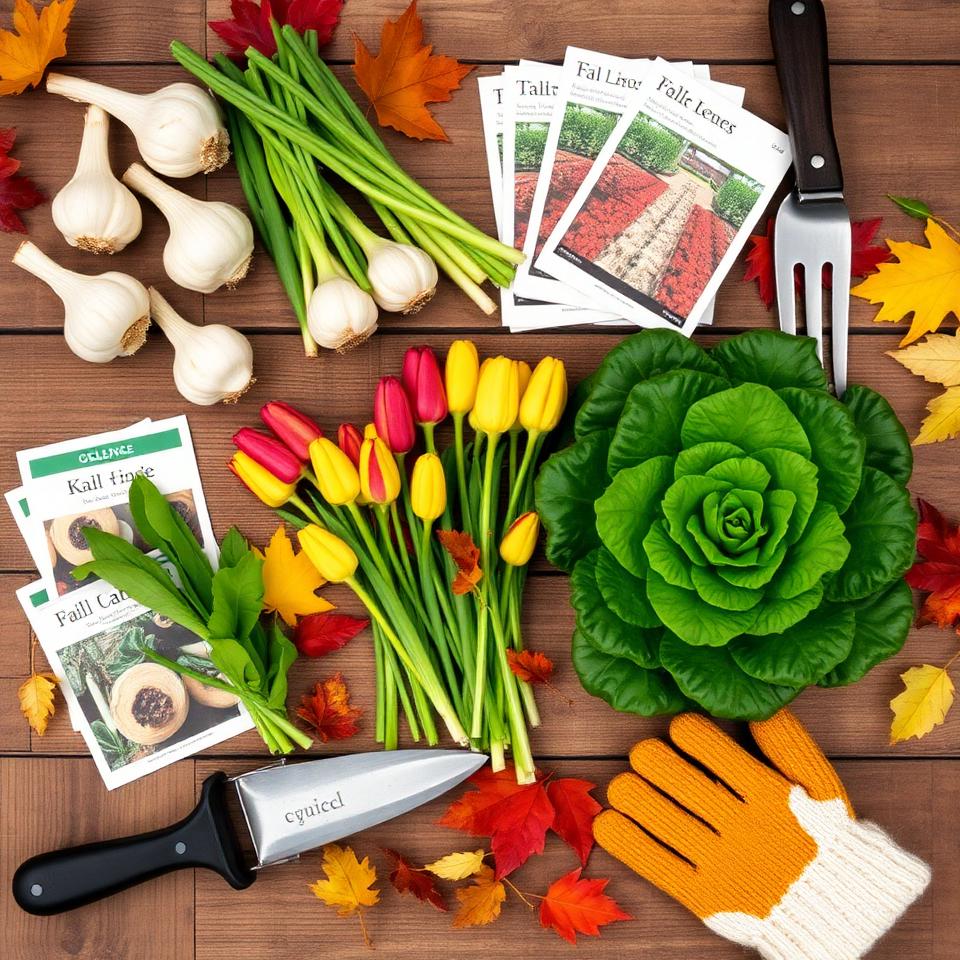
Clearing Spent Annuals and Vegetable Debris
Clearing spent annuals and vegetable debris is a foundational step, as decaying plant matter can harbor pathogens and insect eggs that will overwinter and re-emerge in spring. Carefully remove all dead or diseased foliage, stalks, and fruit from your beds. Studies indicate that removing infected plant material, such as tomato blight residue, can reduce subsequent year's disease incidence by 40-60%. (Ref: Cornell University Cooperative Extension).
- Remove Diseased Plants: Any plants showing signs of fungal infections (e.g., powdery mildew, rust), bacterial spots, or viral diseases should be removed entirely and disposed of in the trash, not composted, to prevent spreading. Ensure careful handling to avoid spore dispersal.
- Pull Up Spent Vegetables: Crops that have finished producing, such as corn stalks, bean vines (Phaseolus vulgaris), and squash plants (Cucurbita spp.), should be pulled up. Leaving them can invite slugs, snails, and other pests seeking shelter.
- Weed Control: Aggressively tackle weeds before they go to seed. One mature henbit (Lamium amplexicaule) plant can produce thousands of seeds, leading to a much larger problem next spring. Early fall weeding prevents this seed dispersal.
- Chop and Drop (for healthy material): For healthy, non-diseased plant matter, consider chopping it into smaller pieces and leaving it on the soil surface to decompose, or adding it to your compost pile. This recycles valuable nutrients back into the soil.
Inspecting and Cleaning Tools and Equipment
Inspecting and meticulously cleaning garden tools and equipment before winter storage prevents rust, prolongs their lifespan, and minimizes the transfer of diseases. Dirty tools can harbor fungal spores and bacteria, which can then be unwittingly transferred to new plants in the spring.
- Clean and Disinfect: After each use, especially when working with diseased plants, clean tools like pruners, shovels, and trowels by removing soil and debris. Disinfect with a 10% bleach solution (1 part bleach to 9 parts water) or isopropyl alcohol to kill pathogens.
- Sharpen Blades: Sharp tools make clean cuts, which are healthier for plants and require less effort. Sharpen pruners and loppers, and consider sharpening mower blades before storing.
- Oil Moving Parts: Garden tools with moving parts, such as pruners and hedge trimmers, benefit from light oiling with a multipurpose oil to prevent rust and ensure smooth operation.
- Store Properly: Store tools in a dry, protected area away from the elements. Hanging tools keeps them organized and off the ground, preventing moisture accumulation.
03Soil Enrichment: The Foundation of a Healthy Garden
Soil enrichment in the fall is paramount because it provides ample time for organic materials to decompose and integrate, improving soil structure and nutrient availability well before spring planting begins. This proactive approach ensures your soil is teeming with life and essential nutrients when growth resumes.
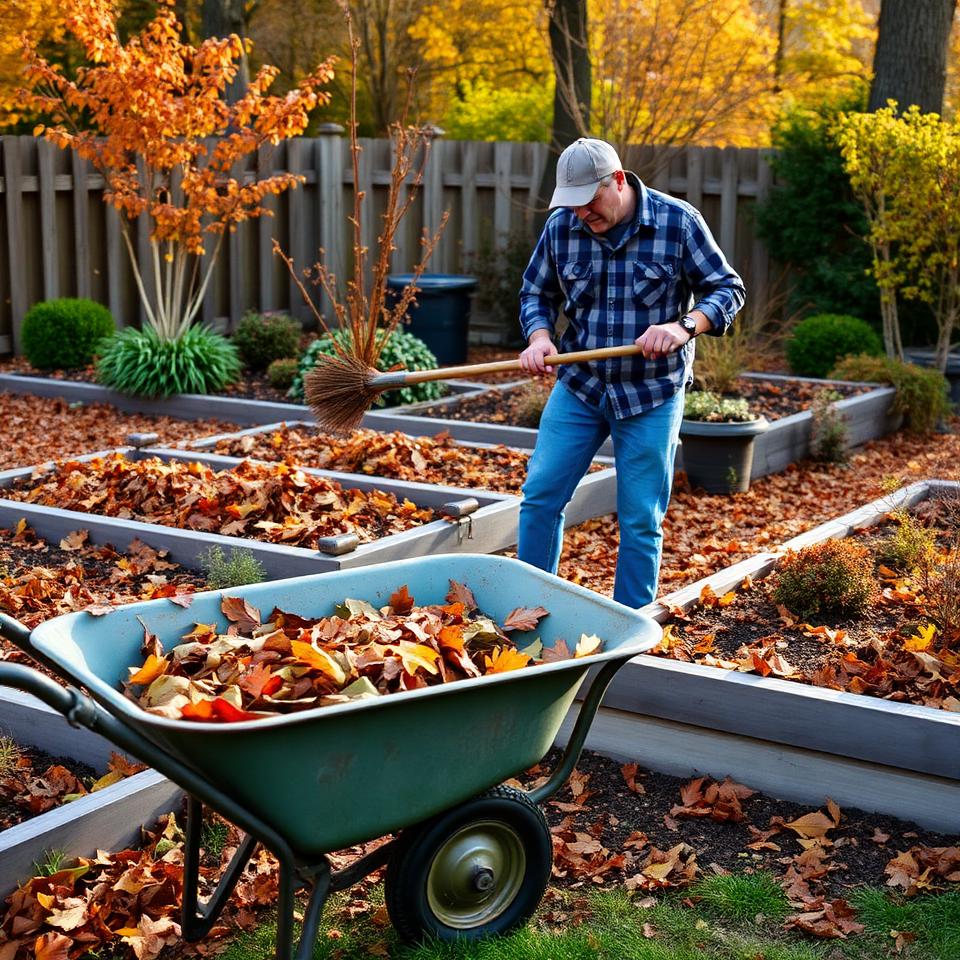
Compost and Organic Matter Application
Applying compost and other organic matter in the fall significantly enhances soil fertility, structure, and microbial activity. Research indicates that adding organic matter can increase soil water holding capacity by 20% and improve nutrient retention, reducing the need for synthetic fertilizers. (Ref: USDA Natural Resources Conservation Service).
- Spread a Layer: Aim for a 2-4 inch (5-10 cm) layer of well-rotted compost over your garden beds. This acts as a slow-release fertilizer and earthworm magnet.
- Integrate Gently: Lightly incorporate the organic matter into the top 6 inches (15 cm) of soil using a broadfork or garden fork, avoiding aggressive tilling which can disturb soil structure and beneficial microbiota.
- Consider Cover Crops: In areas not being planted with fall vegetables, sowing a cover crop like crimson clover (Trifolium incarnatum) or winter rye (Secale cereale) protects the soil from erosion, suppresses weeds, and adds organic matter when tilled under in spring. Learn more about cover crops.
Soil Testing and Amendments
Fall is the ideal time for soil testing because it allows ample time to analyze results and apply necessary amendments before spring planting. A comprehensive soil test provides crucial data on pH, nutrient levels (N-P-K), and organic matter content, guiding your amendment strategy.
- Get a Soil Test: Collect soil samples from various spots in your garden and send them to a local extension office or reputable lab. This typically costs between $15-$50.
- Interpret Results: Understand what your test results mean. For instance, a pH below 6.0 indicates acidic soil, which might benefit from lime application, while a pH above 7.5 suggests alkalinity, potentially requiring elemental sulfur for balance. Most vegetables prefer a pH range of 6.0-7.0.
- Apply Amendments: Based on your soil test, apply corrections. If phosphorus is low, bone meal (2-14-0) can be added; for potassium deficiency, greensand (0-0-3) is effective. Gypsum can help break up heavy clay soils.
04What to Plant in Autumn for Spring Bloom and Winter Harvest
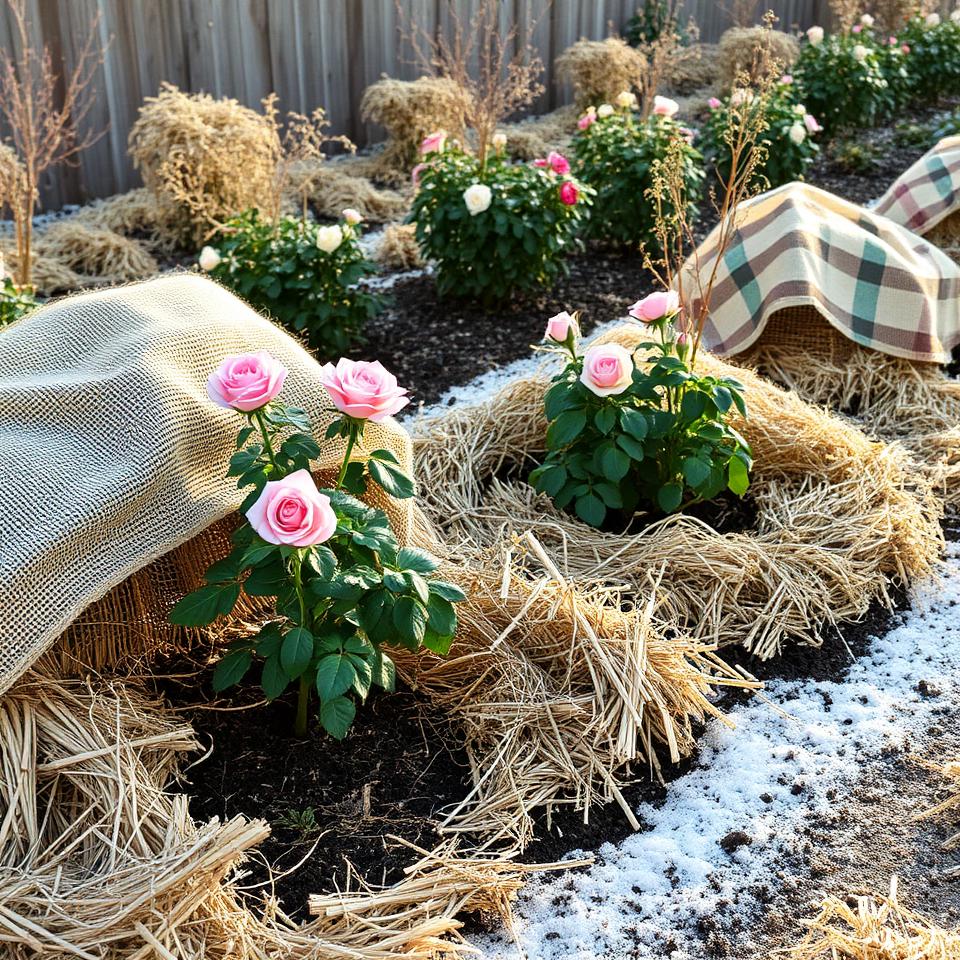
Autumn offers a unique window for planting a variety of species that will either provide a late-season harvest, establish strong root systems for robust spring growth, or deliver vibrant color when the warmer weather returns. This strategic planting maximizes garden productivity and aesthetic appeal.
Explore Our Platforms
 InfiniCore DataWorks
 Nex-Automata
Cool-Season Vegetables for Fall/Winter Harvest
Cool-season vegetables thrive in the milder temperatures of autumn, often sweetening in flavor after a light frost, and can extend your harvest significantly. Many are remarkably cold-hardy, tolerating temperatures down to -7°C (20°F) or even lower with protection.
| Vegetable | Type | Planting Depth/Space | Harvest Window |
|---|---|---|---|
| Spinach (Spinacia oleracea) | Leafy Green | 0.5 inch / 6 inches apart | 4-6 weeks after planting |
| Kale (Brassica oleracea var. sabellica) | Leafy Green | 0.5 inch / 12-18 inches apart | 8-10 weeks after planting |
| Lettuce (Lactuca sativa) | Leafy Green | 0.25 inch / 8 inches apart | 6-8 weeks after planting |
| Radishes (Raphanus sativus) | Root | 0.5 inch / 1 inch apart | 3-4 weeks after planting |
| Carrots (Daucus carota subsp. sativus) | Root | 0.5 inch / 2-3 inches apart | 8-10 weeks after planting |
| Garlic (Allium sativum) | Bulb | 2-3 inches deep / 4-6 inches apart | Next summer (June-July) |
Planting Bulbs for Spring Blooms
Planting spring-flowering bulbs in the fall is essential because it allows them to undergo a necessary cold stratification period, which triggers their growth and bloom cycle. Bulbs like tulips (Tulipa spp.) and daffodils (Narcissus spp.) require 10-16 weeks of cold temperatures below 7°C (45°F) for proper development.
- Select Healthy Bulbs: Choose firm, plump bulbs free from mold or soft spots. Larger bulbs generally produce larger, more numerous blooms.
- Timing is Key: Plant bulbs when soil temperatures drop below 13°C (55°F) but before the ground freezes solid. This typically means September through November in temperate zones.
- Proper Planting Depth: A good rule of thumb is to plant bulbs two to three times as deep as their height. For example, a 2-inch tulip bulb should be planted 4-6 inches deep.
- Consider Critter Protection: If squirrels or voles are an issue, consider covering newly planted bulb beds with chicken wire or using gravel in the planting hole.
Perennials, Shrubs, and Trees
Fall is an excellent time to plant perennials, shrubs, and trees because the cooler air temperatures reduce transplant shock, while the still-warm soil encourages strong root establishment before winter dormancy. This root growth is critical for their long-term health and vigor.
- Root Establishment: With less energy directed towards foliage growth, newly planted trees and shrubs can focus their resources on developing an extensive root system. This is called "transplant establishment."
- Reduced Stress: Lower temperatures and often increased rainfall mean less watering is required compared to summer plantings, reducing stress on the new plant.
- Mulching Benefits: Apply a 2-3 inch (5-7.5 cm) layer of organic mulch around the base of new plantings, keeping it a few inches away from the trunk. This regulates soil temperature, conserves moisture, and suppresses weeds.
- Watering: Continue to water new plantings consistently until the ground freezes. Insufficient water before winter can lead to desiccation and winter kill.
05Protecting Your Garden from Winter's Chill
Protecting your garden from winter's chill is paramount for the survival of tender plants and the vitality of garden beds, safeguarding them against extreme cold, desiccation, and frost heave. Proactive measures can prevent irreparable damage and ensure a successful reawakening in spring.
Mulching for Insulation and Moisture Retention
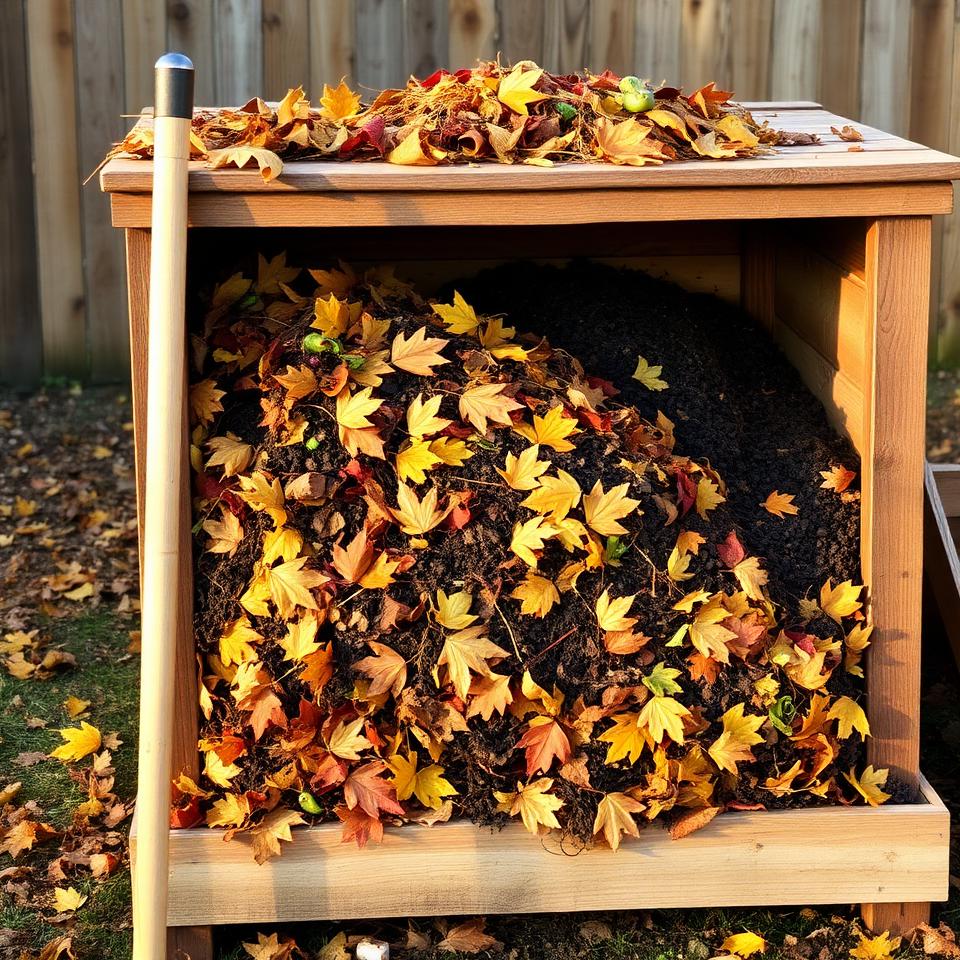
Mulching is a highly effective autumn practice, providing critical insulation for plant roots, conserving soil moisture, and suppressing overwintering weeds. A substantial layer of mulch stabilizes soil temperatures, preventing the damaging freeze-thaw cycles that can lead to frost heave, where plants are pushed out of the ground.
- Apply a Thick Layer: Once the ground begins to cool, apply a 4-6 inch (10-15 cm) layer of organic mulch such as straw, shredded leaves, wood chips, or pine needles around perennials, shrubs, and trees. For delicate herbs like rosemary (Salvia rosmarinus), a thicker layer can provide crucial protection.
- Keep Away from Stems: Ensure the mulch doesn't directly touch plant stems or tree trunks, as this can encourage rot, pest infestation, and vole damage. Leave a small "donut hole" around the crown.
- Benefits: Mulch prevents rapid temperature fluctuations, conserves soil moisture, reduces weed germination in spring, and slowly breaks down to enrich the soil.
Protecting Tender Plants, Containers, and Water Features
Protecting tender plants, container gardens, and water features is crucial in fall to prevent damage or destruction from freezing temperatures. Many plants, especially those not native to temperate zones, cannot tolerate sustained frosts without intervention.
- Container Plants: Move tender container plants, such as bougainvillea (Bougainvillea glabra) or citrus (Citrus spp.), indoors to a bright, cool spot before the first hard frost. Ensure they are free of pests before bringing inside.
- Tender Perennials: For borderline hardy perennials like cannas (Canna spp.) or dahlias (Dahlia spp.) in colder zones (USDA Zone 6 and below), lift their tubers or corms after the first light frost kills the foliage. Clean them, allow them to air dry, and store them in peat moss or sawdust in a cool, dark, frost-free location (e.g., 4-10°C / 40-50°F).
- Water Gardens: Drain water from bird baths, fountains, and small ponds to prevent cracking caused by ice expansion. For larger ponds, ensure adequate depth (minimum 60 cm/24 inches in temperate zones) and consider pond heaters or aerators to maintain an open surface for gas exchange.
Winterizing Irrigation Systems
Winterizing irrigation systems is a non-negotiable fall task to prevent expensive damage from freezing water. Any water left in pipes, hoses, or sprinkler heads can expand when frozen, causing pipes to burst and components to crack.
- Shut Off Water Supply: Locate your main irrigation shut-off valve and turn off the water supply to the system.
- Drain All Lines: Open all drain valves at the lowest points of your system to allow water to empty. Tilt hoses to ensure complete drainage.
- Blow Out System (Professional Recommendation): For underground sprinkler systems, it is highly recommended to hire a professional to use an air compressor to blow out the remaining water from the lines. This is the most effective way to prevent freeze damage.
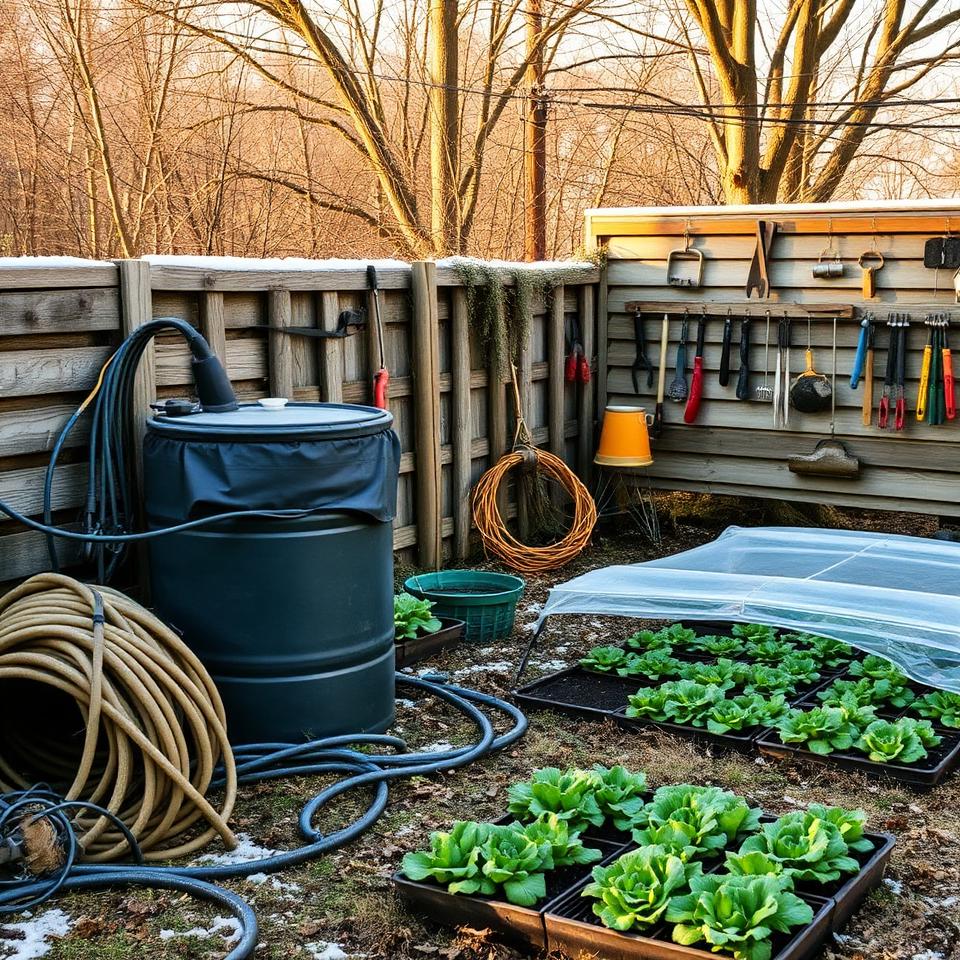
- Store Hoses and Sprinklers: Disconnect garden hoses and store them rolled up in a dry, frost-free location. Remove and store any portable sprinklers or irrigation timers.
06Advanced Fall Gardening Techniques
Advanced fall gardening techniques go beyond basic cleanup, encompassing strategies for long-term soil improvement, pest management, and extending the growing season. These methods contribute to a more resilient and productive garden ecosystem.
Utilizing Cover Crops
Utilizing cover crops is an ecological and economic strategy that significantly improves soil health, prevents erosion, and suppresses weeds during the off-season. They act as "green manures," enhancing soil organic matter and nutrient cycling. A study by the Rodale Institute found that integrating cover crops can increase soil organic carbon by up to 0.5% annually over several years. (Ref: Rodale Institute, "Farming Systems Trial").
- Nitrogen Fixers: Leguminous cover crops like hairy vetch (Vicia villosa) or crimson clover (Trifolium incarnatum) fix atmospheric nitrogen into the soil, making it available for subsequent crops. Plant these in early fall to allow for sufficient growth.
- Biomass Producers: Grains like winter rye (Secale cereale) and oats (Avena sativa) produce a large amount of biomass, which, when tilled under in spring, acts as an excellent source of organic matter.
- Weed Suppression: A dense cover crop stand can effectively outcompete and suppress winter annual weeds, reducing weeding efforts in the spring.
- Erosion Control: The root systems of cover crops hold soil in place, preventing wind and water erosion during winter when beds would otherwise be bare.
- Termination: Most cover crops need to be terminated (e.g., mowed down, turned under) 2-4 weeks before spring planting to allow for decomposition and prevent them from competing with cash crops.
Strategic Pruning and Winterizing Perennials
Strategic pruning in fall focuses on removing dead, diseased, or crossing branches to improve plant health and structure, while winterizing perennials prepares them for dormancy. Improper pruning can actually open plants to winter injury, so timing and technique are crucial. Pruning too late in fall can stimulate new growth that is vulnerable to frost.
- Deciduous Trees and Shrubs: For most deciduous trees and shrubs, fall is generally not the best time for heavy pruning, as it can encourage new growth that won't harden off before winter. However, you can remove dead, damaged, or weakly attached branches. Exceptions include oak (Quercus spp.) trees, which are often pruned in winter to avoid oak wilt disease spread by beetles attracted to fresh wounds in spring.
- Evergreens: Avoid heavy pruning of evergreens in fall, as new growth stimulated by pruning will be susceptible to desiccation and frost burn. Light shaping can be done.
- Perennials: Some perennials, like hostas (Hosta spp.) and peonies (Paeonia spp.), can be cut back to the ground after their foliage dies back naturally, aiding in disease prevention. For others, such as coneflowers (Echinacea purpurea) or ornamental grasses, leaving them standing provides winter interest and shelter for beneficial insects, cutting back only in early spring.
- Rose Care: For roses, prune back long canes to prevent wind rock damage, but save the major shaping for early spring. Remove any diseased leaves from around the plant. Consider mounding soil or compost over the crown for added protection in cold climates.
Cold Frames and Row Covers for Extended Harvest
Utilizing cold frames and row covers in autumn significantly extends the harvest season for cool-season crops, providing protection from harsh frosts and maintaining higher soil temperatures. These passive solar structures can elevate ambient temperatures by 5-10°C (9-18°F) on sunny days and prevent frost damage down to -4°C (25°F) for many leafy greens. (Ref: Eliot Coleman, "The Winter Harvest Handbook").
- Cold Frames: These are bottomless boxes with transparent tops that capture solar energy. They are ideal for growing root crops like carrots and radishes, or leafy greens such as spinach and lettuce, well into winter. Proper ventilation on warmer days is crucial to prevent overheating.
- Row Covers: Made from spun-bonded polypropylene, these lightweight fabrics can be draped directly over plants or supported by hoops. They offer protection from frost, wind, and some pests, while allowing light and water to penetrate. Different weights provide varying degrees of frost protection.
- Hoop Houses/Low Tunnels: Similar to row covers but using more rigid hoops, these create miniature greenhouses that can significantly extend the growing season, allowing for harvests of more cold-sensitive crops even through winter with careful management.
07Planning for the Next Growing Season
Planning for the next growing season initiates in fall, leveraging the downtime to reflect on the past year's successes and challenges, and to systematically prepare for future abundance. This foresight ensures an organized and efficient start to spring gardening.
Reviewing This Year's Garden Performance
Reviewing this year's garden performance is a critical, introspective process that informs future planting decisions and helps refine gardening strategies. This assessment should be detailed, covering everything from crop yields to pest pressures.
- Journaling: Maintain a garden journal throughout the year, noting planting dates, harvest yields, pest occurrences, disease issues, and specific weather events. This data is invaluable for annual review.
- Identify Successes and Failures: Which plants thrived? Which struggled? Were there specific spots in the garden where certain crops consistently performed poorly? This helps with crop rotation and variety selection.
- Pest and Disease Assessment: Document common pests and diseases encountered. This information can guide your fall cleanup efforts and help you plan preventative measures for next year. For instance, if powdery mildew was severe on squash, choosing resistant varieties next year is a smart move.
- Sun and Shade Mapping: Reassess how sunlight patterns might have shifted, especially if new trees have grown or old ones were removed. This impacts where sun-loving plants can thrive.
Designing and Crop Rotation Strategies
Designing and implementing crop rotation strategies in the fall is fundamental for maintaining long-term soil fertility and breaking pest and disease cycles. It involves systematically moving plants to different locations each season to prevent the buildup of specific pathogens and nutrient depletion. For example, moving brassicas (e.g., cabbage, broccoli) to a bed previously occupied by legumes interrupts the lifecycle of brassica-specific pests like cabbage worms (Pieris rapae).
- The Four-Year Cycle (Typical): A common rotation involves dividing your garden into at least three or four sections and rotating plant families. A typical cycle might be: legumes (nitrogen fixers) & roots (carrots, beets) -> leafy greens (kale, lettuce) -> fruiting/flowering plants (tomatoes, peppers, squash) -> brassicas (cabbage, broccoli).
- Benefits of Rotation:
- Pest and Disease Reduction: Many pathogens and insect larvae are specific to certain plant families. Rotating crops starves these pests out or prevents them from completing their life cycle.
- Nutrient Management: Different plant families have different nutrient needs. Legumes enrich the soil with nitrogen, while heavy feeders like corn deplete it. Rotation helps balance nutrient levels.
- Soil Structure: Rotating crops with different root structures can improve soil aggregation and aeration.
- Garden Mapping: Create a map of your garden beds and record what was planted in each section this year. Use this map to plan where each plant family will go next year, ensuring proper rotation.
Ordering Seeds and Supplies for Spring
Ordering seeds and supplies in late fall or early winter is a shrewd move that ensures availability, often provides better selection, and allows for organized planning before the spring rush. Many popular seed varieties, particularly heirlooms and organic options, sell out quickly once spring catalogs arrive. Early birds catch the worms, or in this case, the best seeds!
- Benefits of Early Ordering:
- Wider Selection: Reputable seed companies have their full inventory available in late fall/early winter.
- Avoid Shipping Delays: Spring can bring long shipping queues. Ordering early ensures your seeds arrive when you need them.
- Winter Planning: Having seeds in hand allows for detailed winter planning of your garden layout, companion planting, and succession planting schedules.
- Inventory Check: Before ordering, take an inventory of existing seeds, tools, and amendments. Check seed viability by germinating a few on a damp paper towel.
- New Varieties: Research new plant varieties, disease-resistant options, and species that might thrive better in your microclimate based on this year's observations.
- Essential Supplies: Don't forget other crucial supplies like seed-starting mix, trays, labels, new gardening gloves, and any worn-out tools that need replacing.
08FAQs: Fall Garden Preparation
What is the best time to start fall garden preparation?
The best time to start fall garden preparation is typically in late summer, immediately after the last significant harvest, and continuing through early to mid-autumn, depending on your climate zone. This allows enough time for cleanup, soil amendment to integrate, and fall plantings to establish before the ground freezes.
Should I cut back all my perennials in the fall?
No, you should not cut back all perennials in the fall. While some, like hostas or peonies, benefit from being cut back after foliage dies, many others, such as coneflowers and ornamental grasses, provide winter interest, food for birds, and shelter for beneficial insects if left standing, and should be cut back in early spring instead.
Can I still plant vegetables in the fall?
Yes, you can absolutely still plant many vegetables in the fall. Cool-season crops like spinach, kale, lettuce, radishes, and garlic thrive in cooler autumn temperatures and can provide an extended harvest or establish root systems for earlier spring growth. Check your local frost dates to determine planting windows.
How much mulch should I use for winter protection?
For winter protection, aim for a 4-6 inch (10-15 cm) layer of organic mulch around perennials, shrubs, and trees. Ensure the mulch does not directly touch the stems or trunks to prevent rot and pest issues. This layer helps insulate roots and prevent frost heave.
Is it necessary to test my soil in the fall?
Yes, it is highly recommended to test your soil in the fall. This allows ample time to receive results and apply any necessary amendments (like lime or sulfur to adjust pH, or missing nutrients) before spring planting. Amendments often need time to integrate into the soil.
What are the benefits of planting cover crops in the fall?
Planting cover crops in the fall offers numerous benefits, including preventing soil erosion, suppressing winter weeds, adding organic matter to the soil when tilled under, and for leguminous varieties, fixing atmospheric nitrogen to enrich soil fertility. They also improve soil structure and microbial activity.
How do I protect my container plants from freezing temperatures?
To protect container plants from freezing temperatures, move tender plants indoors to a bright, cool location before the first hard frost. For hardier containers, you can insulate the pots with burlap, bubble wrap, or by grouping them together. Ensure adequate drainage to prevent waterlogging and subsequent freezing.
When should I winterize my irrigation system?
You should winterize your irrigation system before the first hard freeze is expected in your area. This typically involves shutting off the water supply, draining all lines, and, for underground systems, having them professionally blown out with an air compressor to prevent damage from freezing water.
What types of bulbs should I plant in the fall for spring blooms?
In the fall, you should plant spring-flowering bulbs such as tulips (Tulipa spp.), daffodils (Narcissus spp.), crocuses (Crocus spp.), hyacinths (Hyacinthus orientalis), and irises (Iris spp.). These bulbs require a period of cold temperatures (cold stratification) during winter to initiate flowering in spring.
Can I leave diseased plant material in my garden over winter?
No, you should never leave diseased plant material in your garden over winter. Decaying diseased foliage, stems, or fruits can harbor fungal spores, bacteria, and insect eggs that will overwinter and re-infect your garden in the spring. Always remove and dispose of diseased plant material in the trash, not your compost pile.
What's the best way to clean my garden tools before winter storage?
The best way to clean your garden tools before winter storage is to first remove all soil and debris, then disinfect them with a 10% bleach solution or isopropyl alcohol. Sharpen any blades, oil moving parts to prevent rust, and store them in a dry, protected area. Proper cleaning prevents disease transfer and extends tool lifespan.
Should I still water my plants in the fall?
Yes, you should absolutely continue to water your plants in the fall, especially newly planted perennials, shrubs, and trees, until the ground freezes solid. Consistent moisture throughout autumn helps plants establish robust root systems and prevents desiccation (drying out) during winter, particularly for evergreens.
09Final Thoughts on Fall Garden Preparation
Fall garden preparation is not merely cleanup; it's a profound investment and a strategic act of proactive gardening that lays the indispensable groundwork for a vibrant, productive spring and subsequent seasons. By meticulously addressing tasks such as clearing debris, enriching the soil, planting strategically, and safeguarding your plants, you are contributing significantly to the long-term health and resilience of your entire garden ecosystem. Neglecting these crucial autumn steps often leads to increased pest and disease issues, depleted soil, and diminished yields in the following year, underscoring the critical importance of a thoughtful fall regimen.
Here's the deal: Embracing these practices—from the precise application of organic matter to the careful selection of fall-planted bulbs and the strategic use of cold frames—transforms your garden into a more robust and self-sustaining environment. The effort expended now pays dividends manifold, ensuring that come spring, your garden awakens not just refreshed, but optimized for unparalleled growth and beauty. So, grab your trowel, and let's get preparing!
10Fall Garden Preparation: References & Further Reading
Authoritative sources and related guides:
- Wikipedia — background reference
- PubMed — peer-reviewed studies
- Kew POWO — botanical reference
- NCBI PMC — open-access research
- WHO — global health authority
Related on Flora Medical Global
Reviewed by the Flora Medical Global Botanical Review Panel
Multi-disciplinary editorial group · Botany · Ethnobotany · Herbal-medicine literature
Who reviewed this: This page was checked by the Flora Medical Global Botanical Review Panel — an in-house editorial group of botany graduates, ethnobotany researchers, and horticulture practitioners who collectively maintain our 7,000+ plant encyclopedia. Meet the team.
Our 4-step verification process
1. Taxonomic verification
Scientific names and synonyms cross-checked against Kew POWO, World Flora Online, and The Plant List.
2. Phytochemical & medicinal cross-reference
Active compounds, traditional uses, and reported activities are cross-referenced with PubMed, USDA Dr. Duke's database, and peer-reviewed ethnobotanical literature.
3. Conservation & distribution check
Distribution, ecology, and conservation status confirmed against GBIF occurrence records and the IUCN Red List.
4. Editorial & safety review
Every entry passes an editorial pass for clarity, originality, and safety notices (toxicity, contraindications, dosage caveats) before publication.
Last reviewed:
Important medical disclaimer: This content is for educational and research purposes only. It is not medical advice and is not a substitute for consultation with a licensed healthcare provider. Do not use any herb to self-treat a medical condition without professional guidance.
Explore Our Platforms
Comments (0)
No comments yet. Be the first!