Complete Guide to Jatamansi: Uses, Growing, Care & Safety
 Flora Medical GlobalPublished: 4/10/2026Updated: 6/20/202620 min read
Editorial Disclaimer: This article is for informational and educational purposes only. It is not a substitute for professional medical advice, diagnosis, or treatment. Always consult a qualified healthcare provider or certified herbalist before using any plant for medicinal purposes, especially if you are pregnant, nursing, taking medication, or have a medical condition.
01Introduction to Jatamansi
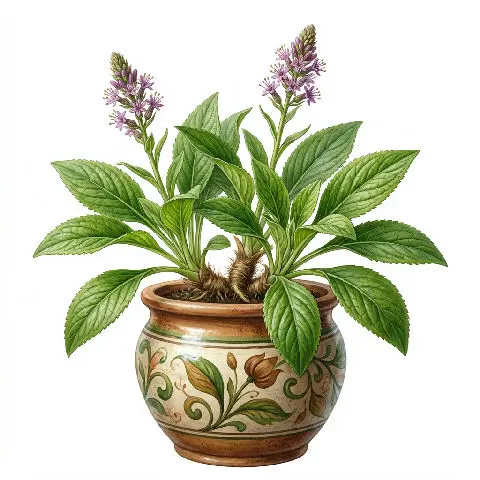
Jatamansi, known scientifically as Nardostachys jatamansi, is a critically endangered perennial herb native to the alpine regions of the Himalayas.
The interesting part about Jatamansi (Spikenard) is that the plant can be discussed from several angles at once: visible form, environmental behavior, traditional context, and modern quality control.
The aim is simple: make the article detailed enough for serious readers while keeping the structure clear enough for fast scanning and confident decision-making.
- Critically Endangered — Native to the high-altitude Himalayas, facing conservation challenges.
- Ancient Medicine — Revered in Ayurveda and Unani for centuries as a nervine tonic.
- Calming & Cognitive — Known for anxiolytic, sedative, antidepressant, and memory-enhancing properties.
- Key Compounds — Rich in sesquiterpenes (e.g., valeranone, nardosinone) and coumarins (jatamansin).
- Cardiovascular Support — Shows promise in regulating blood pressure and protecting heart tissues.
- Limited Clinical Data — Most evidence from traditional use, animal, and in vitro studies
- Human trials are few.
- Avoid in Pregnancy — Safety during pregnancy and lactation is not established, thus contraindicated.
02Jatamansi Botanical Profile
Jatamansi (Spikenard) should be anchored to the correct taxonomic identity before any discussion of care, use, or safety begins.
| Common name | Jatamansi (Spikenard) |
|---|---|
| Scientific name | Nardostachys jatamansiW |
| Family | Caprifoliaceae |
| Order | Dipsacales |
| Genus | Nardostachys |
| Species epithet | jatamansi |
| Author citation | DC. |
| Basionym | Patrinia scabiosifolia">Patrinia jatamansi D.Don |
| Synonyms | Fedia jatamansi Wall., Valeriana jatamansi">Valeriana jatamansi D.Don, Nardostachys jatamansi C.B.Clarke, Nardostachys chinensis Batalin, Patrinia scabiosifolia">Patrinia jatamansi D.Don, Nardostachys gracilis Kitam., Fedia grandiflora Wall., Nardostachys grandiflora">Nardostachys grandiflora Wall., Fedia jatamansi Wall. ex DC., Nardostachys grandiflora Wall. ex DC., Valeriana jatamansi">Valeriana jatamansi (D.Don) Wall., Fedia grandiflora Wall. ex DC. |
| Common names | জটামানসি, স্পাইকনার্ড, Jatamansi, Spikenard, Himalayan Spikenard, जटामांसी |
| Local names | Bhyatajata, Bhootajata, Ganagilamaste, Bhutijata, Jatamanchi, Balchhar, Jatamavshi, Billilotan, Jatamams, Chharguddi, Jata Jatila, Gansong |
| Origin | Himalayan Region |
| Life cycle | Perennial |
| Growth habit | Tree |
Using the accepted scientific name Nardostachys jatamansi helps readers avoid confusion caused by old synonyms, loose common names, or inconsistent plant labels.
Family and order placement also matter because they explain recurring structural traits, likely relatives, and the kinds of mistakes readers often make when they rely on appearance alone.
03Identifying Jatamansi
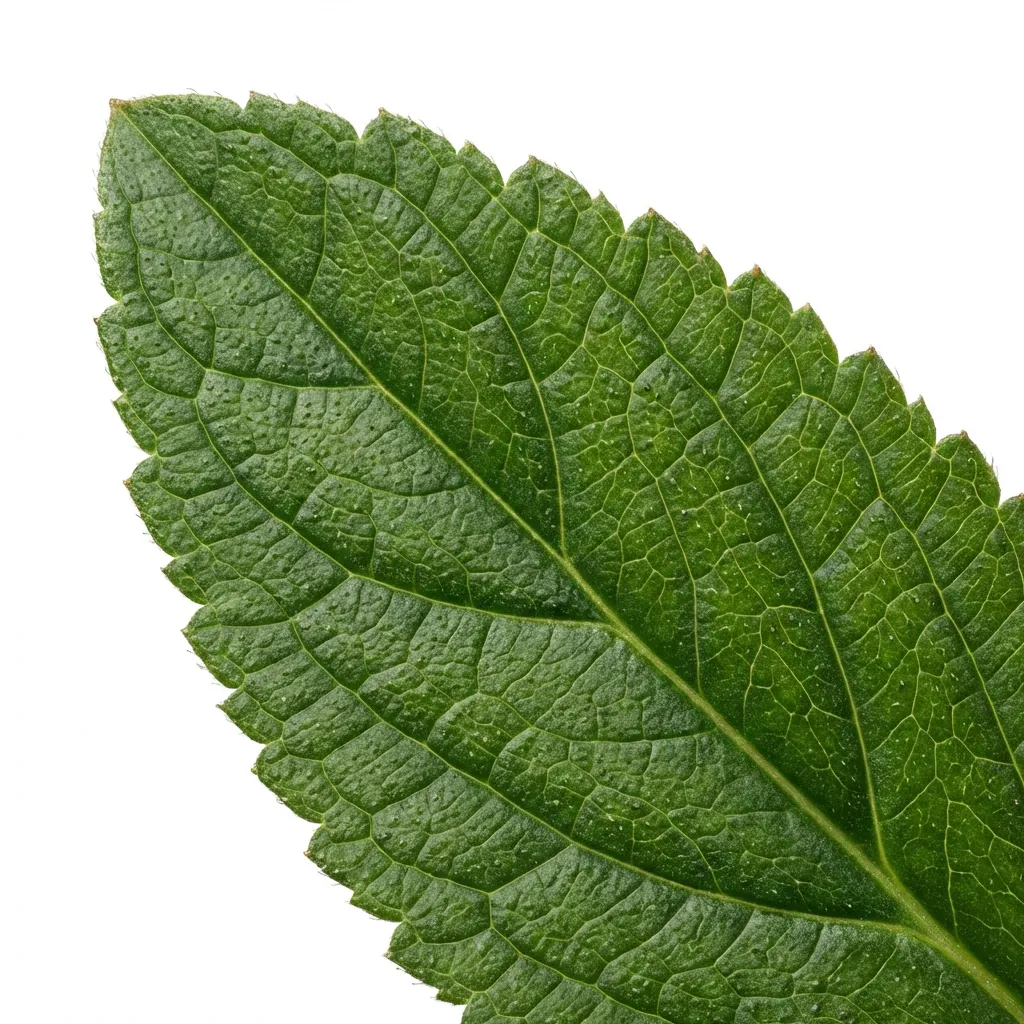
A practical reading of the plant starts with visible structure:
- Leaf: The leaves are lanceolate to ovate, measuring 10-30 cm in length, with a smooth texture and deep green color. They grow in a rosette pattern from.
- Stem: The stems are erect, cylindrical, and can reach heights of 30-100 cm. They are greenish-brown, with a smooth texture.
- Root: Jatamansi has a fleshy, fibrous root system, reaching depths of about 30-40 cm. The rhizomes are thick, aromatic, and typically dark brown on the.
- Flower: The flowers are small, tubular, and fragrant, typically pale purple to white in color, clustered in dense whorls on top of the stem. They bloom in.
- Fruit: The fruit is a small, dry, and indehiscent achene, approximately 3-5 mm in size, brownish, and not commonly utilized medicinally.
- Seed: Seeds are small, about 1-3 mm in size, oval-shaped, and brown. They are dispersed primarily by wind, given their lightweight structure.
Microscopic or internal identification notes deepen the picture, especially for processed material: Occasional presence of non-glandular, uniseriate trichomes on aerial parts; rhizomes are typically devoid of trichomes. Anomocytic stomata, predominantly observed on the abaxial (lower) surface of the leaves. Calcium oxalate crystals, primarily druses and some prismatic forms, are found in the parenchyma cells. Lignified fibers are present in the cortex.
In overall habit, the plant is described as Tree with a mature height around 10–50 cm and spread of Typically 0.2-5 m depending on species.
04Jatamansi: Habitat & Distribution
The native or historically recorded center of distribution for Jatamansi (Spikenard) is Himalayan Region. That origin is more than background trivia; it explains how the plant responds to heat, moisture, shade, and seasonal change.
The plant is associated with the following countries or range markers: Bhutan, India, Nepal.
Environmental notes in the live record add more context: Jatamansi flourishes in humid, temperate climates characteristic of the Himalayan region, ideally between altitudes of 3000 to 5000 meters. The soil needs to be well-drained, rich in organic matter, and slightly acidic to neutral in pH. Direct sunlight can be detrimental, as the plant prefers filtered light, often thriving under the canopy of taller.
In cultivation terms, the main ecological clues are: Usually full sun to partial shade; Moderate; Generally well-drained preferred; Species-dependent; Perennial; Tree.
Physiology data reinforce the habitat story: Possesses a basal respiration rate, which may be lower in cooler temperatures, contributing to energy efficiency in its alpine niche. Stomatal conductance and CO2 assimilation are finely regulated to cope with lower atmospheric pressure and potentially higher UV radiation at high. Endogenous auxins, gibberellins, and cytokinins are crucial in regulating its growth, rhizome development, and overall physiological responses to.
05Jatamansi in Tradition & Culture
Jatamansi, scientifically known as Nardostachys jatamansi, holds a profound and ancient significance rooted deeply in the cultural and medicinal landscapes of its Himalayan homeland. Its historical use is most prominently documented within the Ayurvedic tradition of India, where it has been revered for centuries as a potent remedy. The rhizomes and roots, characterized by their dark grey hue and fibrous texture.
Ethnobotanical records also show how this plant has been framed across different places: Bronchitis in India(Santal) (Duke, 1992 ); Carminative in Turkey (Steinmetz, E.F. 1957. codex Vegetabilis. Published by the author, Amsterdam.); Carminative in China (Shih-chen, Li. 1973. Chinese medinal herbs. Georgetown Press, San Francisco.); Cholera in India(Santal) (Duke, 1992 ); Chorea in Elsewhere (Duke, 1992 ); CNS depressant in India (Duke, 1992 ); Tuberculosis in India(Santal) (Duke, 1992 *); Convulsion in India (Uphof, J.C. Th. 1968. Dictionary of economic plants. 2nd ed. Verlag von J. Cramer.).
Local names help show how different communities notice and classify the plant: Bhyatajata, Bhootajata, Ganagilamaste, Bhutijata, Jatamanchi, Balchhar, Jatamavshi, Billilotan, Jatamams, Chharguddi.
Traditional context matters, but it should always be separated from modern certainty. Historical use can guide questions, yet it does not automatically prove present-day clinical effectiveness.
06Jatamansi Health Benefits
The main benefit themes associated with the plant include:
- Neuro-calming Effects — Jatamansi is highly esteemed as a potent nervine tonic, sedative, and anxiolytic. It helps to calm the mind, reduce nervous tension.
- Cognitive Enhancement — Traditional uses and some studies suggest Jatamansi can improve memory and enhance overall cognitive function. Its neuroprotective.
- Insomnia Relief — As a natural sedative, Jatamansi is traditionally used to promote restful sleep and combat insomnia. It helps to regulate sleep cycles and.
- Antidepressant Properties — Research indicates that Nardostachys jatamansi possesses antidepressant effects, potentially by modulating serotonin transporter.
- Anticonvulsant Activity — Historically, Jatamansi has been employed to manage hysteria, convulsions, and epilepsy. Its bioactive compounds are believed to.
- Neuroprotective Action — The plant's rich antioxidant and anti-inflammatory profile contributes to its neuroprotective capabilities. It helps safeguard brain.
- Blood Pressure Regulation — Clinical studies suggest that Jatamansi may help lower both systolic and diastolic blood pressure in individuals with essential.
- Cardioprotective Benefits — Nardostachys jatamansi has demonstrated protective effects on cardiac tissues, shielding them from oxidative stress, inflammation.
The evidence matrix gives a more careful picture of those claims: Reduces blood pressure in hypertension. Single-blind, randomized, placebo-controlled. Clinical (small-scale human study). A 4-week study with 3g/day showed significant reduction in systolic and diastolic BP in stage 1 hypertension. Alleviates primary insomnia. Small observational study. Clinical (small-scale human study). 4g powdered rhizome with milk 3 times a day for 1 month used in a small study. Exhibits anti-inflammatory effects. Multiple in vitro and rodent studies. Preclinical (animal and in vitro). Demonstrated reduction in inflammatory mediators and cytokine production, especially in pancreatitis and neuroinflammation models. Possesses antioxidant activity. Various in vitro and rodent studies. Preclinical (animal and in vitro). Extracts shown to combat oxidative stress and lipid peroxidation. Exhibits CNS activity (antidepressant, SERT enhancement). In vitro SERT assay, in vivo antidepressant models. Preclinical (animal and in vitro). Compounds like nardochalaristolones enhance serotonin transporter activity; extracts show antidepressant potential in rodent models.
The stored evidence confidence for this profile is traditional. That should shape how strongly any benefit statement is interpreted.
For medicinal content, the key discipline is to distinguish traditional use, mechanism-based plausibility, and human clinical support. Those are related ideas, but they are not the same thing.
- Neuro-calming Effects — Jatamansi is highly esteemed as a potent nervine tonic, sedative, and anxiolytic. It helps to calm the mind, reduce nervous tension.
- Cognitive Enhancement — Traditional uses and some studies suggest Jatamansi can improve memory and enhance overall cognitive function. Its neuroprotective.
- Insomnia Relief — As a natural sedative, Jatamansi is traditionally used to promote restful sleep and combat insomnia. It helps to regulate sleep cycles and.
- Antidepressant Properties — Research indicates that Nardostachys jatamansi possesses antidepressant effects, potentially by modulating serotonin transporter.
- Anticonvulsant Activity — Historically, Jatamansi has been employed to manage hysteria, convulsions, and epilepsy. Its bioactive compounds are believed to.
- Neuroprotective Action — The plant's rich antioxidant and anti-inflammatory profile contributes to its neuroprotective capabilities. It helps safeguard brain.
- Blood Pressure Regulation — Clinical studies suggest that Jatamansi may help lower both systolic and diastolic blood pressure in individuals with essential.
- Cardioprotective Benefits — Nardostachys jatamansi has demonstrated protective effects on cardiac tissues, shielding them from oxidative stress, inflammation.
- Anti-inflammatory Effects — Various extracts of Jatamansi have shown significant anti-inflammatory properties, particularly in models of pancreatitis and.
- Antioxidant Support — Jatamansi is a rich source of antioxidants, which combat free radicals and reduce oxidative damage throughout the body. This contributes.
07Jatamansi Phytochemistry
The broader constituent profile includes Sesquiterpenes — This major class includes valeranone (a sedative component also found in valerian), nardosinone (a. Coumarins — Jatamansin is a significant coumarin isolated from Nardostachys jatamansi, known for its various. Lignans — 8-Hydroxypinoresinol, a furanoid lignan, has been identified. Lignans are known for their antioxidant and. Essential Oils — The volatile oil of Jatamansi rhizomes contains a complex mixture of compounds, predominantly. Flavonoids — Although specific flavonoids are less emphasized in current literature for Jatamansi, this class of. Terpenoids (General) — Beyond sesquiterpenes, other terpenoid structures are present, contributing to the plant's. Alkaloids — While not as prominent as terpenes, minor alkaloid components may be present, which can exert various. Glycosides — These compounds often enhance the solubility and bioavailability of active constituents and can have. Sterols — Plant sterols are natural compounds that can influence hormonal balance and exhibit anti-inflammatory. Phenolic Compounds — Beyond flavonoids, other phenolic acids and compounds contribute to the plant's antioxidant.
The detailed phytochemistry file adds these markers: Valeranone, Sesquiterpene, Rhizome essential oil, Variable%; Nardosinone, Sesquiterpene, Rhizomes, Not specifiedmg/g; Desoxo-narchinol A, Sesquiterpene, Rhizomes, Not specifiedµg/mL; Jatamansin, Coumarin, Rhizomes, Not specified%; 8-Hydroxypinoresinol, Lignan, Rhizomes, Not specifiedmg/g; Nardochalaristolones C-D, Sesquiterpenoid hybrids, Underground parts, Not specifiedµM; Nardoflavaristolone A, Sesquiterpenoid hybrids, Underground parts, Not specifiedµM; Spirojatamol, Sesquiterpenoid, Rhizomes, Not specifiedmg.
Local chemistry records also support the profile: BETA-SITOSTEROL in Root (not available-not available ppm); ALPHA-PINENE in Plant (not available-not available ppm); ANGELICIN in Root (not available-not available ppm); BETA-EUDESMOL in Root (not available-not available ppm); BETA-IONONE in Root (25.0-180.0 ppm); BETA-PINENE in Plant (not available-not available ppm); JATAMANSONE in Root (not available-not available ppm); DELTA-3-CARENE in Plant (not available-not available ppm).
Compound profiles also shift with plant part, age, season, processing, and storage. The chemistry of a fresh leaf, dried root, or concentrated extract should never be treated as automatically identical.
08Jatamansi Preparations & Dosage
Recorded preparation and use methods include Powdered Rhizome — The dried rhizome is ground into a fine powder, commonly taken orally with water or milk, often in dosages like 4g thrice daily for insomnia, as per. Decoction — Prepare a decoction by boiling the dried rhizomes or root pieces in water for 10-15 minutes, then strain and consume as a tonic for nervous conditions or digestive. Infusion — For a milder preparation, steep powdered Jatamansi or small pieces of rhizome in hot water for 5-10 minutes, often consumed as a calming tea. Herbal Capsules/Tablets — Standardized extracts or powdered Jatamansi are available in capsule or tablet form, offering convenient and precise dosing for various ailments. Essential Oil — Jatamansi essential oil is used in aromatherapy for its calming and grounding properties, often diffused or diluted in a carrier oil for topical application. Medicated Oil (Taila) — In Ayurveda, Jatamansi is infused into carrier oils like sesame oil to create medicated oils, used externally for head massage to promote sleep and reduce. Topical Pastes — A paste made from Jatamansi powder and water can be applied topically to the skin for certain skin conditions or to specific areas for localized relief. Ghee Preparations — Jatamansi is sometimes processed with ghee (clarified butter) in Ayurvedic formulations, believed to enhance its neuroprotective and cognitive benefits.
The plant part most closely linked to use is recorded as Leaves, roots, bark, seeds, flowers, or whole plant cited in related taxa.
Edibility and processing notes matter here as well: Species- and plant-part-dependent; verify before use.
Preparation defines the outcome. Tea, decoction, tincture, powder, fresh plant material, cooked food use, and concentrated extract cannot be discussed as if they were interchangeable.
- Identify the exact species and plant part first.
- Match the preparation to the intended use.
- Check safety, interactions, and processing details before routine use or large-scale handling.
09Is Jatamansi Safe? Precautions & Cautions
The first safety note is direct: Species- and plant-part-dependent; verify before use
Specific warnings recorded for this plant include:
- Pregnancy and Lactation — Avoid use during pregnancy and lactation due to insufficient data regarding safety and efficacy in these populations.
- Hypersensitivity — Contraindicated in individuals with a known history of allergic reactions or hypersensitivity to Jatamansi or any of its components.
- Drug Interactions — While no well-documented interactions exist, caution is advised when combining with other medications, especially sedatives, anxiolytics.
- Underlying Health Conditions — Individuals with pre-existing medical conditions, particularly those affecting the cardiovascular or central nervous system.
- Dosage Adherence — Adhere strictly to recommended dosages, as excessive intake may increase the risk of side effects.
- Professional Guidance — Always consult with a qualified healthcare provider or medical herbalist before initiating Jatamansi supplementation, especially for.
- Quality and Sourcing — Ensure purchasing Jatamansi products from reputable sources to avoid adulteration and contamination, given its critically endangered.
- Children and Elderly — Use with caution in children and the elderly due to lack of specific safety data; lower doses may be appropriate under medical supervision.
- Drowsiness — As a sedative herb, Jatamansi may cause drowsiness, especially at higher doses, which could impair driving or operating machinery.
Quality-control notes add another warning: High risk of adulteration due to its critically endangered status and high demand; common adulterants include other Valeriana species, rhizomes of other Nardostachys species, or.
No plant should be described as universally safe. Identity, dose, plant part, preparation style, age, pregnancy status, medication use, allergies, and contamination risk all change the answer.
10Jatamansi Cultivation Guide
The cultivation record emphasizes these practical steps:
- Site Selection — Choose a cool, shaded environment mimicking its high-altitude Himalayan habitat, preferably with northern exposure.
- Soil Requirements — Opt for well-drained, rocky or sandy-loam soils with a slightly acidic to neutral pH (6.0-7.0).
- Altitude and Climate — Best cultivated at higher altitudes (above 2000m) with consistently cool temperatures and high humidity, avoiding extreme heat.
- Propagation — Primarily propagated from rhizome cuttings for faster establishment, but can also be grown from seeds, though germination is often slow and erratic.
- Watering — Maintain consistent soil moisture; regular watering is crucial, especially during dry spells, but avoid waterlogging to prevent rhizome rot.
- Fertilization — Minimal fertilization is needed; a light application of organic compost or a balanced slow-release fertilizer in spring can be beneficial.
The broader growth environment is described like this: Jatamansi flourishes in humid, temperate climates characteristic of the Himalayan region, ideally between altitudes of 3000 to 5000 meters. The soil needs to be well-drained, rich in organic matter, and slightly acidic to neutral in pH. Direct sunlight can be detrimental, as the plant prefers filtered light, often thriving under the canopy of taller.
Planning becomes easier when these traits are kept in view: Tree; 10–50 cm; Typically 0.2-5 m depending on species.
In practice, healthy cultivation comes from systems thinking rather than one-off tricks. Site choice, drainage, timing, spacing, pruning, feeding, and observation all reinforce one another.
11Caring for Jatamansi: Light, Water & Soil
The most useful care snapshot is this: Light: Usually full sun to partial shade; Water: Moderate; Soil: Generally well-drained preferred; USDA zone: Species-dependent.
Outdoors, light, water, and soil must be read together. The same watering schedule can be too much in dense clay and too little in a porous sandy bed.
| Light | Usually full sun to partial shade |
|---|---|
| Water | Moderate |
| Soil | Generally well-drained preferred |
| USDA zone | Species-dependent |
Light, water, and soil should never be treated as separate checkboxes. A plant in stronger light often dries faster, soil texture changes how quickly water moves, and temperature plus humidity influence how stress appears in leaves and roots.
For Jatamansi (Spikenard), the safest care approach is to treat Usually full sun to partial shade, Moderate, and Generally well-drained preferred as linked decisions rather than isolated tips. If one condition shifts, the other two usually need to be reconsidered as well.
Microclimate matters too. Indoors, room placement and airflow can matter as much as window exposure. Outdoors, reflected heat, slope, mulch, and nearby plants can change how the temperature rhythm described for the species and humidity that matches the plant type are actually experienced at plant level.
12Jatamansi Propagation Methods
Documented propagation routes include Jatamansi can be propagated through rhizome division or seed. For rhizome propagation: 1) Choose healthy, mature rhizomes and cut them into sections, ensuring.
Propagation works best when the parent stock is healthy, correctly identified, and handled in the right season. That sounds obvious, but it is exactly where many failures begin.
- Jatamansi can be propagated through rhizome division or seed. For rhizome propagation: 1) Choose healthy, mature rhizomes and cut them into sections, ensuring.
Propagation works best when the reader matches method to biology. Some plants respond readily to cuttings, some to division, some to seed, and others require more patience or more exact seasonal timing.
A successful propagation guide therefore starts with healthy parent material and realistic expectations. Weak stock, rushed handling, and poor aftercare can make even a technically correct method fail.
13Pests, Diseases & Disorders
For medicinal species, pest pressure is not only a horticultural issue. It also affects harvest cleanliness, storage stability, and confidence in the final material.
The smartest response sequence is observation first, environmental correction second, and treatment only after the real pattern is clear.
Pest and disease management is strongest when it begins before visible damage becomes severe. Routine observation, clean handling, sensible spacing, air movement, and balanced watering reduce many problems before treatment is even needed.
When symptoms do appear on Jatamansi (Spikenard), the most reliable response is diagnostic rather than reactive. Yellowing, spots, wilt, chewing, and stunting can all have multiple causes, so a rushed treatment can waste time or worsen the problem.
Good troubleshooting also includes environmental correction. Pests and disease often reveal a deeper issue such as root stress, poor airflow, inconsistent watering, weak light, or exhausted soil structure.
14Jatamansi: Harvest, Storage & Processing
The plant part most often associated with harvest or processing is Leaves, roots, bark, seeds, flowers, or whole plant cited in related taxa.
Storage guidance from the quality-control record reads as follows: Dried material and extracts should be stored in cool, dry, and dark conditions to prevent degradation of volatile compounds and maintain potency.
For medicinal plants, harvesting cannot be separated from processing. The right plant part, the right timing, and the right drying conditions all shape quality and safety.
Whatever the purpose, the rule is the same: harvest clean material, label it clearly, and store it in a way that preserves identity and condition.
Harvest and storage determine whether a plant's quality is preserved after it leaves the bed, pot, field, or wild source. Clean timing, correct plant part selection, and careful drying or handling all matter more than many readers expect.
15Designing a Garden with Jatamansi
In a home herb garden or medicinal bed, Jatamansi (Spikenard) should be placed where harvesting is easy, labeling remains clear, and neighboring plants do not create confusion at collection time.
Companion planting and design are not only aesthetic decisions. They affect airflow, root competition, moisture sharing, harvest access, visibility, and the general logic of the planting scheme.
With Jatamansi (Spikenard), good placement means thinking about mature size, maintenance rhythm, and how neighboring plants change the feel and function of the space. A plant can be healthy on its own and still be poorly placed within the broader composition.
That is why the best design advice combines biology with usability. The planting should look coherent, but it should also make watering, pruning, harvest, and pest observation easier rather than harder.
16What Science Says About Jatamansi
The evidence matrix points to several recurring themes: Reduces blood pressure in hypertension. Single-blind, randomized, placebo-controlled. Clinical (small-scale human study). A 4-week study with 3g/day showed significant reduction in systolic and diastolic BP in stage 1 hypertension. Alleviates primary insomnia. Small observational study. Clinical (small-scale human study). 4g powdered rhizome with milk 3 times a day for 1 month used in a small study. Exhibits anti-inflammatory effects. Multiple in vitro and rodent studies. Preclinical (animal and in vitro). Demonstrated reduction in inflammatory mediators and cytokine production, especially in pancreatitis and neuroinflammation models. Possesses antioxidant activity. Various in vitro and rodent studies. Preclinical (animal and in vitro). Extracts shown to combat oxidative stress and lipid peroxidation. Exhibits CNS activity (antidepressant, SERT enhancement). In vitro SERT assay, in vivo antidepressant models. Preclinical (animal and in vitro). Compounds like nardochalaristolones enhance serotonin transporter activity; extracts show antidepressant potential in rodent models.
Ethnobotanical activity records add historical reference trails: Bronchitis — India(Santal) [Duke, 1992 ]; Carminative — Turkey [Steinmetz, E.F. 1957. codex Vegetabilis. Published by the author, Amsterdam.]; Carminative — China [Shih-chen, Li. 1973. Chinese medinal herbs. Georgetown Press, San Francisco.]; Cholera — India(Santal) [Duke, 1992 ]; Chorea — Elsewhere [Duke, 1992 ]; CNS depressant — India [Duke, 1992 ].
The compiled source count behind the live profile is 8. That does not guarantee certainty, but it does suggest the record has been cross-checked beyond a single note.
Analytical testing notes also strengthen the evidence base: Quality assurance involves HPLC for marker compound quantification, GC-MS for essential oil profiling, microscopy for botanical identification, and tests for heavy metals.
A careful evidence section should say what is known, what is plausible, and what remains uncertain. Readers are better served by clear limits than by exaggerated confidence.
Evidence note: this section blends the live plant record, local ethnobotanical activity data, chemistry records, and the linked Flora Medical Global plant profile for Jatamansi (Spikenard).
17Buying Jatamansi: Expert Tips
Quality markers worth checking include Valeranone, Nardosinone, Jatamansone, and Jatamansin are key marker compounds used for identification and quantification of Nardostachys jatamansi extracts.
Adulteration and substitution risk should not be ignored: High risk of adulteration due to its critically endangered status and high demand; common adulterants include other Valeriana species, rhizomes of other Nardostachys species, or.
When buying Jatamansi (Spikenard), start with verified botanical identity. The label, scientific name, and the source page should agree before you judge price, size, or claimed benefits.
For living plants, inspect roots, stem firmness, foliage health, and early pest signs. For dried or processed material, look for batch clarity, clean aroma, absence of mold, and any sign that the product has been over-processed to disguise poor quality.
18Frequently Asked Questions
What is Jatamansi (Spikenard) best known for?
Jatamansi, known scientifically as Nardostachys jatamansi, is a critically endangered perennial herb native to the alpine regions of the Himalayas.
Is Jatamansi (Spikenard) beginner-friendly?
That depends on the growing environment and the intended use. Some plants are easy to grow but not simple to use medicinally, while others are the opposite.
How much light does Jatamansi (Spikenard) need?
Usually full sun to partial shade
How often should Jatamansi (Spikenard) be watered?
Moderate
Can Jatamansi (Spikenard) be propagated at home?
Yes, but the best method depends on whether the species responds best to seed, cuttings, division, offsets, or other propagation routes.
Does Jatamansi (Spikenard) have safety concerns?
Species- and plant-part-dependent; verify before use
What is the biggest mistake people make with Jatamansi (Spikenard)?
The most common mistake is applying generic advice instead of matching the plant to its real environment, identity, and limits.
Where can I verify more information about Jatamansi (Spikenard)?
Start with the Flora Medical Global plant profile: https://www.floramedicalglobal.com/medicinal-plants/jatamansi-spikenard
Why do sources sometimes disagree about Jatamansi (Spikenard)?
Different references may use different synonyms, plant parts, cultivation conditions, or evidence standards. That is why taxonomy and source quality both matter.
19Jatamansi: References & Further Reading
Authoritative sources and related guides:
- Wikipedia — background reference
- PubMed — peer-reviewed studies
- Kew POWO — botanical reference
- NCBI PMC — open-access research
- WHO — global health authority
Related on Flora Medical Global
Reviewed by the Flora Medical Global Botanical Review Panel
Multi-disciplinary editorial group · Botany · Ethnobotany · Herbal-medicine literature
Who reviewed this: This page was checked by the Flora Medical Global Botanical Review Panel — an in-house editorial group of botany graduates, ethnobotany researchers, and horticulture practitioners who collectively maintain our 7,000+ plant encyclopedia. Meet the team.
Our 4-step verification process
1. Taxonomic verification
Scientific names and synonyms cross-checked against Kew POWO, World Flora Online, and The Plant List.
2. Phytochemical & medicinal cross-reference
Active compounds, traditional uses, and reported activities are cross-referenced with PubMed, USDA Dr. Duke's database, and peer-reviewed ethnobotanical literature.
3. Conservation & distribution check
Distribution, ecology, and conservation status confirmed against GBIF occurrence records and the IUCN Red List.
4. Editorial & safety review
Every entry passes an editorial pass for clarity, originality, and safety notices (toxicity, contraindications, dosage caveats) before publication.
Last reviewed:
Important medical disclaimer: This content is for educational and research purposes only. It is not medical advice and is not a substitute for consultation with a licensed healthcare provider. Do not use any herb to self-treat a medical condition without professional guidance.
Explore Our Platforms
 InfiniCore DataWorks
 Nex-Automata
Comments (0)
No comments yet. Be the first!