Kutki: Benefits, Uses & Safety
 Flora Medical GlobalPublished: 4/10/2026Updated: 6/16/202620 min read
Editorial Disclaimer: This article is for informational and educational purposes only. It is not a substitute for professional medical advice, diagnosis, or treatment. Always consult a qualified healthcare provider or certified herbalist before using any plant for medicinal purposes, especially if you are pregnant, nursing, taking medication, or have a medical condition.
01What is Kutki?
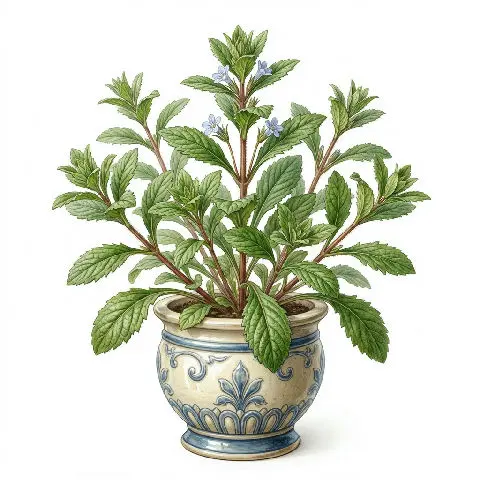
Kutki, scientifically known as Picrorhiza kurroa Royle ex Benth., is a revered perennial herb belonging to the Plantaginaceae family.
Most thin plant articles flatten everything into a summary. This guide does the opposite by following Kutki through identification, care, handling, and the questions that real readers actually ask.
Use this guide as a practical reference, then compare it with the detailed plant profile at https://www.floramedicalglobal.com/plant/kutki whenever you want to confirm the source page itself.
- Himalayan herb, Picrorhiza kurroa, vital in Ayurvedic medicine for millennia.
- Renowned for its potent hepatoprotective properties, especially liver cell protection.
- Powerful immunomodulator, balancing the body's immune responses.
- Exhibits strong anti-inflammatory and antioxidant actions due to active picrosides.
- Traditionally used for fevers, indigestion, asthma, and various skin conditions.
- Critically endangered species, emphasizing the need for sustainable cultivation.
- Crucial to consult a healthcare expert before use, particularly for pregnant individuals or those on medication.
02Kutki Botanical Profile
Kutki should be anchored to the correct taxonomic identity before any discussion of care, use, or safety begins.
| Common name | Kutki |
|---|---|
| Scientific name | Picrorhiza kurroa Royle ex Benth.W |
| Family | Plantaginaceae |
| Order | Lamiales |
| Genus | Picrorhiza |
| Species epithet | kurroa Royle ex Benth. |
| Author citation | Benth. |
| Synonyms | Picrorhiza lindleyana (Wall.) Wettst., Veronica lindleyana Wall., Picrorhiza kurrooa Royle, Valeriana lindleyana Wall., Picrorhiza lindleyana (Wall.) Steud. |
| Common names | কুটকি, পিকরোহিজা কুরোয়া, Kutki, Hellebore, Indian Gentian, कुटकी, कड़वी |
| Local names | Kadu, Hu Huang Lian, Kutki |
| Origin | Himalayan region of India, Nepal, Bhutan, and China |
| Life cycle | Annual or perennial |
| Growth habit | Herbaceous plant |
Using the accepted scientific name Picrorhiza kurroa Royle ex Benth. helps readers avoid confusion caused by old synonyms, loose common names, or inconsistent plant labels.
Family and order placement also matter because they explain recurring structural traits, likely relatives, and the kinds of mistakes readers often make when they rely on appearance alone.
03Identifying Kutki
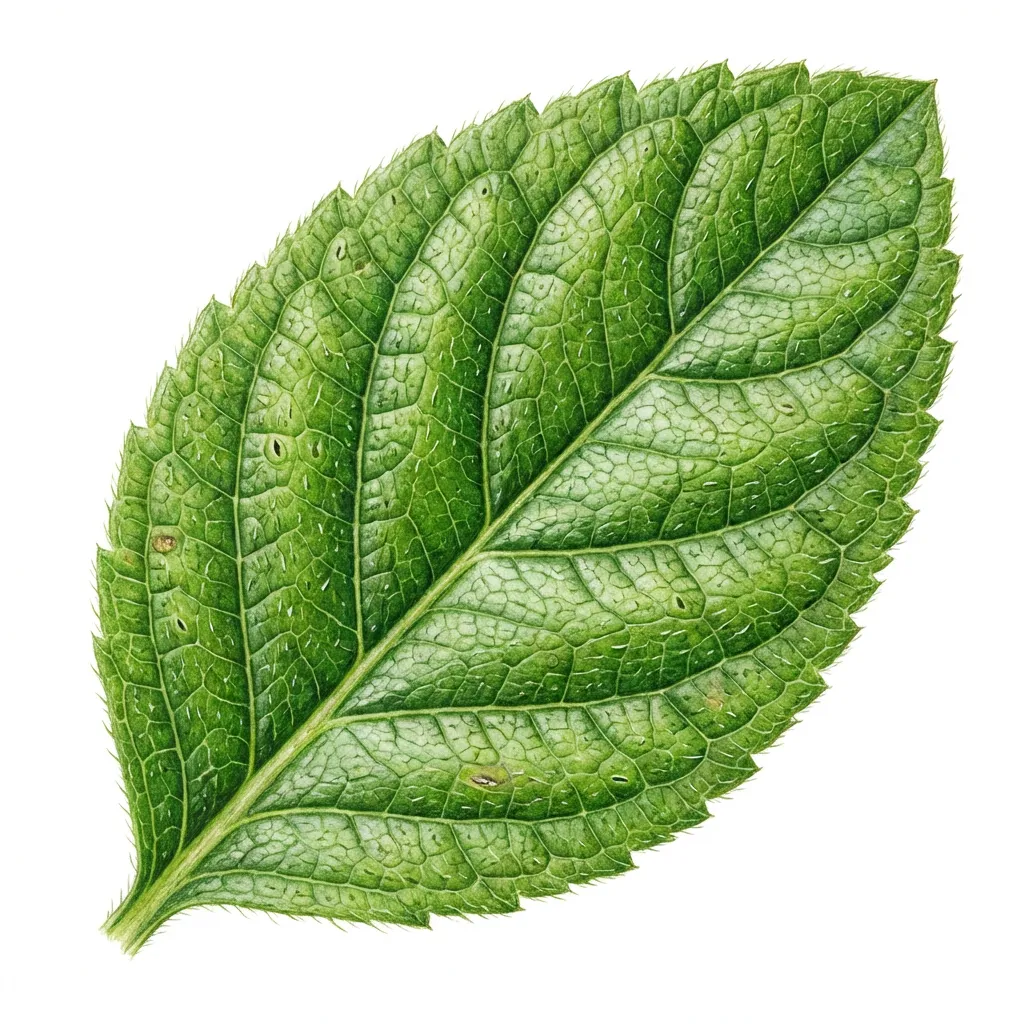
A practical reading of the plant starts with visible structure:
- Leaf: Leaves are lanceolate, measuring 3-10 cm in length and 1-3 cm in width, arranged alternately on the stem. They have smooth margins, distinct.
- Stem: Stems are erect, herbaceous, and can reach heights of 30-60 cm. They are green with a slightly hairy texture, particularly when young, becoming.
- Root: The root system consists of thick, fleshy rhizomes that can extend up to 20 cm in depth and are typically light brown to yellowish in color with a.
- Flower: Flowers are tuberous and pale purple in color, around 2-3 cm in diameter, arranged in axillary racemes from May to June, contributing to the plant's.
- Fruit: The fruit is a dehiscent capsule, typically 1-2 cm long, containing several small seeds that are elongated and brown. Fruits are not commonly.
- Seed: Seeds are small, oval, and brown, measuring about 2-5 mm, with a dispersal mechanism primarily by wind or water.
Microscopic or internal identification notes deepen the picture, especially for processed material: Non-glandular, uniseriate, multicellular trichomes are observed on the aerial parts of the plant, though they are sparse on the rhizome surface. Leaves primarily display anomocytic or ranunculaceous stomata, irregularly arranged without specific accessory cells. Parenchyma cells within the rhizome often contain calcium oxalate crystals, typically in the form of prisms or rosettes. Lignified fibers are.
In overall habit, the plant is described as Herbaceous plant with a mature height around Typically 0.2-1.5 m and spread of Typically 0.2-1 m.
04Where Kutki Grows
The native or historically recorded center of distribution for Kutki is Himalayan region of India, Nepal, Bhutan, and China. That origin is more than background trivia; it explains how the plant responds to heat, moisture, shade, and seasonal change.
The plant is associated with the following countries or range markers: Bhutan, China, India, Nepal.
Environmental notes in the live record add more context: Kutki requires specific growing conditions to thrive, reflecting its endemic habitat. The ideal climate is characterized by cool temperatures, with optimal conditions ranging from 10°C to 20°C. It is commonly found in altitudes between 3,000 to 4,500 meters, often in rocky or gravelly soils that are well-drained. The soil should be moderately fertile.
In cultivation terms, the main ecological clues are: Full sun to partial shade; Moderate; Well-drained to evenly moist; Species-dependent; often grown in warm seasons; Annual or perennial; Herbaceous plant.
Physiology data reinforce the habitat story: Basal respiration rates are adapted to the alpine environment, likely showing efficiency in energy utilization under fluctuating temperature regimes. Gas exchange patterns are consistent with C3 plants, optimized for carbon dioxide uptake and oxygen release under cooler temperatures and moderate. Auxins and cytokinins play crucial roles in regulating rhizome development, shoot elongation, and overall growth and differentiation processes.
05Kutki: Traditional Importance
Kutki, or Picrorhiza kurroa, holds a profound and ancient significance within the traditional medicine systems of the Himalayan region, most notably Ayurveda. For centuries, its bitter rhizome has been a cornerstone in the treatment of a wide array of ailments, particularly those affecting the liver and digestive system. In Ayurvedic texts, it is often referred to by names like "Kutki" or "Katuka," highlighting.
Ethnobotanical records also show how this plant has been framed across different places: Ethnobotanical, nutritional, or phytochemical activity reported in related taxa in Worldwide; especially temperate and subtropical regions (https://api.gbif.org/v1/species/3727300; https://api.gbif.org/v1/species/3727300/vernacularNames?limit=100; https://api.gbif.org/v1/species/3727300/synonyms?limit=100; https://api.gbif.org/v1/species/3727300/distributions?limit=200; AI heuristic estimate from taxonomy/common-name patterns; verify manually. AI-inferred Country/Region from taxonomy/name patterns; verify manually.).
Local names help show how different communities notice and classify the plant: Kadu, Hu Huang Lian, Kutki.
Traditional context matters, but it should always be separated from modern certainty. Historical use can guide questions, yet it does not automatically prove present-day clinical effectiveness.
06Kutki Health Benefits
The main benefit themes associated with the plant include:
- Hepatoprotective — Kutki is profoundly celebrated for its ability to protect liver cells from various toxins and promote their regeneration. Its active.
- Immunomodulatory — This herb exhibits a remarkable capacity to modulate the immune system, meaning it can both stimulate and suppress immune responses as.
- Anti-inflammatory — The iridoid glycosides and phenolic compounds in Kutki possess potent anti-inflammatory properties. They work by inhibiting the production.
- Antioxidant — Kutki is rich in antioxidant compounds that effectively scavenge harmful free radicals, protecting cells from oxidative stress and damage. This.
- Antipyretic — Traditionally, Kutki has been used to reduce fever, earning it a reputation as a natural antipyretic. It helps to bring down elevated body.
- Digestive Aid — Its intense bitter taste stimulates the secretion of digestive enzymes and bile, thereby improving digestion and appetite. It can alleviate.
- Antiasthmatic — Kutki has shown promise in managing respiratory conditions like asthma due to its anti-inflammatory and bronchodilatory effects. It can help.
- Antiallergic — By modulating histamine release and other allergic mediators, Kutki can help reduce the severity of allergic reactions. This makes it a.
The evidence matrix gives a more careful picture of those claims: Hepatoprotective Activity. Clinical trials, animal studies, in vitro studies. High. Picrosides I and II are well-documented to protect liver cells from various toxins, reduce inflammation, and promote regeneration, validated by both traditional use and modern research. Immunomodulatory Effects. Animal studies, in vitro studies, some human observations. Moderate to High. Kutki demonstrates the ability to balance immune responses, enhancing both humoral and cell-mediated immunity, making it useful for various immune-related conditions. Anti-inflammatory Properties. Animal studies, in vitro studies. High. Active compounds in Kutki effectively inhibit key inflammatory mediators, proving beneficial for conditions like arthritis, asthma, and general systemic inflammation. Antioxidant Activity. In vitro studies, animal studies. Moderate. Kutki scavenges free radicals and reduces oxidative stress, a mechanism contributing to its protective effects on the liver and other tissues. Antiasthmatic Effects. Animal studies, some clinical observations. Moderate. It helps alleviate asthma symptoms by reducing airway inflammation and potentially exhibiting bronchodilatory effects, supported by traditional use for respiratory issues.
The stored evidence confidence for this profile is traditional. That should shape how strongly any benefit statement is interpreted.
For medicinal content, the key discipline is to distinguish traditional use, mechanism-based plausibility, and human clinical support. Those are related ideas, but they are not the same thing.
- Hepatoprotective — Kutki is profoundly celebrated for its ability to protect liver cells from various toxins and promote their regeneration. Its active.
- Immunomodulatory — This herb exhibits a remarkable capacity to modulate the immune system, meaning it can both stimulate and suppress immune responses as.
- Anti-inflammatory — The iridoid glycosides and phenolic compounds in Kutki possess potent anti-inflammatory properties. They work by inhibiting the production.
- Antioxidant — Kutki is rich in antioxidant compounds that effectively scavenge harmful free radicals, protecting cells from oxidative stress and damage. This.
- Antipyretic — Traditionally, Kutki has been used to reduce fever, earning it a reputation as a natural antipyretic. It helps to bring down elevated body.
- Digestive Aid — Its intense bitter taste stimulates the secretion of digestive enzymes and bile, thereby improving digestion and appetite. It can alleviate.
- Antiasthmatic — Kutki has shown promise in managing respiratory conditions like asthma due to its anti-inflammatory and bronchodilatory effects. It can help.
- Antiallergic — By modulating histamine release and other allergic mediators, Kutki can help reduce the severity of allergic reactions. This makes it a.
- Dermatological Support — Due to its anti-inflammatory and detoxifying properties, Kutki is traditionally used for various skin conditions such as eczema and.
- Antidiabetic Potential — Preliminary research suggests that Kutki may contribute to blood sugar regulation and improve insulin sensitivity. This offers.
07Active Compounds in Kutki
The broader constituent profile includes:
- Iridoid Glycosides — These are the primary active compounds responsible for many of Kutki's therapeutic effects.
- Cucurbitacins — A class of triterpenoid compounds found in Kutki, known for their significant anti-inflammatory and.
- Phenolic Acids — Key examples include Apocynin (acetovanillone), ferulic acid, and vanillic acid. These compounds are.
- Flavonoids — Compounds like luteolin and apigenin are present, offering strong antioxidant, anti-inflammatory, and.
- Alkaloids — While present in smaller quantities, various alkaloids may contribute to Kutki's overall biological.
- Sterols — Beta-sitosterol is a notable phytosterol found in Kutki, recognized for its anti-inflammatory properties and.
- Glycosides — A broad category encompassing compounds where a sugar molecule is attached to a non-sugar component. The.
- Triterpenes — Beyond cucurbitacins, other triterpenoid structures may be found, contributing to the plant's.
- Polysaccharides — These complex carbohydrates are known for their immunomodulatory effects, helping to fine-tune the.
- Volatile Oils — Present in minor amounts, these contribute to the plant's characteristic aroma and may offer some.
The detailed phytochemistry file adds these markers: Picroside I, Iridoid glycoside, Rhizome, N/AN/A; Picroside II, Iridoid glycoside, Rhizome, N/AN/A; Kutkoside, Iridoid glycoside, Rhizome, N/AN/A; Apocynin (Acetovanillone), Phenolic acid, Rhizome, N/AN/A; Cucurbitacins, Triterpenoid, Rhizome, N/AN/A; Luteolin, Flavonoid, Rhizome, N/AN/A; Beta-sitosterol, Phytosterol, Rhizome, N/AN/A; Gallic Acid, Phenolic acid, Rhizome, N/AN/A.
Compound profiles also shift with plant part, age, season, processing, and storage. The chemistry of a fresh leaf, dried root, or concentrated extract should never be treated as automatically identical.
08Kutki Preparations & Dosage
Recorded preparation and use methods include Traditional Powder (Churna) — The dried rhizome is ground into a fine powder and taken orally, often mixed with honey or warm water, as per Ayurvedic recommendations. Decoction (Kwath) — A common preparation involves boiling the dried rhizome pieces or powder in water to extract its active compounds, then consumed as a tea. Standardized Extracts — Modern preparations include capsules and tablets containing standardized extracts, ensuring a consistent concentration of active compounds like picrosides. Dosage — The appropriate dosage varies significantly based on the preparation, the specific condition being treated, and individual patient factors; always consult a qualified practitioner. Liver Support — For liver disorders, a decoction or powder is typically recommended, often taken on an empty stomach for better absorption. Digestive Issues — A small amount of Kutki powder, sometimes mixed with ginger or black pepper, is used to stimulate digestion and alleviate dyspepsia. External Application (Lepa) — A paste made from the rhizome powder can be applied topically for certain skin conditions to reduce inflammation.
The plant part most closely linked to use is recorded as Leaves, flowers, roots, seeds, or whole herb cited in related taxa.
Edibility and processing notes matter here as well: Varies by species and plant part; verify before use.
Preparation defines the outcome. Tea, decoction, tincture, powder, fresh plant material, cooked food use, and concentrated extract cannot be discussed as if they were interchangeable.
- Identify the exact species and plant part first.
- Match the preparation to the intended use.
- Check safety, interactions, and processing details before routine use or large-scale handling.
09Kutki Side Effects & Safety
The first safety note is direct: Varies by species and plant part; verify before use
Specific warnings recorded for this plant include:
- Pregnancy and Lactation — Contraindicated during pregnancy and breastfeeding due to insufficient safety data and potential emmenagogue effects.
- Children — Use with extreme caution in children and only under the direct supervision of a qualified healthcare practitioner.
- Pre-existing Conditions — Individuals with gallstones, bile duct obstruction, severe liver disease, diabetes, or autoimmune conditions should use Kutki with.
- Medication Interactions — Consult a healthcare provider if taking prescription medications, especially anticoagulants (blood thinners), immunosuppressants, or.
- Dosage Adherence — Strictly adhere to recommended dosages from a qualified practitioner; excessive doses can lead to adverse effects.
- Product Quality — Use only high-quality, standardized products from reputable sources to avoid adulteration and contamination.
- Allergies — Avoid use if allergic to any plants in the Plantaginaceae family or to Kutki itself.
- Prior to Surgery — Discontinue Kutki at least two weeks before any scheduled surgery due to its potential effects on blood clotting and blood pressure.
- Autoimmune Diseases — While immunomodulatory, use with caution in autoimmune conditions as its effects can be complex and require careful monitoring.
Quality-control notes add another warning: High risk of adulteration due to its endangered status and high demand; common adulterants include the rhizomes of Gentiana kurroo, Veratrum album, and other Picrorhiza species.
No plant should be described as universally safe. Identity, dose, plant part, preparation style, age, pregnancy status, medication use, allergies, and contamination risk all change the answer.
10Growing Kutki Successfully
The cultivation record emphasizes these practical steps:
- Conservation Necessity — Due to its endangered status from overharvesting, sustainable cultivation is critically important for Picrorhiza kurroa.
- Propagation — Primarily propagated through rhizome cuttings, which ensures genetic consistency, or from seeds, though seed germination can be challenging.
- Climate Requirements — Thrives in cool temperate to alpine climates, mimicking its natural high-altitude Himalayan habitat, requiring specific temperature fluctuations.
- Soil Conditions — Prefers rocky, well-drained, sandy-loam soils that are slightly acidic to neutral, similar to its native alpine slopes.
- Light Exposure — Requires partial shade to full sun, with more sun exposure tolerated in cooler, higher altitude conditions.
- Watering — Needs consistent, moderate moisture, but is highly susceptible to root rot in waterlogged conditions, so excellent drainage is vital.
- Harvesting — Rhizomes are typically harvested after 2-3 years of growth, usually in late autumn when active compounds are at their peak.
- Fertilization — Benefits from minimal organic fertilization, such as well-rotted compost, to enrich the soil without over-saturating it.
The broader growth environment is described like this: Kutki requires specific growing conditions to thrive, reflecting its endemic habitat. The ideal climate is characterized by cool temperatures, with optimal conditions ranging from 10°C to 20°C. It is commonly found in altitudes between 3,000 to 4,500 meters, often in rocky or gravelly soils that are well-drained. The soil should be moderately fertile.
Planning becomes easier when these traits are kept in view: Herbaceous plant; Typically 0.2-1.5 m; Typically 0.2-1 m.
In practice, healthy cultivation comes from systems thinking rather than one-off tricks. Site choice, drainage, timing, spacing, pruning, feeding, and observation all reinforce one another.
11Caring for Kutki: Light, Water & Soil
The most useful care snapshot is this: Light: Full sun to partial shade; Water: Moderate; Soil: Well-drained to evenly moist; USDA zone: Species-dependent; often grown in warm seasons.
Outdoors, light, water, and soil must be read together. The same watering schedule can be too much in dense clay and too little in a porous sandy bed.
| Light | Full sun to partial shade |
|---|---|
| Water | Moderate |
| Soil | Well-drained to evenly moist |
| USDA zone | Species-dependent; often grown in warm seasons |
Light, water, and soil should never be treated as separate checkboxes. A plant in stronger light often dries faster, soil texture changes how quickly water moves, and temperature plus humidity influence how stress appears in leaves and roots.
For Kutki, the safest care approach is to treat Full sun to partial shade, Moderate, and Well-drained to evenly moist as linked decisions rather than isolated tips. If one condition shifts, the other two usually need to be reconsidered as well.
Microclimate matters too. Indoors, room placement and airflow can matter as much as window exposure. Outdoors, reflected heat, slope, mulch, and nearby plants can change how the temperature rhythm described for the species and humidity that matches the plant type are actually experienced at plant level.
12Kutki Propagation Methods
Documented propagation routes include Kutki can be propagated through seeds or vegetative methods. 1. Seeds: Collect mature seeds and store them in a cool, dry place. Sow seeds in well-drained.
Propagation works best when the parent stock is healthy, correctly identified, and handled in the right season. That sounds obvious, but it is exactly where many failures begin.
- Kutki can be propagated through seeds or vegetative methods. 1. Seeds: Collect mature seeds and store them in a cool, dry place. Sow seeds in well-drained.
Propagation works best when the reader matches method to biology. Some plants respond readily to cuttings, some to division, some to seed, and others require more patience or more exact seasonal timing.
A successful propagation guide therefore starts with healthy parent material and realistic expectations. Weak stock, rushed handling, and poor aftercare can make even a technically correct method fail.
13Protecting Kutki from Pests & Disease
For medicinal species, pest pressure is not only a horticultural issue. It also affects harvest cleanliness, storage stability, and confidence in the final material.
The smartest response sequence is observation first, environmental correction second, and treatment only after the real pattern is clear.
Pest and disease management is strongest when it begins before visible damage becomes severe. Routine observation, clean handling, sensible spacing, air movement, and balanced watering reduce many problems before treatment is even needed.
When symptoms do appear on Kutki, the most reliable response is diagnostic rather than reactive. Yellowing, spots, wilt, chewing, and stunting can all have multiple causes, so a rushed treatment can waste time or worsen the problem.
Good troubleshooting also includes environmental correction. Pests and disease often reveal a deeper issue such as root stress, poor airflow, inconsistent watering, weak light, or exhausted soil structure.
14Harvesting & Storing Kutki
The plant part most often associated with harvest or processing is Leaves, flowers, roots, seeds, or whole herb cited in related taxa.
Storage guidance from the quality-control record reads as follows: Dried rhizomes and extracts should be stored in cool, dry, dark, and airtight containers to prevent degradation of active iridoid glycosides and to protect against moisture.
For medicinal plants, harvesting cannot be separated from processing. The right plant part, the right timing, and the right drying conditions all shape quality and safety.
Whatever the purpose, the rule is the same: harvest clean material, label it clearly, and store it in a way that preserves identity and condition.
Harvest and storage determine whether a plant's quality is preserved after it leaves the bed, pot, field, or wild source. Clean timing, correct plant part selection, and careful drying or handling all matter more than many readers expect.
15Companion Plants for Kutki
In a home herb garden or medicinal bed, Kutki should be placed where harvesting is easy, labeling remains clear, and neighboring plants do not create confusion at collection time.
Companion planting and design are not only aesthetic decisions. They affect airflow, root competition, moisture sharing, harvest access, visibility, and the general logic of the planting scheme.
With Kutki, good placement means thinking about mature size, maintenance rhythm, and how neighboring plants change the feel and function of the space. A plant can be healthy on its own and still be poorly placed within the broader composition.
That is why the best design advice combines biology with usability. The planting should look coherent, but it should also make watering, pruning, harvest, and pest observation easier rather than harder.
16Research on Kutki
The evidence matrix points to several recurring themes: Hepatoprotective Activity. Clinical trials, animal studies, in vitro studies. High. Picrosides I and II are well-documented to protect liver cells from various toxins, reduce inflammation, and promote regeneration, validated by both traditional use and modern research. Immunomodulatory Effects. Animal studies, in vitro studies, some human observations. Moderate to High. Kutki demonstrates the ability to balance immune responses, enhancing both humoral and cell-mediated immunity, making it useful for various immune-related conditions. Anti-inflammatory Properties. Animal studies, in vitro studies. High. Active compounds in Kutki effectively inhibit key inflammatory mediators, proving beneficial for conditions like arthritis, asthma, and general systemic inflammation. Antioxidant Activity. In vitro studies, animal studies. Moderate. Kutki scavenges free radicals and reduces oxidative stress, a mechanism contributing to its protective effects on the liver and other tissues. Antiasthmatic Effects. Animal studies, some clinical observations. Moderate. It helps alleviate asthma symptoms by reducing airway inflammation and potentially exhibiting bronchodilatory effects, supported by traditional use for respiratory issues.
Ethnobotanical activity records add historical reference trails: Ethnobotanical, nutritional, or phytochemical activity reported in related taxa — Worldwide; especially temperate and subtropical regions [https://api.gbif.org/v1/species/3727300; https://api.gbif.org/v1/species/3727300/vernacularNames?limit=100; https://api.gbif.org/v1/species/3727300/synonyms?limit=100; https://api.gbif.org/v1/species/3727300/distributions?limit=200; AI heuristic estimate from taxonomy/common-name patterns; verify manually. AI-inferred Country/Region from taxonomy/name patterns; verify manually.].
The compiled source count behind the live profile is 7. That does not guarantee certainty, but it does suggest the record has been cross-checked beyond a single note.
Analytical testing notes also strengthen the evidence base: Sophisticated analytical methods such as High-Performance Liquid Chromatography (HPLC) and High-Performance Thin-Layer Chromatography (HPTLC) are employed for quantification of.
A careful evidence section should say what is known, what is plausible, and what remains uncertain. Readers are better served by clear limits than by exaggerated confidence.
Evidence note: this section blends the live plant record, local ethnobotanical activity data, chemistry records, and the linked Flora Medical Global plant profile for Kutki.
17Buying Kutki: Expert Tips
Quality markers worth checking include Picroside I, Picroside II, and Kutkoside are the primary marker compounds used for standardization and quality assessment of Picrorhiza kurroa extracts and raw material.
Adulteration and substitution risk should not be ignored: High risk of adulteration due to its endangered status and high demand; common adulterants include the rhizomes of Gentiana kurroo, Veratrum album, and other Picrorhiza species.
When buying Kutki, start with verified botanical identity. The label, scientific name, and the source page should agree before you judge price, size, or claimed benefits.
For living plants, inspect roots, stem firmness, foliage health, and early pest signs. For dried or processed material, look for batch clarity, clean aroma, absence of mold, and any sign that the product has been over-processed to disguise poor quality.
18Kutki FAQ
What is Kutki best known for?
Kutki, scientifically known as Picrorhiza kurroa Royle ex Benth., is a revered perennial herb belonging to the Plantaginaceae family.
Is Kutki beginner-friendly?
That depends on the growing environment and the intended use. Some plants are easy to grow but not simple to use medicinally, while others are the opposite.
How much light does Kutki need?
Full sun to partial shade
How often should Kutki be watered?
Moderate
Can Kutki be propagated at home?
Yes, but the best method depends on whether the species responds best to seed, cuttings, division, offsets, or other propagation routes.
Does Kutki have safety concerns?
Varies by species and plant part; verify before use
What is the biggest mistake people make with Kutki?
The most common mistake is applying generic advice instead of matching the plant to its real environment, identity, and limits.
Where can I verify more information about Kutki?
Start with the Flora Medical Global plant profile: https://www.floramedicalglobal.com/plant/kutki
Why do sources sometimes disagree about Kutki?
Different references may use different synonyms, plant parts, cultivation conditions, or evidence standards. That is why taxonomy and source quality both matter.
How should I read a long guide about Kutki without getting overwhelmed?
Start with identity, habitat, and safety first. Once those are clear, the care, use, and research sections become much easier to interpret correctly.
19Kutki: References & Further Reading
Authoritative sources and related guides:
- Wikipedia — background reference
- PubMed — peer-reviewed studies
- Kew POWO — botanical reference
- NCBI PMC — open-access research
- WHO — global health authority
Related on Flora Medical Global
Reviewed by the Flora Medical Global Botanical Review Panel
Multi-disciplinary editorial group · Botany · Ethnobotany · Herbal-medicine literature
Who reviewed this: This page was checked by the Flora Medical Global Botanical Review Panel — an in-house editorial group of botany graduates, ethnobotany researchers, and horticulture practitioners who collectively maintain our 7,000+ plant encyclopedia. Meet the team.
Our 4-step verification process
1. Taxonomic verification
Scientific names and synonyms cross-checked against Kew POWO, World Flora Online, and The Plant List.
2. Phytochemical & medicinal cross-reference
Active compounds, traditional uses, and reported activities are cross-referenced with PubMed, USDA Dr. Duke's database, and peer-reviewed ethnobotanical literature.
3. Conservation & distribution check
Distribution, ecology, and conservation status confirmed against GBIF occurrence records and the IUCN Red List.
4. Editorial & safety review
Every entry passes an editorial pass for clarity, originality, and safety notices (toxicity, contraindications, dosage caveats) before publication.
Last reviewed:
Important medical disclaimer: This content is for educational and research purposes only. It is not medical advice and is not a substitute for consultation with a licensed healthcare provider. Do not use any herb to self-treat a medical condition without professional guidance.
Explore Our Platforms
 InfiniCore DataWorks
 Nex-Automata
Comments (0)
No comments yet. Be the first!