100+ Powerful Medicinal Plants and Their Uses — The Complete Science-Backed Guide (2026)
 Flora Medical GlobalPublished: 2/25/2026Updated: 6/16/202614 min read
Editorial Disclaimer: This article is for informational and educational purposes only. It is not a substitute for professional medical advice, diagnosis, or treatment. Always consult a qualified healthcare provider or certified herbalist before using any plant for medicinal purposes, especially if you are pregnant, nursing, taking medication, or have a medical condition.
100+ Powerful Medicinal Plants and Their Uses — The Complete Science-Backed Guide (2026)
For millennia, humanity has turned to nature's pharmacy for healing and sustenance. From ancient tribal healers to modern pharmaceutical laboratories, the power of medicinal plants has been undeniable. At Flora Medical Global, the world's largest bilingual medicinal plant encyclopedia, we are dedicated to chronicling and sharing this invaluable knowledge. This comprehensive guide, updated for 2026, delves deep into the world of healing plants, offering science-backed insights into over 100 remarkable species and their diverse applications as herbal remedies.
The resurgence of interest in natural health and wellness has brought herbal medicines back into the spotlight. People are increasingly seeking sustainable, holistic approaches to health, and natural herbs offer a compelling path. Whether you call them medical plants, healing herbs, or plantas medicinales, their potential to support well-being is immense. Join us as we explore the intricate biochemistry and historical uses of these botanical marvels, providing you with a definitive resource on medicinal plants and their uses.
01The Ancient Roots of Medicinal Plants: A Timeless Tradition
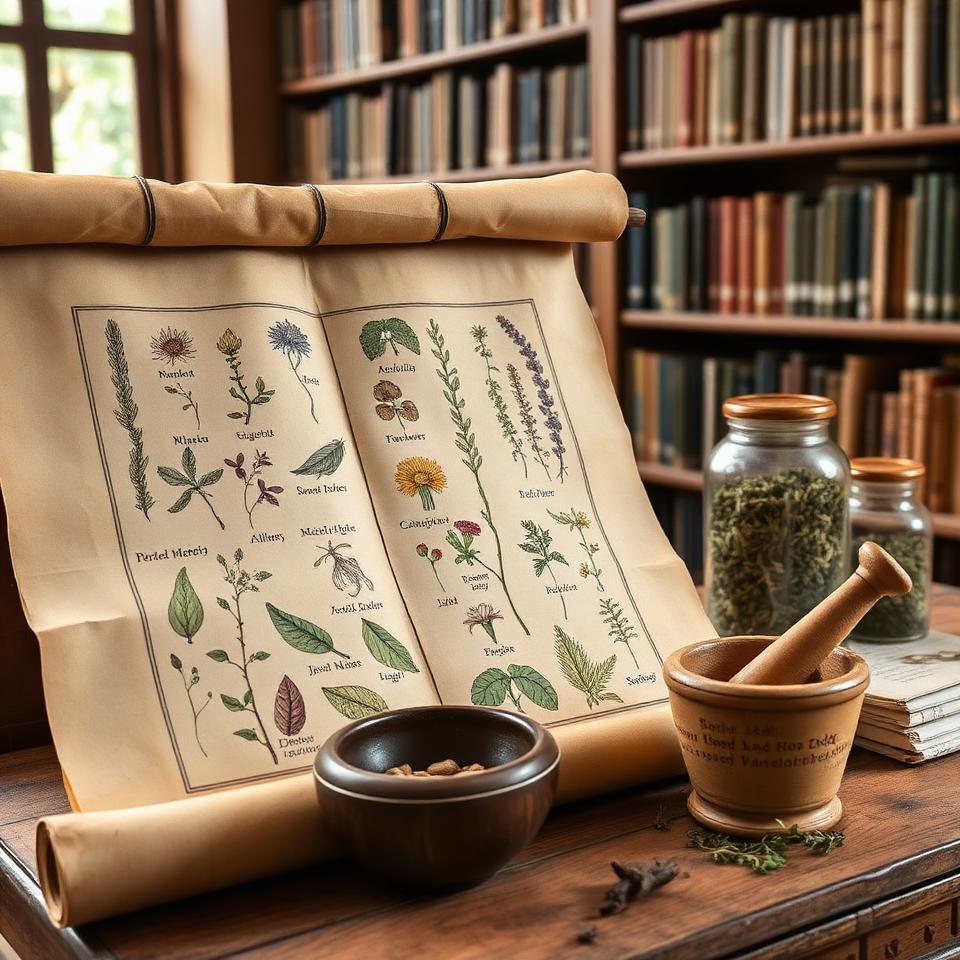
The practice of using healing plants dates back to the dawn of civilization. Archaeological discoveries reveal that early humans possessed a sophisticated understanding of botany and pharmacology. From the Ebers Papyrus of ancient Egypt to the Shennong Ben Cao Jing of traditional Chinese medicine, detailed records testify to the systematic use of medicinal plants for various ailments.
Historical Evidence of Herbal Medicine
- Ancient Egypt: Papyrus Ebers (c. 1550 BC) lists hundreds of remedies using plants like senna, castor oil, and aloe.
- Mesopotamia: Sumerian clay tablets describe plant-based medicines, including poppy and thyme.
- Traditional Chinese Medicine (TCM): Over 2,000 years of documented use of thousands of herbal plants like Ginseng, Ginger, and Ephedra.
- Ayurveda (India): A holistic healing system developed over 5,000 years, relying heavily on medicinal herbs such as Turmeric, Ashwagandha, and Neem.
- Indigenous Cultures: Native American, African, and Amazonian tribes developed extensive knowledge of local medical plants, passed down through generations.
This rich heritage forms the foundation of modern phytotherapy and ethnobotany, guiding researchers in identifying new therapeutic compounds from natural herbs.
02Understanding the Science Behind Medicinal Plants
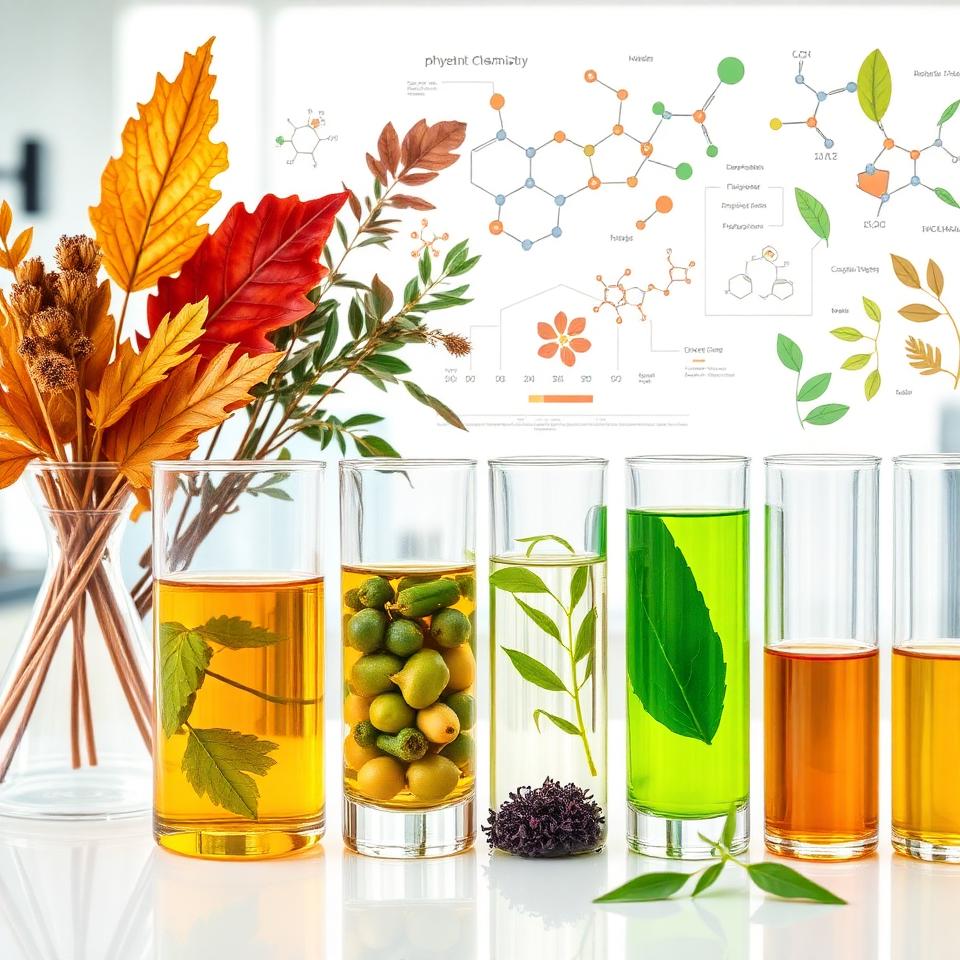
While traditional knowledge is invaluable, modern science provides the tools to understand precisely how medicinal plants exert their effects. This involves isolating and identifying phytochemicals – the bioactive compounds responsible for therapeutic properties.
Key Phytochemical Categories and Their Actions
- Alkaloids: Often potent, affecting the nervous system (e.g., caffeine from coffee, morphine from opium poppy).
- Glycosides: Diverse group, including cardiac glycosides (e.g., digoxin from foxglove), saponins (anti-inflammatory), and cyanogenic glycosides.
- Terpenes & Terpenoids: Responsible for many plant aromas, with anti-inflammatory, antimicrobial, and anti-cancer properties (e.g., CBD from cannabis, menthol from mint).
- Phenolic Compounds: Antioxidants, anti-inflammatory, and antimicrobial (e.g., flavonoids, tannins, curcuminoids from turmeric).
- Polysaccharides: Immune-modulating effects (e.g., from mushrooms like Reishi).
Scientific research continually validates the traditional uses of many herbal plants, while also discovering new therapeutic applications. This blend of ancient wisdom and modern scientific rigor is crucial for responsibly harnessing the power of medicinal plants.
03A Curated List of 100+ Powerful Medicinal Plants and Their Uses
This section provides an extensive, categorized list of medicinal plants, highlighting their primary uses and scientific backing. Please note that this is a detailed overview, and specific dosages or preparations should always be determined by a qualified healthcare professional.
Immune-Boosting and Anti-Inflammatory Medicinal Herbs
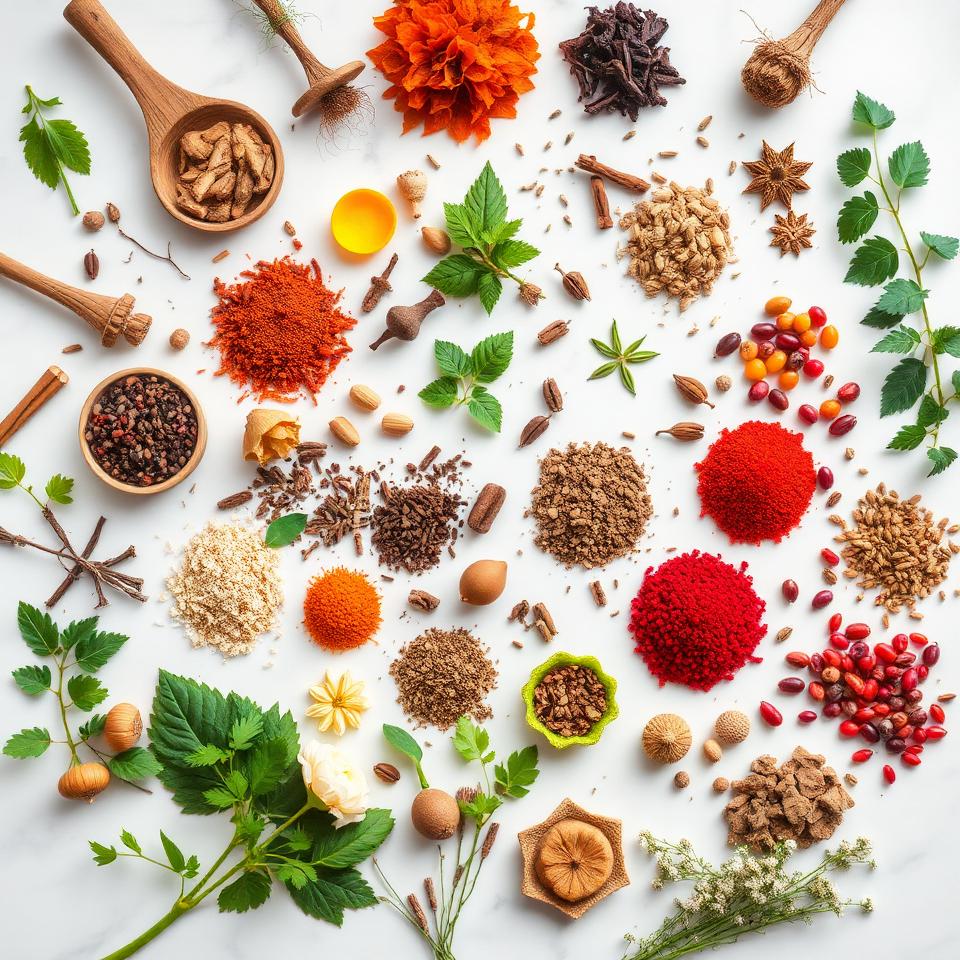
These healing herbs are known for their ability to support the immune system and/or reduce inflammation, a root cause of many chronic diseases.
- Echinacea (Echinacea purpurea): Widely used for common cold and flu prevention and treatment, stimulating immune cell activity. Learn more about Echinacea.
- Ginger (Zingiber officinale): Powerful anti-inflammatory, anti-nausea, and digestive aid.
- Turmeric (Curcuma longa): Contains curcumin, a potent anti-inflammatory and antioxidant.
- Elderberry (Sambucus nigra): Antiviral properties, often used for colds, flu, and immune support.
- Astragalus (Astragalus membranaceus): Adaptogenic and immune-boosting, popular in TCM.
- Reishi Mushroom (Ganoderma lucidum): Immunomodulatory and anti-inflammatory, considered a 'super mushroom'.
- Licorice Root (Glycyrrhiza glabra): Anti-inflammatory, antiviral, and soothing for digestive and respiratory systems (use with caution due to potential side effects).
- Boswellia (Boswellia serrata): Known for anti-inflammatory properties, particularly in joint health.
- Green Tea (Camellia sinensis): Rich in antioxidants (catechins) with anti-inflammatory and anti-cancer potential.
- Garlic (Allium sativum): Immune-modulating, antimicrobial, and cardiovascular benefits.
Stress and Anxiety-Relieving Healing Plants (Adaptogens & Nervines)
These medicinal plants help the body adapt to stress, promote relaxation, and improve mood.
- Ashwagandha (Withania somnifera): An adaptogen, reduces stress, improves sleep, and boosts energy.
- Rhodiola Rosea (Rhodiola rosea): Adaptogen, enhances mental and physical stamina, reduces fatigue.
- Valerian (Valeriana officinalis): A classical nervine herb, promotes sleep and reduces anxiety.
- Chamomile (Matricaria chamomilla): Gentle sedative, anxiolytic, and anti-inflammatory. Discover more about Chamomile.
- Lemon Balm (Melissa officinalis): Calming, antiviral, and mood-enhancing.
- Passionflower (Passiflora incarnata): Reduces anxiety, promotes sleep without sedation.
- Lavender (Lavandula angustifolia): Aromatic, anxiolytic, and sleep-promoting, often used in aromatherapy.
- Holy Basil (Tulsi) (Ocimum sanctum): Adaptogen, reduces stress, and boosts immunity.
- Kava (Piper methysticum): Relieves anxiety and promotes relaxation (use with caution and consult a practitioner).
- St. John's Wort (Hypericum perforatum): Used for mild to moderate depression (interacts with many medications).
Digestive Aids and Gut Health Medicinal Plants
Supporting a healthy digestive system is crucial for overall well-being. These herbal plants promote gut health.
- Peppermint (Mentha piperita): Relieves indigestion, bloating, and irritable bowel syndrome (IBS) symptoms.
- Fennel (Foeniculum vulgare): Carminative, relieves gas, bloating, and indigestion.
- Slippery Elm (Ulmus rubra): Demulcent, soothes irritated digestive tracts, useful for heartburn and gastritis.
- Aloe Vera (Aloe barbadensis miller): Soothes inflammation, promotes healing, laxative properties (inner leaf). Explore Aloe Vera's benefits.
- Artichoke (Cynara scolymus): Supports liver function, aids digestion of fats.
- Dandelion Root (Taraxacum officinale): Supports liver and gallbladder function, a mild laxative.
- Marshmallow Root (Althaea officinalis): Demulcent, soothes mucous membranes throughout the body.
- Calendula (Calendula officinalis): Anti-inflammatory and healing for digestive lining.
- Licorice Root (Glycyrrhiza glabra): Can help heal gastric ulcers (use cautiously).
- Caraway (Carum carvi): Relieves indigestion, gas, and colic.
Skin Health and Wound Healing Herbal Remedies
Topical application of certain medicinal plants can greatly benefit skin conditions and accelerate wound healing.
- Tea Tree Oil (Melaleuca alternifolia): Antimicrobial, anti-fungal, used for acne, fungal infections.
- Lavender (Lavandula angustifolia): Antiseptic, anti-inflammatory, promotes wound healing.
- Calendula (Calendula officinalis): Anti-inflammatory, antiseptic, speeds wound healing, soothes irritated skin.
- Witch Hazel (Hamamelis virginiana): Astringent, anti-inflammatory, helps with hemorrhoids, insect bites.
- Plantain (Plantago major): Demulcent, anti-inflammatory, useful for insect bites, minor cuts, and scrapes.
- Comfrey (Symphytum officinale): Promotes cell proliferation, speeds wound healing (use externally only sparingly due to liver toxicity).
- Yarrow (Achillea millefolium): Antiseptic, anti-inflammatory, promotes blood clotting for minor wounds.
- Chickweed (Stellaria media): Soothes itchy skin, useful for eczema, psoriasis.
- Chamomile (Matricaria chamomilla): Anti-inflammatory, soothing for sensitive or irritated skin.
- Rosehip Oil (Rosa canina): Regenerative, reduces scars, improves skin texture, rich in Vitamin C.
Cardiovascular Support Medicinal Plants
These natural herbs offer support for heart health and circulation.
- Hawthorn (Crataegus monogyna): Strengthens heart function, improves circulation, regulates blood pressure.
- Garlic (Allium sativum): Lowers cholesterol and blood pressure, anti-platelet effects.
- Green Tea (Camellia sinensis): Antioxidant properties, contributes to cardiovascular health.
- Hibiscus (Hibiscus sabdariffa): Lowers blood pressure, rich in antioxidants.
- Ginkgo Biloba (Ginkgo biloba): Improves cerebral and peripheral circulation, antioxidant.
Women's Health Medicinal Herbs
Specific herbal plants historically used to support various aspects of women's health.
- Red Raspberry Leaf (Rubus idaeus): Uterine tonic, often used in pregnancy preparation and postpartum recovery.
- Black Cohosh (Actaea racemosa): Used for menopausal symptoms like hot flashes and mood swings.
- Chasteberry (Vitex) (Vitex agnus-castus): Balances hormones, helps with PMS symptoms and irregular periods.
- Dong Quai (Angelica sinensis): 'Female ginseng' in TCM, supports reproductive health and circulation.
- Evening Primrose Oil (Oenothera biennis): Rich in GLA, helps with PMS, menopausal symptoms, and skin conditions.
Men's Health Medicinal Plants
Certain medicinal plants are known for supporting male-specific health concerns.
- Saw Palmetto (Serenoa repens): Used for benign prostatic hyperplasia (BPH) symptoms.
- Nettle Root (Urtica dioica): Also used for BPH, prostate health.
- Ginseng (Panax ginseng): Adaptogenic, boosts energy, may support erectile function.
- Tribulus Terrestris (Tribulus terrestris): May enhance libido and performance.
Cognitive Enhancement and Memory Support
These healing plants are researched for their potential to improve brain function and memory.
- Ginkgo Biloba (Ginkgo biloba): Improves blood flow to the brain, antioxidant, enhances memory and cognition.
- Bacopa Monnieri (Bacopa monnieri): Enhances memory, reduces anxiety, and improves cognitive function.
- Rosemary (Rosmarinus officinalis): Improves alertness, memory, and mood (aromatic and internal use).
- Lion's Mane Mushroom (Hericium erinaceus): Supports nerve growth factor, potentially improving cognitive function.
Other Notable Medicinal Plants and Their Uses
A diverse array of other medicinal plants offering unique benefits:
- Nettle (Urtica dioica): Diuretic, anti-inflammatory, rich in minerals, used for allergies (seasonal).
- Milk Thistle (Silybum marianum): Supports liver detoxification and regeneration.
- Horsetail (Equisetum arvense): Rich in silica, strengthens hair, skin, and nails, diuretic.
- Burdock Root (Arctium lappa): Blood purifier, diuretic, skin conditions (acne, eczema).
- Oregon Grape (Mahonia aquifolium): Antimicrobial, skin conditions, liver support.
- Juniper Berry (Juniperus communis): Diuretic, antiseptic, digestive aid.
- Mullein (Verbascum thapsus): Expectorant, respiratory issues (coughs, bronchitis).
- Thyme (Thymus vulgaris): Antimicrobial, expectorant, coughs, sore throats.
- Clove (Syzygium aromaticum): Analgesic (toothache), antimicrobial, antioxidant.
- Cinnamon (Cinnamomum verum/cassia): Regulates blood sugar, antimicrobial, antioxidant.
This list represents just a fraction of the 7,000+ species we document at Flora Medical Global. For a deeper dive into any specific plant, we encourage you to explore our comprehensive plant database.
04Integrating Medicinal Plants into Your Lifestyle: Practical Tips
Harnessing the power of medicinal plants requires a mindful and informed approach. Here are some practical tips for safely and effectively incorporating herbal remedies into your daily life.
Explore Our Platforms
 InfiniCore DataWorks
 Nex-Automata
Starting Your Own Herbal Garden
Cultivating your own herbal plants can be a rewarding experience, providing fresh, organic access to nature's medicine chest.
Tips for beginning your herbal garden:
- Choose Easy-to-Grow Herbs: Start with resilient options like peppermint, chamomile, lavender, rosemary, and basil.
- Consider Your Climate & Space: Some herbs thrive in full sun, others prefer partial shade. Indoor plants are great for limited space.
- Ensure Good Drainage: Most herbs prefer well-drained soil.
- Harvest Regularly: Pinching back young plants encourages bushier growth. Learn more about sustainable gardening practices.
Safe and Effective Use of Herbal Remedies
While natural herbs are generally safe, proper knowledge is essential.
- Identify Correctly: Always ensure you have the correct plant species. Misidentification can be dangerous.
- Start Low, Go Slow: Begin with small doses to assess your body's reaction.
- Research & Consult: Educate yourself thoroughly on any herb's properties, contraindications, and potential drug interactions. Consult with a qualified herbalist or healthcare practitioner, especially if you have underlying health conditions, are pregnant/breastfeeding, or taking prescription medications.
- Source Ethically & Sustainably: Choose organic, wild-harvested, or reputable suppliers to ensure quality and sustainability.
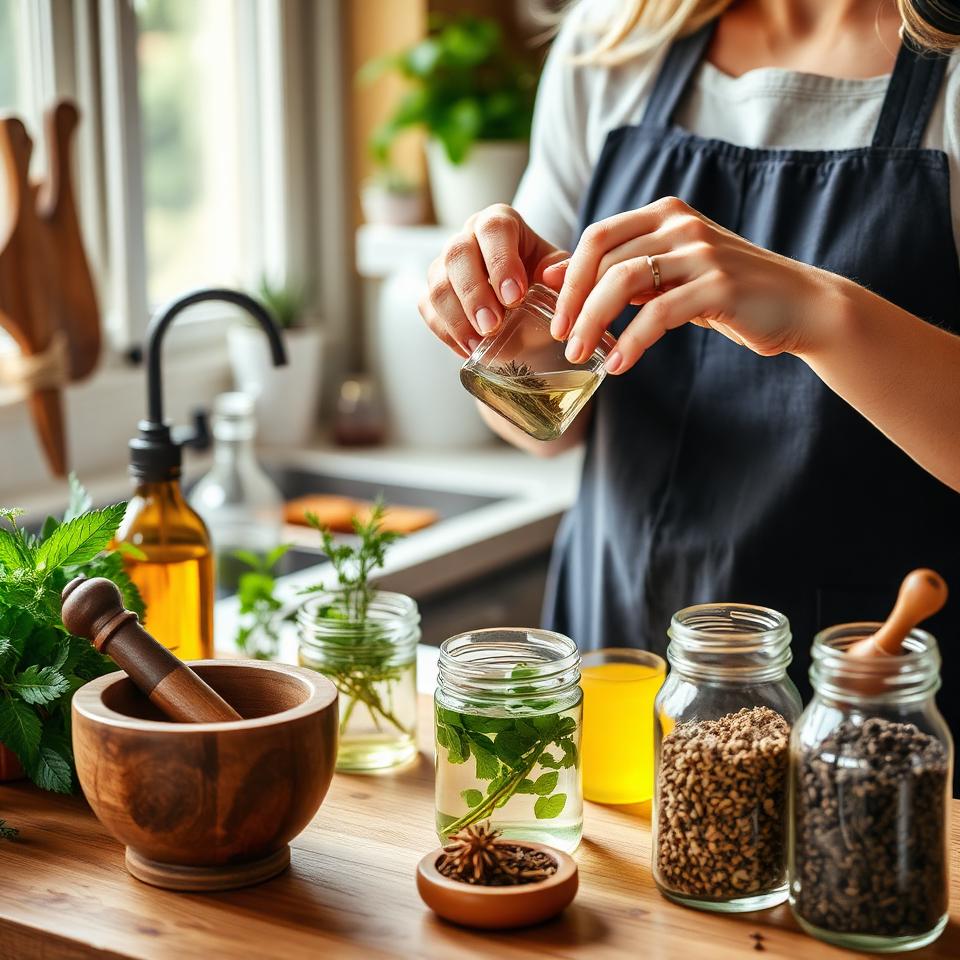
- Understand Preparation Methods: Tinctures, teas, poultices, infusions, decoctions – each method extracts different compounds.
Common Preparations of Medicinal Plants
Understanding how to prepare medicinal herbs is key to unlocking their benefits.
- Teas (Infusions): Ideal for delicate leaves and flowers (e.g., chamomile, peppermint). Steep in hot water for 5-15 minutes.
- Decoctions: For tougher parts like roots, barks, and berries (e.g., ginger, dandelion root). Simmer in water for 15-30 minutes.
- Tinctures: Alcohol-based extracts that preserve herbs for longer and offer concentrated doses.
- Poultices & Compresses: External applications of crushed herbs or herb-infused cloths for localized relief.
- Oils & Salves: Herbs infused in carrier oils (e.g., olive oil) to create topical remedies for skin conditions or muscle pain.
05The Future of Medicinal Plants and Sustainable Practices
As interest in medicinal plants grows, so does the imperative for sustainable harvesting and biodiversity conservation. Many valuable healing herbs are threatened by over-harvesting, habitat destruction, and climate change.
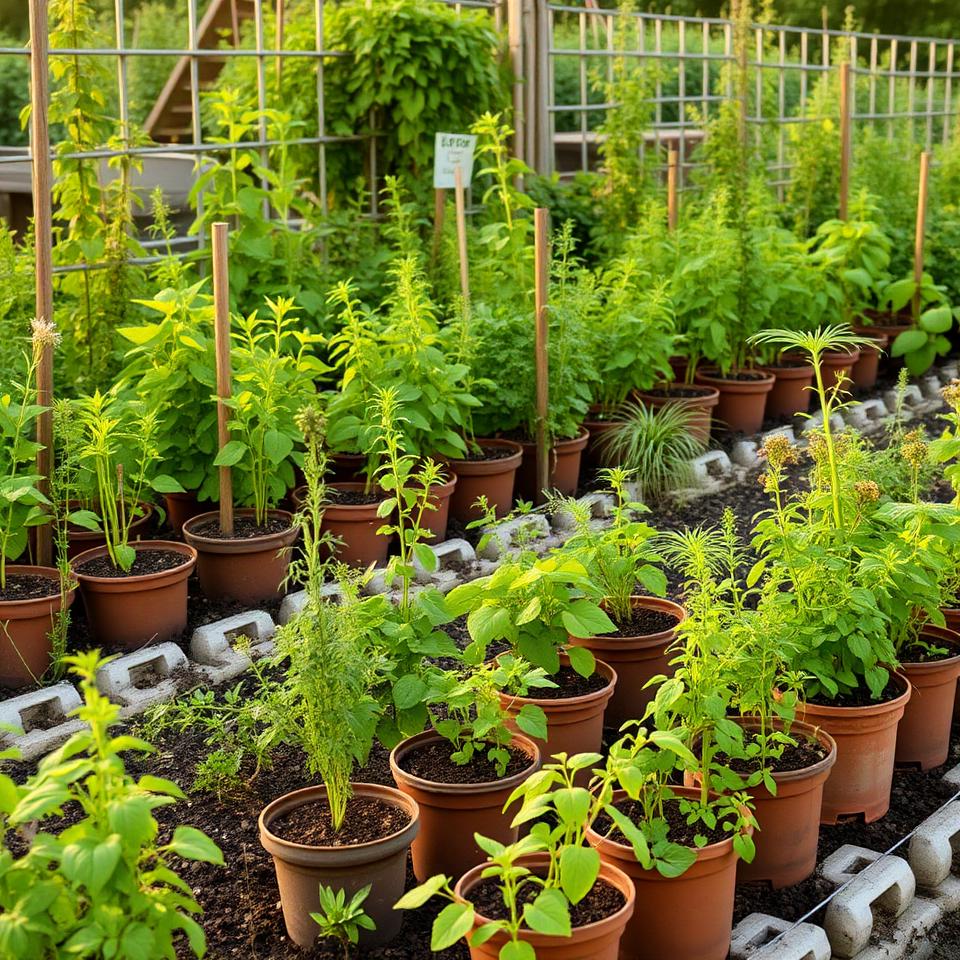
- Ethical Sourcing: Supporting companies that practice sustainable and fair-trade sourcing is crucial.
- Cultivation vs. Wild Harvesting: Encouraging cultivation of popular herbal plants reduces pressure on wild populations.
- Research & Bioprospecting: Continued scientific exploration of indigenous knowledge and untouched ecosystems can unlock new therapeutic compounds, but must be done with respect for indigenous rights and benefit-sharing.
- Education: Spreading awareness about the importance of biodiversity and responsible use of natural herbs.
Flora Medical Global is committed to promoting sustainable practices and responsible knowledge sharing, ensuring that these precious botanical resources are available for future generations.
06Conclusion: Embracing the Power of Medicinal Plants
The world of medicinal plants is vast, ancient, and endlessly fascinating. From the common basil in your kitchen to rare Amazonian plantas medicinales, these botanical wonders offer a profound connection to nature and robust pathways to health and wellness. This guide has provided a glimpse into over 100 powerful medicinal plants and their uses, grounded in both traditional wisdom and modern scientific understanding.
At Flora Medical Global, we believe in empowering individuals with accurate, comprehensive information on herbal remedies. Remember, while healing herbs offer incredible potential, they should be approached with respect, knowledge, and often, with the guidance of a healthcare professional. Continue your journey of discovery through our extensive encyclopedia, and embrace the remarkable healing power of nature.
---
07100+ Powerful Medicinal Plants and Their Uses — The Complete Science-Backed Guide: Frequently Asked Questions
How do I safely start using medicinal plants?
Begin by consulting a healthcare professional or a qualified herbalist, especially if you have existing health conditions or take prescription medications. Start with well-researched, common plants known for their mild effects and always adhere to recommended dosages. Research thoroughly, prioritize reputable sources, and conduct patch tests for topical applications to check for allergic reactions.
What makes a plant "medicinal" from a scientific perspective?
A plant is considered medicinal due to the presence of specific bioactive compounds, known as phytochemicals, that interact with the human body to produce therapeutic effects. These compounds, such as alkaloids, glycosides, terpenes, and flavonoids, have been scientifically identified and studied for their pharmacological actions. Modern research employs techniques like chromatography and spectroscopy to isolate and characterize these active constituents, validating their traditional uses.
Can I grow my own medicinal plants, and which ones are easiest for beginners?
Absolutely, growing your own medicinal plants is rewarding and ensures freshness and quality. Easy-to-grow options for beginners include chamomile, peppermint, lavender, calendula, and lemon balm, which thrive in various climates with minimal effort. These plants are versatile, offer gentle therapeutic benefits, and can often be grown in pots or small garden spaces.
Are there risks of interactions between herbal remedies and prescription medications?
Yes, significant risks exist for interactions between herbal remedies and prescription medications, which can either reduce drug efficacy or increase adverse side effects. For example, St. John's Wort can interfere with antidepressants and oral contraceptives, while ginkgo can interact with blood thinners. Always disclose all herbal supplements to your doctor or pharmacist to avoid potentially dangerous interactions.
What are common ways to prepare medicinal plants for use?
Common preparation methods include infusions (teas) for delicate parts like leaves and flowers, and decoctions (simmering) for tougher parts like roots and bark. Tinctures, made by steeping plants in alcohol, offer concentrated extracts with a longer shelf life and precise dosing. Other forms include poultices for topical application, capsules of dried herbs, and essential oils for aromatherapy or diluted topical use.
How can I ensure the quality and authenticity of medicinal plant products?
To ensure quality, purchase medicinal plant products from reputable suppliers who provide third-party testing for purity, potency, and contaminants like heavy metals or pesticides. Look for certifications from recognized organizations and transparent labeling that lists species, plant part used, and active compound concentrations. Avoid unverified products, especially those making exaggerated claims, and prioritize organic or sustainably sourced options.
How has the understanding of medicinal plants evolved over time?
Historically, understanding medicinal plants was based on empirical observation, trial-and-error, and cultural transmission, often intertwined with spiritual beliefs. The advent of modern science brought systematic classification, chemical analysis, and pharmacological studies, shifting focus from whole plant use to isolating active compounds. Today, there's a growing appreciation for synergistic effects within the whole plant, blending traditional wisdom with rigorous scientific validation.
What role do medicinal plants play in modern drug discovery?
Medicinal plants continue to be a crucial source for modern drug discovery, providing novel chemical structures and lead compounds for pharmaceutical development. Many widely used drugs, such as aspirin (from willow bark) and paclitaxel (from yew tree), originated from plant compounds. Researchers screen plant extracts for biological activity, isolate active constituents, and often synthesize analogues to improve efficacy and reduce side effects.
Is harvesting wild medicinal plants sustainable, and what are the ethical considerations?
Wild harvesting can be unsustainable if not done responsibly, leading to depletion of plant populations and ecosystem disruption, especially for rare or slow-growing species. Ethical considerations include ensuring proper identification to avoid harvesting endangered plants, respecting indigenous knowledge and land rights, and implementing sustainable harvesting practices like leaving enough plants to reproduce. Prioritizing cultivation or purchasing from certified sustainable sources helps protect wild populations.
How do we know if a medicinal plant actually works, beyond traditional claims?
Scientific efficacy is determined through rigorous research, including in vitro studies (cell cultures), in vivo studies (animal models), and ultimately, human clinical trials. These studies evaluate the plant's active compounds, mechanisms of action, dosage, safety, and effectiveness compared to placebos or conventional treatments. While traditional knowledge provides a valuable starting point, modern science seeks to provide empirical evidence for therapeutic claims.
08100+ Powerful Medicinal Plants and Their Uses — The Complete Science-Backed Guide: Scientific References
Authoritative sources and related guides:
- Wikipedia — background reference
- PubMed — peer-reviewed studies
- Kew POWO — botanical reference
- NCBI PMC — open-access research
- WHO — global health authority
Related on Flora Medical Global
Reviewed by the Flora Medical Global Botanical Review Panel
Multi-disciplinary editorial group · Botany · Ethnobotany · Herbal-medicine literature
Who reviewed this: This page was checked by the Flora Medical Global Botanical Review Panel — an in-house editorial group of botany graduates, ethnobotany researchers, and horticulture practitioners who collectively maintain our 7,000+ plant encyclopedia. Meet the team.
Our 4-step verification process
1. Taxonomic verification
Scientific names and synonyms cross-checked against Kew POWO, World Flora Online, and The Plant List.
2. Phytochemical & medicinal cross-reference
Active compounds, traditional uses, and reported activities are cross-referenced with PubMed, USDA Dr. Duke's database, and peer-reviewed ethnobotanical literature.
3. Conservation & distribution check
Distribution, ecology, and conservation status confirmed against GBIF occurrence records and the IUCN Red List.
4. Editorial & safety review
Every entry passes an editorial pass for clarity, originality, and safety notices (toxicity, contraindications, dosage caveats) before publication.
Last reviewed:
Important medical disclaimer: This content is for educational and research purposes only. It is not medical advice and is not a substitute for consultation with a licensed healthcare provider. Do not use any herb to self-treat a medical condition without professional guidance.
Explore Our Platforms
Comments (0)
No comments yet. Be the first!