Complete Guide to Watercress: Care, Uses, Safety & Images
 Flora Medical GlobalPublished: 4/10/2026Updated: 6/20/202620 min read
Editorial Disclaimer: This article is for informational and educational purposes only. It is not a substitute for professional medical advice, diagnosis, or treatment. Always consult a qualified healthcare provider or certified herbalist before using any plant for medicinal purposes, especially if you are pregnant, nursing, taking medication, or have a medical condition.
01Watercress: An Overview
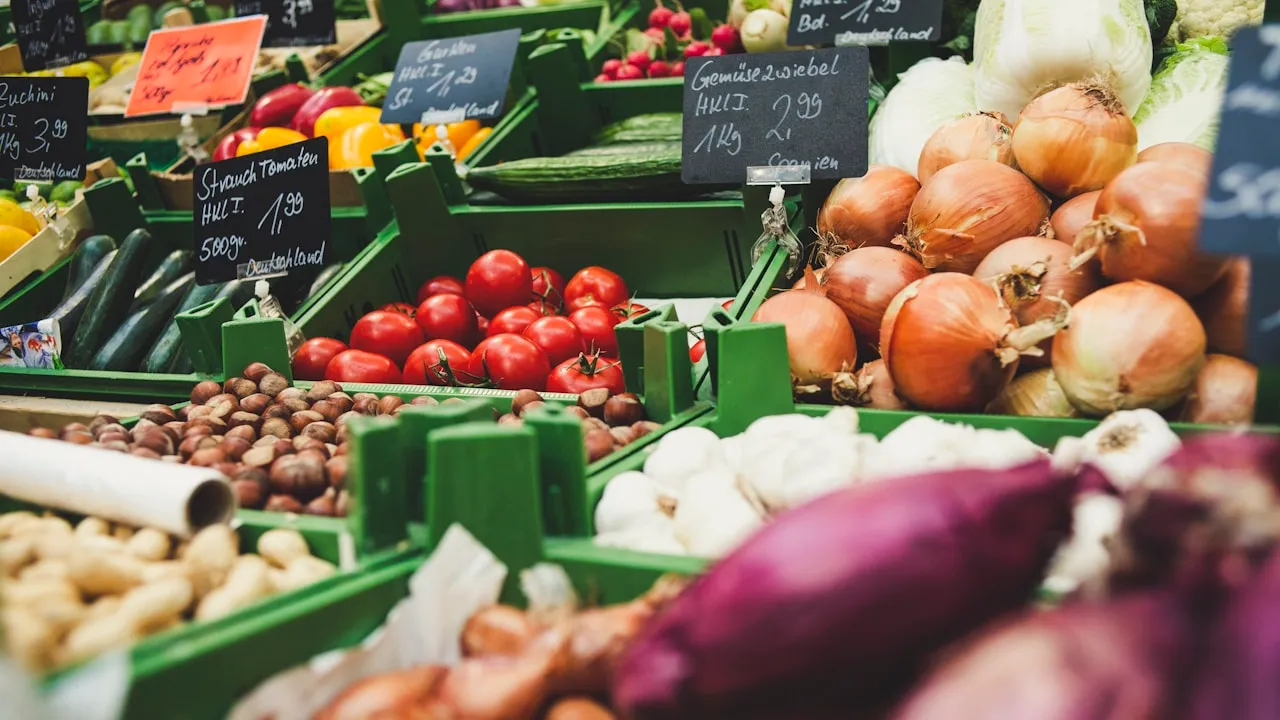
Watercress, scientifically known as Nasturtium officinale, is an intriguing aquatic or semi-aquatic perennial herb belonging to the Brassicaceae family, commonly recognized as the mustard family.
A good article on Watercress should not stop at one-line claims. Readers need taxonomy, habitat, safety, cultivation, and evidence in the same place so they can make sound decisions.
The aim is simple: make the article detailed enough for serious readers while keeping the structure clear enough for fast scanning and confident decision-making.
- Watercress (Nasturtium officinale) is a nutrient-dense aquatic herb of the Brassicaceae family.
- It is exceptionally rich in vitamins C, K, B9, and potent isothiocyanates, notably PEITC.
- Offers significant antioxidant, anti-inflammatory, and potential chemopreventive health benefits.
- Traditionally valued across cultures for immune support, digestive health, and general vitality.
- Critical to thoroughly wash watercress, especially wild-harvested, to prevent parasite ingestion.
- Caution is advised for individuals on anticoagulant medications due to its high Vitamin K content.
02Botanical Identity of Watercress
Watercress should be anchored to the correct taxonomic identity before any discussion of care, use, or safety begins.
| Common name | Watercress |
|---|---|
| Scientific name | Nasturtium officinaleW |
| Family | Brassicaceae |
| Order | Brassicales |
| Genus | Nasturtium |
| Species epithet | officinale |
| Author citation | R.Br. |
| Synonyms | Nasturtium aquaticum Garsault, Cardamine nasturtium Kuntze, Baeumerta nasturtium-aquaticum (L.) P.Gaertn., B.Mey. & Scherb. ex Hayek, Baeumerta nasturtium-aquaticum (L.) G.Gaertn. et al., Nasturtium fontanum var. longisiliquum Irmisch, Nasturtium flexuosum Seub., Cardaminum nasturtium Moench, Baeumerta nasturtium G.Gaertn., B.Mey. & Scherb., Cardamine nasturtium-aquaticum (L.) Borbás, Nasturtium aquaticum Hill, Nasturtium insipidum E.Rev., Cardamine fontana Lam. |
| Common names | ওয়াটারক্রেস, Watercress |
| Local names | Crescione d'aqua, Witte waterkers, Cresson d'eau, 물냉이, Настурція лікарська, Echte Brunnenkresse |
| Origin | Europe (UK, France, Germany) |
| Life cycle | Perennial |
| Growth habit | Tree |
Using the accepted scientific name Nasturtium officinale helps readers avoid confusion caused by old synonyms, loose common names, or inconsistent plant labels.
Family and order placement also matter because they explain recurring structural traits, likely relatives, and the kinds of mistakes readers often make when they rely on appearance alone.
03What Watercress Looks Like
A practical reading of the plant starts with visible structure:
- Leaf: Watercress leaves are bright green, rounded to oval in shape, measuring 2-5 cm long and 1-3 cm wide, with a smooth margin. They are arranged.
- Stem: The stem of watercress is hollow, green, and can grow up to 30 cm tall. It is smooth and can be somewhat succulent, branching lightly as it grows.
- Root: Watercress has a fibrous root system that extends moderately deep into the soil, allowing it to access nutrient-rich waters. The roots are thin and.
- Flower: Flowers are small, white to pale yellow, approximately 4-6 mm across, arranged in racemes, blooming typically from late spring to early summer.
- Fruit: Watercress produces elongated, slender siliques (seed pods) that are 1.5-3.5 cm long, containing small, round seeds. They are not typically consumed.
- Seed: Seeds are small, black, and round, approximately 1-2 mm in diameter, with a wind-dispersal mechanism being their primary means of propagation.
Microscopic or internal identification notes deepen the picture, especially for processed material: Trichomes are generally absent or very sparse on the leaf surfaces of Nasturtium officinale, distinguishing it from many other members of the. Anisocytic stomata are commonly found, characterized by a central guard cell complex surrounded by three subsidiary cells, one of which is notably. Microscopic examination of powdered watercress reveals fragments of epidermal cells with anisocytic stomata, spiral vessels, and occasionally small.
In overall habit, the plant is described as Tree with a mature height around Typically 0.1-2 m depending on water depth and spread of Variable; can form mats or colonies.
04Where Watercress Grows
The native or historically recorded center of distribution for Watercress is Europe (UK, France, Germany). That origin is more than background trivia; it explains how the plant responds to heat, moisture, shade, and seasonal change.
Explore Our Platforms
 InfiniCore DataWorks
 Nex-Automata
The plant is associated with the following countries or range markers: Eurasia.
Environmental notes in the live record add more context: Watercress prefers a cool, temperate climate, thriving in temperatures between 10°C to 20°C (50°F to 68°F). It grows best in nutrient-rich, shallow freshwater environments, such as streams and ponds, but can adapt to wet soil conditions in gardens. The ideal growth medium is loamy soil enriched with organic matter and a neutral pH. High humidity levels are.
In cultivation terms, the main ecological clues are: Full sun to partial shade; High; Saturated soil or standing water; Species-dependent; Perennial; Tree.
Physiology data reinforce the habitat story: Highly tolerant of cold water conditions; however, it is susceptible to heat stress, which can trigger premature bolting (flowering) and negatively. C3 photosynthesis, typical for most temperate plant species. Exhibits a relatively high transpiration rate due to its aquatic/semi-aquatic nature and the large surface area of its leaves, requiring constant.
05Watercress in Tradition & Culture
Ethnobotanical records also show how this plant has been framed across different places: Abortifacient in US (Krochmal, Arnold and Connie. 1973. A guide to the medicinal plants of the United States. Quadrangle/The N.Y. Times Book Co.); Apertif in Haiti (Brutus, T.C., and A.V. Pierce-Noel. 1960. Les Plantes et les Legumes d'Hati qui Guerissent. Imprimerie De L'Etat, Port-Au-Prince, Haiti.); Aphrodisiac in Haiti (Liogier, Alain Henri. 1974. Diccionario Botanico de Nombres Vulgares de la Espanola. Universidad Nacional Pedro Henriquez Urena, Santo Domingo.); Asthma in Africa (Krochmal, Arnold and Connie. 1973. A guide to the medicinal plants of the United States. Quadrangle/The N.Y. Times Book Co.); Bactericide in Elsewhere (Duke, 1992 *); Cancer in Italy (Hartwell, J.L. 1967-71. Plants used against cancer. A survey. Lloydia 30-34.); Catarrh in Haiti (Brutus, T.C., and A.V. Pierce-Noel. 1960. Les Plantes et les Legumes d'Hati qui Guerissent. Imprimerie De L'Etat, Port-Au-Prince, Haiti.); Cicatrizant in Haiti (Liogier, Alain Henri. 1974. Diccionario Botanico de Nombres Vulgares de la Espanola. Universidad Nacional Pedro Henriquez Urena, Santo Domingo.).
Local names help show how different communities notice and classify the plant: Crescione d'aqua, Witte waterkers, Cresson d'eau, 물냉이, Настурція лікарська, Echte Brunnenkresse.
Traditional context matters, but it should always be separated from modern certainty. Historical use can guide questions, yet it does not automatically prove present-day clinical effectiveness.
06Watercress: Benefits & Healing Properties
The main benefit themes associated with the plant include:
- Antioxidant Activity — Watercress is replete with vitamins C, K, B9, flavonols, and glucosinolates, which synergistically combat oxidative stress by.
- Anti-inflammatory Properties — Bioactive compounds, particularly isothiocyanates and certain phenolic acids, help modulate inflammatory pathways, potentially. Chemopreventive & Chemotherapeutic Potential — Phenethyl isothiocyanate (PEITC), abundant in watercress, has shown promise in preventing and suppressing.
- Cardioprotective Effects — Its antioxidant and anti-inflammatory actions, coupled with a rich nutrient profile, contribute to cardiovascular health by.
- Anticholesterolemic Action — Regular consumption may aid in managing cholesterol levels, potentially due to its fiber content and compounds that influence.
- Immune System Support — High levels of Vitamin C and other micronutrients bolster the immune system, enhancing the body’s natural defense mechanisms against.
- Antimicrobial Efficacy — Extracts of Nasturtium officinale have demonstrated in vitro activity against certain bacterial and fungal strains, suggesting.
- Digestive Health Enhancement — Traditionally used to support digestion, its pungent compounds may stimulate digestive enzymes and improve gut motility.
The evidence matrix gives a more careful picture of those claims: Antioxidant Activity. In vitro, in vivo animal models, human clinical trials. High. Rich in vitamins C, K, B9, flavonols, and glucosinolates, which collectively contribute to significant free radical scavenging and oxidative stress reduction. Chemopreventive Effects. In vitro, in vivo animal models, some human observational studies. Moderate. Phenethyl isothiocyanate (PEITC) is a key compound shown to prevent and suppress tumorigenesis and induce detoxification enzymes in various cancer models. Anti-inflammatory Properties. In vitro, in vivo animal models. Moderate. Isothiocyanates and other phenolic compounds in watercress contribute to modulating inflammatory pathways by inhibiting pro-inflammatory mediators. Antimicrobial Activity. In vitro studies. Low to Moderate. Extracts have demonstrated activity against certain bacterial and fungal strains in laboratory settings, suggesting potential natural antimicrobial applications.
The stored evidence confidence for this profile is traditional. That should shape how strongly any benefit statement is interpreted.
For medicinal content, the key discipline is to distinguish traditional use, mechanism-based plausibility, and human clinical support. Those are related ideas, but they are not the same thing.
- Antioxidant Activity — Watercress is replete with vitamins C, K, B9, flavonols, and glucosinolates, which synergistically combat oxidative stress by.
- Anti-inflammatory Properties — Bioactive compounds, particularly isothiocyanates and certain phenolic acids, help modulate inflammatory pathways, potentially.
- Chemopreventive & Chemotherapeutic Potential — Phenethyl isothiocyanate (PEITC), abundant in watercress, has shown promise in preventing and suppressing.
- Cardioprotective Effects — Its antioxidant and anti-inflammatory actions, coupled with a rich nutrient profile, contribute to cardiovascular health by.
- Anticholesterolemic Action — Regular consumption may aid in managing cholesterol levels, potentially due to its fiber content and compounds that influence.
- Immune System Support — High levels of Vitamin C and other micronutrients bolster the immune system, enhancing the body’s natural defense mechanisms against.
- Antimicrobial Efficacy — Extracts of Nasturtium officinale have demonstrated in vitro activity against certain bacterial and fungal strains, suggesting.
- Digestive Health Enhancement — Traditionally used to support digestion, its pungent compounds may stimulate digestive enzymes and improve gut motility.
- Nutritional Fortification — As a low-calorie, nutrient-dense food, it provides significant amounts of essential vitamins (B9, C, K) and minerals, contributing.
- Detoxification Support — PEITC plays a crucial role in inducing phase II detoxification enzymes in the liver, aiding the body in processing and eliminating.
07Watercress Phytochemistry
The broader constituent profile includes:
- Glucosinolates — Primarily gluconasturtiin, which is the precursor to phenethyl isothiocyanate (PEITC), responsible. Isothiocyanates (ITCs) — Phenethyl isothiocyanate (PEITC) is the most prominent, known for its potent chemopreventive.
- Flavonoids — Includes flavonols such as quercetin and kaempferol, which contribute significantly to the plant's.
- Hydroxycinnamic Acids — A class of phenolic compounds with strong antioxidant capabilities, further enhancing the.
- Vitamins — Abundant in Vitamin C (ascorbic acid) for immune support and antioxidant defense, Vitamin K (phylloquinone).
- Alkaloids — Present in smaller quantities, these nitrogen-containing compounds can exhibit diverse pharmacological.
- Terpenoids — A broad group of organic compounds contributing to the plant's aroma and possessing various biological.
- Saponins — These compounds, also mentioned in existing content, may offer anti-inflammatory and immune-modulating.
- Tannins — Possess astringent properties and contribute to antioxidant activity, often found in various plant parts.
- Phenolic Compounds — A wide range of diverse phenolic structures, beyond specific flavonoids and hydroxycinnamic.
The detailed phytochemistry file adds these markers: Phenethyl Isothiocyanate (PEITC), Isothiocyanate, Whole plant, leaves, ~25 mg per 100g fresh weightmg/100g; Gluconasturtiin, Glucosinolate, Whole plant, leaves, High (specific values vary)mg/g dry weight; Ascorbic Acid, Vitamin (Vitamin C), Leaves, ~43 mg per 100g fresh weightmg/100g; Phylloquinone, Vitamin (Vitamin K1), Leaves, ~250-300 µg per 100g fresh weightµg/100g; Folates, Vitamin (Vitamin B9), Leaves, ~250 µg per 100g fresh weightµg/100g; Quercetin, Flavonol, Leaves, Trace to moderatemg/100g (variable); Kaempferol, Flavonol, Leaves, Trace to moderatemg/100g (variable).
Local chemistry records also support the profile: ASCORBIC-ACID in Herb (430.0-13690.0 ppm); ASCORBIC-ACID in Shoot (not available-370.0 ppm); RUTIN in Shoot (not available-not available ppm); ZINC in Plant (not available-not available ppm); MAGNESIUM in Herb (210.0-4200.0 ppm); BETA-CAROTENE in Herb (28.0-560.0 ppm); NIACIN in Herb (2.0-113.0 ppm); THIAMIN in Herb (1.0-18.0 ppm).
Compound profiles also shift with plant part, age, season, processing, and storage. The chemistry of a fresh leaf, dried root, or concentrated extract should never be treated as automatically identical.
08Watercress Preparations & Dosage
Recorded preparation and use methods include:
- Raw Culinary Use — Fresh leaves are widely consumed raw in salads, sandwiches, and as a vibrant, peppery garnish for various dishes.
- Juices and Smoothies — Can be blended into fresh vegetable juices or green smoothies to create a nutrient-dense beverage.
- Soups and Stews — Incorporate into cooked dishes like soups, stews, or stir-fries, typically added towards the end of cooking to retain maximum nutritional value and flavor.
- Herbal Infusions — Steep fresh or dried leaves in hot water to prepare a therapeutic tea or infusion, traditionally consumed for general wellness.
- Pesto and Sauces — Utilize watercress as a base for unique pestos or blend into sauces to impart a distinct peppery taste and nutritional boost.
- Topical Applications — Historically, poultices or compresses were made from crushed leaves for external use, though this practice is less common in modern herbalism.
- Cooking Green — Can be lightly sautéed or steamed as a side dish, similar to other leafy greens like spinach or kale.
- Thorough Washing — Always meticulously wash watercress, especially wild-harvested plants, under running water to remove dirt, debris, and potential microscopic parasites.
The plant part most closely linked to use is recorded as Leaves, rhizomes, seeds, or whole plant cited in related taxa.
Edibility and processing notes matter here as well: Some species are edible; verify species and water quality.
Preparation defines the outcome. Tea, decoction, tincture, powder, fresh plant material, cooked food use, and concentrated extract cannot be discussed as if they were interchangeable.
- Identify the exact species and plant part first.
- Match the preparation to the intended use.
- Check safety, interactions, and processing details before routine use or large-scale handling.
09Watercress Side Effects & Safety
The first safety note is direct: Varies by species and water conditions; verify before use
Specific warnings recorded for this plant include Pregnant & Lactating Women — Consult a healthcare professional before using watercress in medicinal quantities due to insufficient safety data for these. Children — Generally safe as a food in moderate amounts; however, medicinal doses or concentrated extracts should only be administered under professional guidance. Anticoagulant Therapy — Individuals on blood-thinning medications must monitor their watercress intake carefully due to its high Vitamin K content, which can. Kidney Conditions — Those with pre-existing kidney disorders or a history of kidney stones should exercise caution and seek medical advice before consuming. Wild Harvesting Precautions — Always ensure rigorous washing of wild-collected watercress to eliminate potential waterborne pathogens and parasites. Moderation is Key — Consume watercress in moderate amounts as part of a balanced diet; avoid excessive intake of highly concentrated forms without expert consultation. Allergic Sensitivities — Individuals with known allergies to plants within the mustard family (Brassicaceae) should avoid watercress to prevent adverse. Gastrointestinal Upset — Excessive consumption, particularly of raw watercress, may cause mild stomach upset, indigestion, or diarrhea in sensitive individuals.
Quality-control notes add another warning: Risk of adulteration or misidentification with other similar-looking aquatic plants; botanical and chemical identification methods are crucial.
No plant should be described as universally safe. Identity, dose, plant part, preparation style, age, pregnancy status, medication use, allergies, and contamination risk all change the answer.
10Growing Watercress Successfully
The cultivation record emphasizes these practical steps:
- Habitat Mimicry — Prefers environments that mimic its natural habitat: cool, clean, moving water sources such as springs, streams, or hydroponic systems.
- Soil Requirements — Thrives in rich, moist to wet, well-drained soil, often in semi-aquatic conditions; a neutral to slightly alkaline pH is optimal.
- Light Exposure — Requires adequate sunlight, ideally partial to full sun, though too much direct, intense sun can cause bolting in warmer climates.
- Propagation Techniques — Easily propagated from seeds, which are sown shallowly, or more commonly and quickly from stem cuttings placed directly in water or moist soil.
- Water Quality — Absolutely critical to use clean, unpolluted, and preferably flowing water to prevent the accumulation of pathogens and ensure healthy growth.
- Temperature Control — Best grown in cooler temperatures, as heat stress can lead to premature flowering (bolting) and a bitter taste in the leaves.
- Regular Harvesting — Leaves and tender stems can be harvested frequently, which encourages bushier growth and a continuous supply throughout the growing season.
The broader growth environment is described like this: Watercress prefers a cool, temperate climate, thriving in temperatures between 10°C to 20°C (50°F to 68°F). It grows best in nutrient-rich, shallow freshwater environments, such as streams and ponds, but can adapt to wet soil conditions in gardens. The ideal growth medium is loamy soil enriched with organic matter and a neutral pH. High humidity levels are.
Planning becomes easier when these traits are kept in view: Tree; Typically 0.1-2 m depending on water depth; Variable; can form mats or colonies.
In practice, healthy cultivation comes from systems thinking rather than one-off tricks. Site choice, drainage, timing, spacing, pruning, feeding, and observation all reinforce one another.
11Watercress Growing Conditions
The most useful care snapshot is this: Light: Full sun to partial shade; Water: High; Soil: Saturated soil or standing water; USDA zone: Species-dependent.
Outdoors, light, water, and soil must be read together. The same watering schedule can be too much in dense clay and too little in a porous sandy bed.
| Light | Full sun to partial shade |
|---|---|
| Water | High |
| Soil | Saturated soil or standing water |
| USDA zone | Species-dependent |
Light, water, and soil should never be treated as separate checkboxes. A plant in stronger light often dries faster, soil texture changes how quickly water moves, and temperature plus humidity influence how stress appears in leaves and roots.
For Watercress, the safest care approach is to treat Full sun to partial shade, High, and Saturated soil or standing water as linked decisions rather than isolated tips. If one condition shifts, the other two usually need to be reconsidered as well.
Microclimate matters too. Indoors, room placement and airflow can matter as much as window exposure. Outdoors, reflected heat, slope, mulch, and nearby plants can change how the temperature rhythm described for the species and humidity that matches the plant type are actually experienced at plant level.
12Propagating Watercress
Documented propagation routes include Watercress can be propagated primarily by seed or vegetative methods such as cuttings. For seed propagation, sow seeds directly in moist soil in early spring. germination typically occurs within 7-14 days when temperatures are around 20°C (68°F). For vegetative propagation, cut stems of healthy watercress, ensuring.
Propagation works best when the parent stock is healthy, correctly identified, and handled in the right season. That sounds obvious, but it is exactly where many failures begin.
- Watercress can be propagated primarily by seed or vegetative methods such as cuttings. For seed propagation, sow seeds directly in moist soil in early spring.
- Germination typically occurs within 7-14 days when temperatures are around 20°C (68°F). For vegetative propagation, cut stems of healthy watercress, ensuring.
Propagation works best when the reader matches method to biology. Some plants respond readily to cuttings, some to division, some to seed, and others require more patience or more exact seasonal timing.
13Pests, Diseases & Disorders
For medicinal species, pest pressure is not only a horticultural issue. It also affects harvest cleanliness, storage stability, and confidence in the final material.
The smartest response sequence is observation first, environmental correction second, and treatment only after the real pattern is clear.
Pest and disease management is strongest when it begins before visible damage becomes severe. Routine observation, clean handling, sensible spacing, air movement, and balanced watering reduce many problems before treatment is even needed.
When symptoms do appear on Watercress, the most reliable response is diagnostic rather than reactive. Yellowing, spots, wilt, chewing, and stunting can all have multiple causes, so a rushed treatment can waste time or worsen the problem.
Good troubleshooting also includes environmental correction. Pests and disease often reveal a deeper issue such as root stress, poor airflow, inconsistent watering, weak light, or exhausted soil structure.
14How to Harvest Watercress
The plant part most often associated with harvest or processing is Leaves, rhizomes, seeds, or whole plant cited in related taxa.
Storage guidance from the quality-control record reads as follows: Fresh watercress has limited shelf-life and should be refrigerated; dried material can experience degradation of volatile compounds and loss of potency over time, requiring cool.
For medicinal plants, harvesting cannot be separated from processing. The right plant part, the right timing, and the right drying conditions all shape quality and safety.
Whatever the purpose, the rule is the same: harvest clean material, label it clearly, and store it in a way that preserves identity and condition.
Harvest and storage determine whether a plant's quality is preserved after it leaves the bed, pot, field, or wild source. Clean timing, correct plant part selection, and careful drying or handling all matter more than many readers expect.
15Watercress in Garden Design
In a home herb garden or medicinal bed, Watercress should be placed where harvesting is easy, labeling remains clear, and neighboring plants do not create confusion at collection time.
Companion planting and design are not only aesthetic decisions. They affect airflow, root competition, moisture sharing, harvest access, visibility, and the general logic of the planting scheme.
With Watercress, good placement means thinking about mature size, maintenance rhythm, and how neighboring plants change the feel and function of the space. A plant can be healthy on its own and still be poorly placed within the broader composition.
That is why the best design advice combines biology with usability. The planting should look coherent, but it should also make watering, pruning, harvest, and pest observation easier rather than harder.
16What Science Says About Watercress
The evidence matrix points to several recurring themes: Antioxidant Activity. In vitro, in vivo animal models, human clinical trials. High. Rich in vitamins C, K, B9, flavonols, and glucosinolates, which collectively contribute to significant free radical scavenging and oxidative stress reduction. Chemopreventive Effects. In vitro, in vivo animal models, some human observational studies. Moderate. Phenethyl isothiocyanate (PEITC) is a key compound shown to prevent and suppress tumorigenesis and induce detoxification enzymes in various cancer models. Anti-inflammatory Properties. In vitro, in vivo animal models. Moderate. Isothiocyanates and other phenolic compounds in watercress contribute to modulating inflammatory pathways by inhibiting pro-inflammatory mediators. Antimicrobial Activity. In vitro studies. Low to Moderate. Extracts have demonstrated activity against certain bacterial and fungal strains in laboratory settings, suggesting potential natural antimicrobial applications.
Ethnobotanical activity records add historical reference trails: Abortifacient — US [Krochmal, Arnold and Connie. 1973. A guide to the medicinal plants of the United States. Quadrangle/The N.Y. Times Book Co.]; Apertif — Haiti [Brutus, T.C., and A.V. Pierce-Noel. 1960. Les Plantes et les Legumes d'Hati qui Guerissent. Imprimerie De L'Etat, Port-Au-Prince, Haiti.]; Aphrodisiac — Haiti [Liogier, Alain Henri. 1974. Diccionario Botanico de Nombres Vulgares de la Espanola. Universidad Nacional Pedro Henriquez Urena, Santo Domingo.]; Asthma — Africa [Krochmal, Arnold and Connie. 1973. A guide to the medicinal plants of the United States. Quadrangle/The N.Y. Times Book Co.]; Bactericide — Elsewhere [Duke, 1992 *]; Cancer — Italy [Hartwell, J.L. 1967-71. Plants used against cancer. A survey. Lloydia 30-34.].
Analytical testing notes also strengthen the evidence base: HPLC-UV is commonly used for quantifying glucosinolates and isothiocyanates; microscopy is essential for botanical identification; heavy metal and pesticide residue screening.
A careful evidence section should say what is known, what is plausible, and what remains uncertain. Readers are better served by clear limits than by exaggerated confidence.
Evidence note: this section blends the live plant record, local ethnobotanical activity data, chemistry records, and the linked Flora Medical Global plant profile for Watercress.
17Choosing Quality Watercress
Quality markers worth checking include Key marker compounds include phenethyl isothiocyanate (PEITC) and its glucosinolate precursor, gluconasturtiin, for assessing potency.
Adulteration and substitution risk should not be ignored: Risk of adulteration or misidentification with other similar-looking aquatic plants; botanical and chemical identification methods are crucial.
When buying Watercress, start with verified botanical identity. The label, scientific name, and the source page should agree before you judge price, size, or claimed benefits.
For living plants, inspect roots, stem firmness, foliage health, and early pest signs. For dried or processed material, look for batch clarity, clean aroma, absence of mold, and any sign that the product has been over-processed to disguise poor quality.
Buying advice should begin with identity. The label, scientific name, visible condition, and seller credibility should agree before price or convenience becomes the deciding factor.
18Frequently Asked Questions
What is Watercress best known for?
Watercress, scientifically known as Nasturtium officinale, is an intriguing aquatic or semi-aquatic perennial herb belonging to the Brassicaceae family, commonly recognized as the mustard family.
Is Watercress beginner-friendly?
That depends on the growing environment and the intended use. Some plants are easy to grow but not simple to use medicinally, while others are the opposite.
How much light does Watercress need?
Full sun to partial shade
How often should Watercress be watered?
High
Can Watercress be propagated at home?
Yes, but the best method depends on whether the species responds best to seed, cuttings, division, offsets, or other propagation routes.
Does Watercress have safety concerns?
Varies by species and water conditions; verify before use
What is the biggest mistake people make with Watercress?
The most common mistake is applying generic advice instead of matching the plant to its real environment, identity, and limits.
Where can I verify more information about Watercress?
Start with the Flora Medical Global plant profile: https://www.floramedicalglobal.com/medicinal-plants/watercress
Why do sources sometimes disagree about Watercress?
Different references may use different synonyms, plant parts, cultivation conditions, or evidence standards. That is why taxonomy and source quality both matter.
How should I read a long guide about Watercress without getting overwhelmed?
Start with identity, habitat, and safety first. Once those are clear, the care, use, and research sections become much easier to interpret correctly.
19Watercress: Scientific References
Authoritative sources and related guides:
- Wikipedia — background reference
- PubMed — peer-reviewed studies
- Kew POWO — botanical reference
- NCBI PMC — open-access research
- WHO — global health authority
Related on Flora Medical Global
Reviewed by the Flora Medical Global Botanical Review Panel
Multi-disciplinary editorial group · Botany · Ethnobotany · Herbal-medicine literature
Who reviewed this: This page was checked by the Flora Medical Global Botanical Review Panel — an in-house editorial group of botany graduates, ethnobotany researchers, and horticulture practitioners who collectively maintain our 7,000+ plant encyclopedia. Meet the team.
Our 4-step verification process
1. Taxonomic verification
Scientific names and synonyms cross-checked against Kew POWO, World Flora Online, and The Plant List.
2. Phytochemical & medicinal cross-reference
Active compounds, traditional uses, and reported activities are cross-referenced with PubMed, USDA Dr. Duke's database, and peer-reviewed ethnobotanical literature.
3. Conservation & distribution check
Distribution, ecology, and conservation status confirmed against GBIF occurrence records and the IUCN Red List.
4. Editorial & safety review
Every entry passes an editorial pass for clarity, originality, and safety notices (toxicity, contraindications, dosage caveats) before publication.
Last reviewed:
Important medical disclaimer: This content is for educational and research purposes only. It is not medical advice and is not a substitute for consultation with a licensed healthcare provider. Do not use any herb to self-treat a medical condition without professional guidance.
Explore Our Platforms
Comments (0)
No comments yet. Be the first!