Utricularia Graminifolia: Care, Light & Styling Tips
 Flora Medical GlobalPublished: 4/10/2026Updated: 6/16/202618 min read
Editorial Disclaimer: This article is for informational and educational purposes only. It is not a substitute for professional medical advice, diagnosis, or treatment. Always consult a qualified healthcare provider or certified herbalist before using any plant for medicinal purposes, especially if you are pregnant, nursing, taking medication, or have a medical condition.
01What is Utricularia Graminifolia?
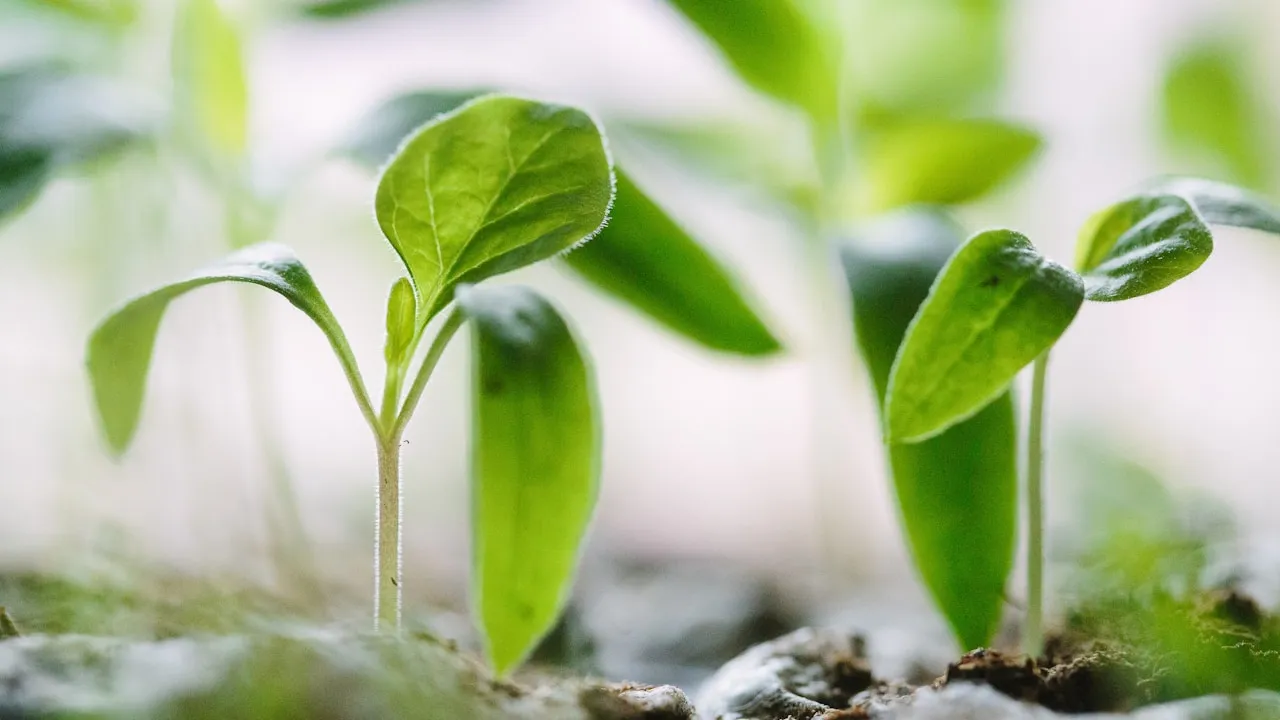
Utricularia graminifolia, commonly known as the grass-like bladderwort or dwarf baby tears, is an intriguing perennial aquatic herb highly prized for its ornamental appeal in freshwater aquariums and terrariums.
Most thin plant articles flatten everything into a summary. This guide does the opposite by following Utricularia Graminifolia through identification, care, handling, and the questions that real readers actually ask.
The linked plant page remains the main internal reference point for this article, but the goal here is to turn that raw data into a readable, structured, and genuinely useful guide.
- Utricularia graminifolia, or Grass-leaved Bladderwort, is a carnivorous perennial aquatic herb native to North America, South America, and.
- Primarily valued for its ornamental qualities, it forms dense, grass-like carpets in aquariums and terrariums.
- It features unique bladders for capturing tiny aquatic organisms, thriving in nutrient-poor, acidic freshwater conditions.
- Traditionally, other Utricularia species have been explored for potential diuretic, expectorant, and anti-inflammatory properties, but.
- Cultivation is relatively easy in appropriate aquatic setups, requiring moderate to high light and soft, acidic water.
- Considered safe for ornamental use, but human internal medicinal use lacks scientific validation and specific safety data.
02Utricularia Graminifolia Botanical Profile
Utricularia Graminifolia should be anchored to the correct taxonomic identity before any discussion of care, use, or safety begins.
| Common name | Utricularia Graminifolia |
|---|---|
| Scientific name | Utricularia graminifoliaW |
| Family | Lentibulariaceae |
| Order | Lentibulariales |
| Genus | Utricularia |
| Species epithet | graminifolia |
| Author citation | Vahl |
| Synonyms | Utricularia graminifolia T. J. Macfarl., Utricularia graminifolia Vahl |
| Common names | ঘাসজাতীয় ব্লাডারওয়াট, Grass-leaved bladderwort |
| Origin | Africa, Asia, Australia |
| Life cycle | Perennial |
| Growth habit | Herb |
Using the accepted scientific name Utricularia graminifolia helps readers avoid confusion caused by old synonyms, loose common names, or inconsistent plant labels.
Family and order placement also matter because they explain recurring structural traits, likely relatives, and the kinds of mistakes readers often make when they rely on appearance alone.
Correct naming is not a small detail. A plant can collect multiple common names, outdated synonyms, and marketing labels over time, so using Utricularia graminifolia consistently reduces the risk of confusion, bad care advice, and even safety mistakes.
03What Utricularia Graminifolia Looks Like
A practical reading of the plant starts with visible structure: Stem: The stems are slender, filiform, and highly branched, forming a network of rhizoids and stolons that anchor the plant and spread horizontally. They. Bark: Not applicable — herbaceous species
Microscopic or internal identification notes deepen the picture, especially for processed material: Specialized glandular trichomes are present on the inner surfaces of the carnivorous bladders, playing a crucial role in nutrient absorption after. Stomata are generally absent or highly reduced on submerged leaves and stems of Utricularia graminifolia, consistent with its aquatic adaptation. Powdered material would likely reveal fragments of bladder traps with their characteristic glandular cells, epidermal cells from submerged stems and.
In overall habit, the plant is described as Herb with a mature height around 5-20 cm and spread of variable width depending on site.
In real-world identification, the most helpful approach is to read the plant as a whole. Habit, size, stem texture, leaf arrangement, flower form, and any distinctive surface detail all matter. For Utricularia Graminifolia, morphology is not only a descriptive topic; it is the foundation of correct recognition.
04Utricularia Graminifolia: Habitat & Distribution
The native or historically recorded center of distribution for Utricularia Graminifolia is Africa, Asia, Australia. That origin is more than background trivia; it explains how the plant responds to heat, moisture, shade, and seasonal change.
The plant is associated with the following countries or range markers: North America, South America, Southeast Asia.
Environmental notes in the live record add more context: Utricularia graminifolia thrives in warm, humid environments typical of subtropical and tropical regions. It prefers soft, acidic water with a pH of around 4.0 to 6.0 and excels in environments with good light, although it can tolerate lower light levels. High humidity is crucial for healthy growth, particularly in indoor environments. Typically grows in.
In cultivation terms, the main ecological clues are: 10-11; Perennial; Herb.
Physiology data reinforce the habitat story: U. graminifolia is highly adapted to low-nutrient, acidic, and often anoxic aquatic conditions. Its carnivory is a key adaptation to nutrient. Utricularia graminifolia exhibits C3 photosynthesis, the most common photosynthetic pathway among plants, optimized for temperate and tropical. Transpiration in submerged parts of U. graminifolia is minimal to non-existent due to direct water contact. Significant water loss occurs only from.
05Cultural Significance of Utricularia Graminifolia
Even where detailed folklore is limited, Utricularia Graminifolia still carries cultural value through naming, cultivation, exchange, and the practical roles people assign to it.
Explore Our Platforms
 InfiniCore DataWorks
 Nex-Automata
Traditional context matters, but it should always be separated from modern certainty. Historical use can guide questions, yet it does not automatically prove present-day clinical effectiveness.
Cultural context gives the article depth that pure care instructions cannot provide. Plants like Utricularia Graminifolia are often remembered through naming traditions, household practice, healing systems, foodways, ornamental use, ritual value, or local ecological knowledge.
At the same time, cultural value should be handled responsibly. Traditional respect for a plant does not automatically prove every modern claim, and a modern study does not erase the meaning the plant has held in communities over time. Both sides belong in a careful guide.
That balance also helps readers avoid two common mistakes: dismissing traditional knowledge too quickly and accepting it too literally. A useful plant article does neither. It treats old records as meaningful context while still checking modern evidence and safety standards.
06Utricularia Graminifolia Health Benefits
The main benefit themes associated with the plant include:
- Diuretic Properties — Traditionally, Utricularia species have been utilized to stimulate urine production, aiding in the management of conditions like urinary.
- Expectorant Action — Some historical applications suggest expectorant qualities, potentially assisting in clearing mucus from the respiratory passages and.
- Anti-inflammatory Effects — Emerging research indicates the presence of bioactive compounds, particularly flavonoids and phenolic acids, that confer.
- Antioxidant Activity — The rich profile of phenolic compounds and carotenoids contributes to robust antioxidant activity, helping to combat oxidative stress.
- Neuroprotective Potential — Preliminary investigations and anecdotal accounts hint at possible neuroprotective effects, suggesting a future area of research.
- Wound Healing Support — Historically, topical applications of poultices made from Utricularia plants have been explored to accelerate the healing process of.
- Antimicrobial Action — While not extensively studied for U. graminifolia specifically, some Utricularia species exhibit mild antimicrobial properties, which.
- Detoxification Aid — By promoting diuresis and potentially flushing out metabolic waste, the plant is believed to support the body's natural detoxification.
The evidence matrix gives a more careful picture of those claims: Diuretic and Expectorant Effects. Anecdotal reports, folk medicine practices for Utricularia species. Traditional Use / Ethnobotanical. Attributed to general Utricularia species; specific mechanisms in U. graminifolia are not yet elucidated by modern research. Anti-inflammatory and Antioxidant Activity. Phytochemical screening, cell culture assays for compound activity. Emerging Research / In vitro. Linked to the presence of flavonoids and phenolic acids; requires in vivo and clinical trials for validation. Wound Healing Capabilities. Ethnobotanical reports of topical application. Anecdotal / Traditional Topical Use. Topical application of plant poultices has been reported; scientific validation for U. graminifolia is absent.
The stored evidence confidence for this profile is traditional. That should shape how strongly any benefit statement is interpreted.
For non-medicinal or mostly ornamental contexts, the safest approach is to keep the claims modest. A plant may still be valuable ecologically, visually, or culturally without being promoted as a treatment.
- Diuretic Properties — Traditionally, Utricularia species have been utilized to stimulate urine production, aiding in the management of conditions like urinary.
- Expectorant Action — Some historical applications suggest expectorant qualities, potentially assisting in clearing mucus from the respiratory passages and.
- Anti-inflammatory Effects — Emerging research indicates the presence of bioactive compounds, particularly flavonoids and phenolic acids, that confer.
- Antioxidant Activity — The rich profile of phenolic compounds and carotenoids contributes to robust antioxidant activity, helping to combat oxidative stress.
- Neuroprotective Potential — Preliminary investigations and anecdotal accounts hint at possible neuroprotective effects, suggesting a future area of research.
- Wound Healing Support — Historically, topical applications of poultices made from Utricularia plants have been explored to accelerate the healing process of.
- Antimicrobial Action — While not extensively studied for U. graminifolia specifically, some Utricularia species exhibit mild antimicrobial properties, which.
- Detoxification Aid — By promoting diuresis and potentially flushing out metabolic waste, the plant is believed to support the body's natural detoxification.
- Respiratory Health — Its purported expectorant qualities may offer supportive benefits for overall respiratory system health, particularly in congested states.
07Active Compounds in Utricularia Graminifolia
- The broader constituent profile includes Flavonoids — Key compounds include quercetin and kaempferol, known for their potent antioxidant, anti-inflammatory.
- Phenolic Acids — Such as caffeic acid and ferulic acid, which bolster the plant's antioxidant capacity and exhibit.
- Terpenoids — Various iridoid glycosides are present, believed to be responsible for some of the plant's diuretic.
- Alkaloids — Although less studied in U. graminifolia, alkaloids are found in other Utricularia species and may.
- Carotenoids — These pigments contribute to the plant's vibrant coloration and act as powerful antioxidants, supporting.
- Enzymes — Specific enzymes within the plant's unique bladders primarily function in prey capture and digestion, but.
- Amino Acids — Essential and non-essential amino acids are present, supporting the plant's metabolic functions and.
- Organic Acids — A variety of organic acids are typically found in plants, playing roles in metabolism, nutrient.
- Polysaccharides — Complex carbohydrates may be present, contributing to structural integrity and potentially.
The detailed phytochemistry file adds these markers: Quercetin, Flavonoid, Whole plant, Not specifiedmg/g dry weight; Kaempferol, Flavonoid, Whole plant, Not specifiedmg/g dry weight; Caffeic Acid, Phenolic Acid, Whole plant, Not specifiedmg/g dry weight; Ferulic Acid, Phenolic Acid, Whole plant, Not specifiedmg/g dry weight; Iridoid Glycosides (e.g., Aucubin-like), Terpenoid, Whole plant, Not specifiedmg/g dry weight; Carotenoids, Pigment, Leaves, Not specifiedmg/g dry weight.
Compound profiles also shift with plant part, age, season, processing, and storage. The chemistry of a fresh leaf, dried root, or concentrated extract should never be treated as automatically identical.
08Utricularia Graminifolia Preparations & Dosage
Recorded preparation and use methods include:
- Ornamental Aquarium Plant — Primarily cultivated as an aesthetic carpeting plant in freshwater aquariums, where it forms lush green foregrounds.
- Terrarium Specimen — Can be grown in high-humidity terrariums or paludariums, often emersed or partially submerged, for its unique botanical appeal.
- Theoretical Diuretic Infusion — Based on traditional use of Utricularia species, a theoretical infusion (tea) could be prepared for diuretic effects, though specific U. Topical Poultice (Traditional) — Anecdotal evidence suggests traditional application of crushed plant material as a poultice for minor skin abrasions or sores, but this practice.
- Extract for Research — Extracts could be prepared using various solvents (e.g., ethanol, water) for phytochemical analysis and in vitro studies to investigate its purported.
- Homeopathic Preparations — In some systems, highly diluted homeopathic preparations of Utricularia species exist, though their efficacy is based on specific homeopathic principles.
- Bioactive Compound Isolation — For scientific research, specific chemical constituents like flavonoids or iridoids can be isolated from the plant for detailed pharmacological. NOTE: There is no established traditional medicinal use for Utricularia graminifolia specifically. Any internal use should be approached with extreme caution and under the strict.
Edibility and processing notes matter here as well: Not edible.
For indoor readers, “how to use” usually means how the plant is placed, styled, handled, propagated, and maintained within the living space rather than how it is taken internally.
- Identify the exact species and plant part first.
- Match the preparation to the intended use.
- Check safety, interactions, and processing details before routine use or large-scale handling.
09Is Utricularia Graminifolia Safe? Precautions & Cautions
The first safety note is direct: Non-toxic
Specific warnings recorded for this plant include:
- Non-Toxic for Ornamental Purposes — Utricularia graminifolia is recognized as non-toxic for its primary use as an aquatic ornamental plant and is safe for.
- Medical Consultation Advised — Due to the lack of specific human clinical data, consultation with a qualified healthcare provider is strongly recommended.
- Pregnancy and Lactation Caution — Insufficient safety data exists for pregnant or lactating individuals; therefore, medicinal use is contraindicated during these periods.
- Potential Drug Interactions — Individuals on prescription medications, especially diuretics, anti-inflammatories, or blood pressure regulators, should avoid.
- Allergic Sensitivities — People with known plant allergies should exercise caution due to the potential for hypersensitivity reactions.
- Quality and Sourcing — If considering any form of medicinal preparation, ensure the plant material is sourced from reputable, contaminant-free environments.
- Not for Self-Medication — This plant should not be used for self-medication due to the limited scientific validation of its medicinal claims and unknown.
- Generally Safe for Ornamental Use — Utricularia graminifolia is widely considered safe for use in home aquariums and terrariums, posing no known toxicity to.
- Potential Diuretic Overuse — If theoretically used internally for its diuretic properties, excessive consumption could lead to electrolyte imbalances.
Quality-control notes add another warning: The risk of adulteration for medicinal purposes is relatively low due to its niche ornamental use, but misidentification with other Utricularia species is a possibility if.
No plant should be described as universally safe. Identity, dose, plant part, preparation style, age, pregnancy status, medication use, allergies, and contamination risk all change the answer.
10Growing Utricularia Graminifolia Successfully
The cultivation record emphasizes these practical steps:
- Submerged Growth — Best cultivated fully submerged in an aquarium or paludarium to mimic its natural aquatic habitat.
- Lighting Requirements — Requires moderate to high lighting (2-3 watts per gallon is ideal) for vigorous growth and dense carpeting.
- Substrate Preference — Thrives in a nutrient-poor, inert substrate like sand or fine gravel; avoids rich substrates which can promote algae.
- Water Parameters — Prefers soft, acidic water with a pH of 6.0-7.0 and temperatures between 20-28°C (68-82°F). CO2 Supplementation — Benefits significantly from CO2 injection to encourage faster growth and denser mat formation.
- Nutrient Management — Minimal fertilization is needed; relies on its carnivorous bladders for supplemental nutrients from aquatic microorganisms.
The broader growth environment is described like this: Utricularia graminifolia thrives in warm, humid environments typical of subtropical and tropical regions. It prefers soft, acidic water with a pH of around 4.0 to 6.0 and excels in environments with good light, although it can tolerate lower light levels. High humidity is crucial for healthy growth, particularly in indoor environments. Typically grows in.
Planning becomes easier when these traits are kept in view: Herb; 5-20 cm.
In practice, healthy cultivation comes from systems thinking rather than one-off tricks. Site choice, drainage, timing, spacing, pruning, feeding, and observation all reinforce one another.
11Utricularia Graminifolia: Light, Water & Soil Needs
The most useful care snapshot is this: USDA zone: 10-11.
Indoors, the plant responds to microclimate more than many people expect. Window direction, airflow, heating, and room humidity can change the care rhythm quickly.
| USDA zone | 10-11 |
|---|
Light, water, and soil should never be treated as separate checkboxes. A plant in stronger light often dries faster, soil texture changes how quickly water moves, and temperature plus humidity influence how stress appears in leaves and roots.
For Utricularia Graminifolia, the safest care approach is to treat the light pattern described in the plant profile, watering that responds to season and drainage, and well-matched soil structure and drainage as linked decisions rather than isolated tips. If one condition shifts, the other two usually need to be reconsidered as well.
Microclimate matters too. Indoors, room placement and airflow can matter as much as window exposure. Outdoors, reflected heat, slope, mulch, and nearby plants can change how the temperature rhythm described for the species and humidity that matches the plant type are actually experienced at plant level.
12Utricularia Graminifolia Propagation Methods
Propagation works best when the parent stock is healthy, correctly identified, and handled in the right season. That sounds obvious, but it is exactly where many failures begin.
Propagation works best when the reader matches method to biology. Some plants respond readily to cuttings, some to division, some to seed, and others require more patience or more exact seasonal timing.
A successful propagation guide therefore starts with healthy parent material and realistic expectations. Weak stock, rushed handling, and poor aftercare can make even a technically correct method fail.
For Utricularia Graminifolia, the real goal is not simply to produce another plant, but to produce a correctly identified, vigorous, well-established plant that continues growing without hidden stress from the first stage.
13Managing Utricularia Graminifolia Problems
Indoor problems usually start quietly: mites, mealybugs, scale, root stress, weak light, or stale soil structure. Routine inspection is what keeps small issues from becoming full infestations.
The smartest response sequence is observation first, environmental correction second, and treatment only after the real pattern is clear.
Pest and disease management is strongest when it begins before visible damage becomes severe. Routine observation, clean handling, sensible spacing, air movement, and balanced watering reduce many problems before treatment is even needed.
When symptoms do appear on Utricularia Graminifolia, the most reliable response is diagnostic rather than reactive. Yellowing, spots, wilt, chewing, and stunting can all have multiple causes, so a rushed treatment can waste time or worsen the problem.
Good troubleshooting also includes environmental correction. Pests and disease often reveal a deeper issue such as root stress, poor airflow, inconsistent watering, weak light, or exhausted soil structure.
14How to Harvest Utricularia Graminifolia
Storage guidance from the quality-control record reads as follows: Dried plant material should be stored in cool, dark, and dry conditions to preserve bioactive constituents. Aqueous extracts have limited stability and are best prepared fresh.
For indoor plants, this section often translates into trimming, leaf cleanup, offset collection, occasional flower removal, and safe handling of spent growth.
Whatever the purpose, the rule is the same: harvest clean material, label it clearly, and store it in a way that preserves identity and condition.
Harvest and storage determine whether a plant's quality is preserved after it leaves the bed, pot, field, or wild source. Clean timing, correct plant part selection, and careful drying or handling all matter more than many readers expect.
For Utricularia Graminifolia, this means the reader should think beyond collection. Material that is poorly labeled, overheated, damp in storage, or mixed with the wrong part of the plant can quickly lose value or create confusion later.
15Utricularia Graminifolia in Garden Design
In indoor styling, Utricularia Graminifolia usually works best beside plants that share similar moisture expectations but offer contrast in texture, height, or silhouette.
Companion planting and design are not only aesthetic decisions. They affect airflow, root competition, moisture sharing, harvest access, visibility, and the general logic of the planting scheme.
With Utricularia Graminifolia, good placement means thinking about mature size, maintenance rhythm, and how neighboring plants change the feel and function of the space. A plant can be healthy on its own and still be poorly placed within the broader composition.
That is why the best design advice combines biology with usability. The planting should look coherent, but it should also make watering, pruning, harvest, and pest observation easier rather than harder.
16Research on Utricularia Graminifolia
The evidence matrix points to several recurring themes: Diuretic and Expectorant Effects. Anecdotal reports, folk medicine practices for Utricularia species. Traditional Use / Ethnobotanical. Attributed to general Utricularia species; specific mechanisms in U. graminifolia are not yet elucidated by modern research. Anti-inflammatory and Antioxidant Activity. Phytochemical screening, cell culture assays for compound activity. Emerging Research / In vitro. Linked to the presence of flavonoids and phenolic acids; requires in vivo and clinical trials for validation. Wound Healing Capabilities. Ethnobotanical reports of topical application. Anecdotal / Traditional Topical Use. Topical application of plant poultices has been reported; scientific validation for U. graminifolia is absent.
Analytical testing notes also strengthen the evidence base: Authentication typically relies on macroscopic and microscopic identification. For phytochemical analysis, HPLC or GC-MS could be employed to quantify potential marker compounds.
A careful evidence section should say what is known, what is plausible, and what remains uncertain. Readers are better served by clear limits than by exaggerated confidence.
Evidence note: this section blends the live plant record, local ethnobotanical activity data, chemistry records, and the linked Flora Medical Global plant profile for Utricularia Graminifolia.
17Buying Utricularia Graminifolia: Expert Tips
Quality markers worth checking include Specific marker compounds for quality control of Utricularia graminifolia are not officially established, but flavonoids like quercetin or specific iridoid glycosides could serve.
Adulteration and substitution risk should not be ignored: The risk of adulteration for medicinal purposes is relatively low due to its niche ornamental use, but misidentification with other Utricularia species is a possibility if.
When buying Utricularia Graminifolia, start with verified botanical identity. The label, scientific name, and the source page should agree before you judge price, size, or claimed benefits.
For living plants, inspect roots, stem firmness, foliage health, and early pest signs. For dried or processed material, look for batch clarity, clean aroma, absence of mold, and any sign that the product has been over-processed to disguise poor quality.
18Utricularia Graminifolia: Frequently Asked Questions
What is Utricularia Graminifolia best known for?
Utricularia graminifolia, commonly known as the grass-like bladderwort or dwarf baby tears, is an intriguing perennial aquatic herb highly prized for its ornamental appeal in freshwater aquariums and terrariums.
Is Utricularia Graminifolia beginner-friendly?
That depends on the growing environment and the intended use. Some plants are easy to grow but not simple to use medicinally, while others are the opposite.
How much light does Utricularia Graminifolia need?
Match the species to the exposure described in the guide rather than using a generic light rule.
How often should Utricularia Graminifolia be watered?
Water according to soil, drainage, season, and plant response rather than a fixed schedule.
Can Utricularia Graminifolia be propagated at home?
Yes, but the best method depends on whether the species responds best to seed, cuttings, division, offsets, or other propagation routes.
Does Utricularia Graminifolia have safety concerns?
Non-toxic
What is the biggest mistake people make with Utricularia Graminifolia?
The most common mistake is applying generic advice instead of matching the plant to its real environment, identity, and limits.
Where can I verify more information about Utricularia Graminifolia?
Start with the Flora Medical Global plant profile: https://www.floramedicalglobal.com/indoor-plants/utricularia-graminifolia
Why do sources sometimes disagree about Utricularia Graminifolia?
Different references may use different synonyms, plant parts, cultivation conditions, or evidence standards. That is why taxonomy and source quality both matter.
19Utricularia Graminifolia: References & Further Reading
Authoritative sources and related guides:
- Wikipedia — background reference
- PubMed — peer-reviewed studies
- Kew POWO — botanical reference
- NCBI PMC — open-access research
- WHO — global health authority
Related on Flora Medical Global
Reviewed by the Flora Medical Global Botanical Review Panel
Multi-disciplinary editorial group · Botany · Ethnobotany · Herbal-medicine literature
Who reviewed this: This page was checked by the Flora Medical Global Botanical Review Panel — an in-house editorial group of botany graduates, ethnobotany researchers, and horticulture practitioners who collectively maintain our 7,000+ plant encyclopedia. Meet the team.
Our 4-step verification process
1. Taxonomic verification
Scientific names and synonyms cross-checked against Kew POWO, World Flora Online, and The Plant List.
2. Phytochemical & medicinal cross-reference
Active compounds, traditional uses, and reported activities are cross-referenced with PubMed, USDA Dr. Duke's database, and peer-reviewed ethnobotanical literature.
3. Conservation & distribution check
Distribution, ecology, and conservation status confirmed against GBIF occurrence records and the IUCN Red List.
4. Editorial & safety review
Every entry passes an editorial pass for clarity, originality, and safety notices (toxicity, contraindications, dosage caveats) before publication.
Last reviewed:
Explore Our Platforms
Comments (0)
No comments yet. Be the first!